
Biophilic design is gaining increasing attention in interior spaces, as more people recognize its ability to transform environments by connecting them to the natural world. The growing trend of incorporating natural elements into indoor spaces is not just about aesthetic appeal but also about enhancing well-being, productivity, and overall quality of life. In this article, we will explore biophilic design trends, the benefits they bring, and how they can be seamlessly integrated into modern interiors.
What is Biophilic Design?
Biophilic design is an innovative approach to interior design that seeks to bring the natural world into built environments. This design philosophy is based on the concept of biophilia, the innate human affinity for nature. By incorporating natural elements such as plants, natural light, water features, and organic materials, biophilic design aims to create spaces that foster a connection to the outdoors and promote physical and emotional well-being.
Key Elements of Biophilic Design
To effectively implement biophilic design, several core elements are commonly integrated into spaces. These elements help bridge the gap between the natural and built environments, creating an atmosphere that feels both refreshing and calming.
Natural Light
Natural light is one of the most important aspects of biophilic design. It not only illuminates a space but also influences the body’s circadian rhythm, improving mood and sleep patterns. Maximizing access to daylight through large windows, skylights, or light wells can make an interior feel more open and airy.
Plants and Greenery
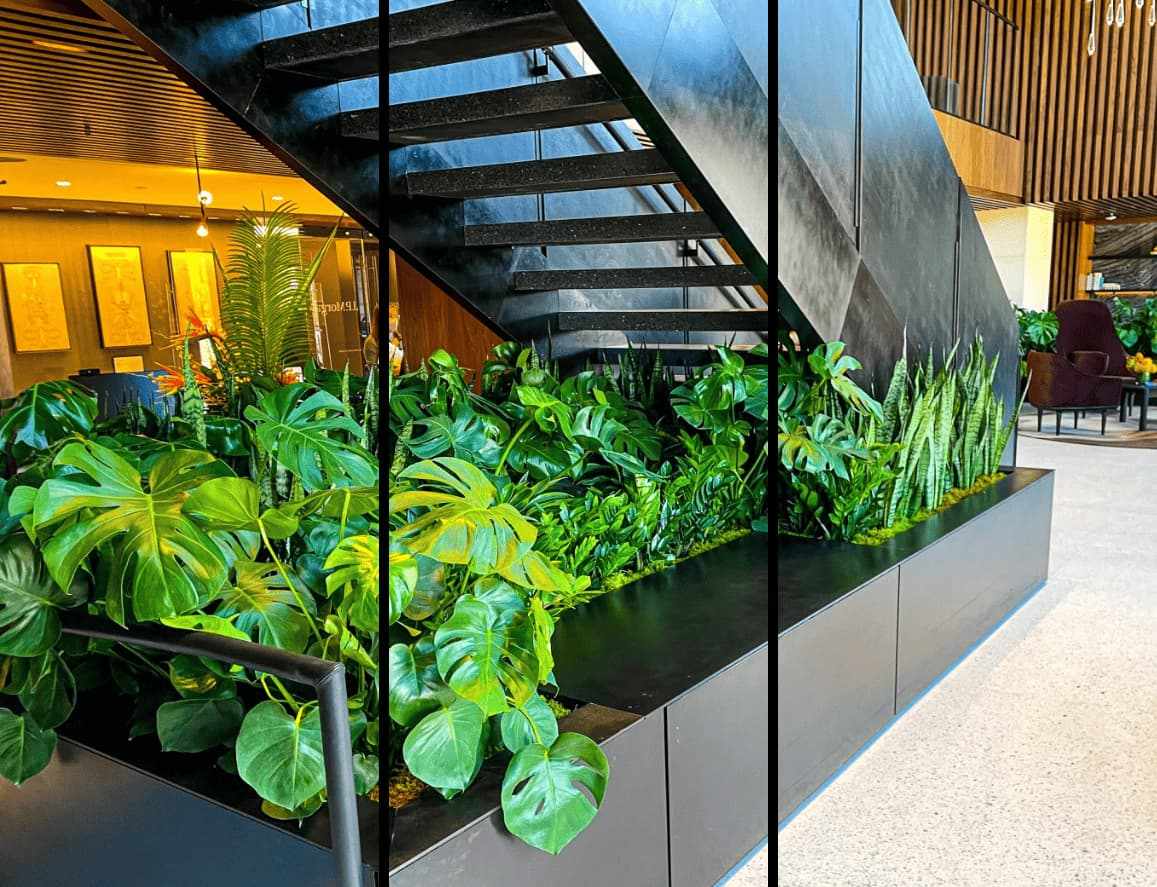
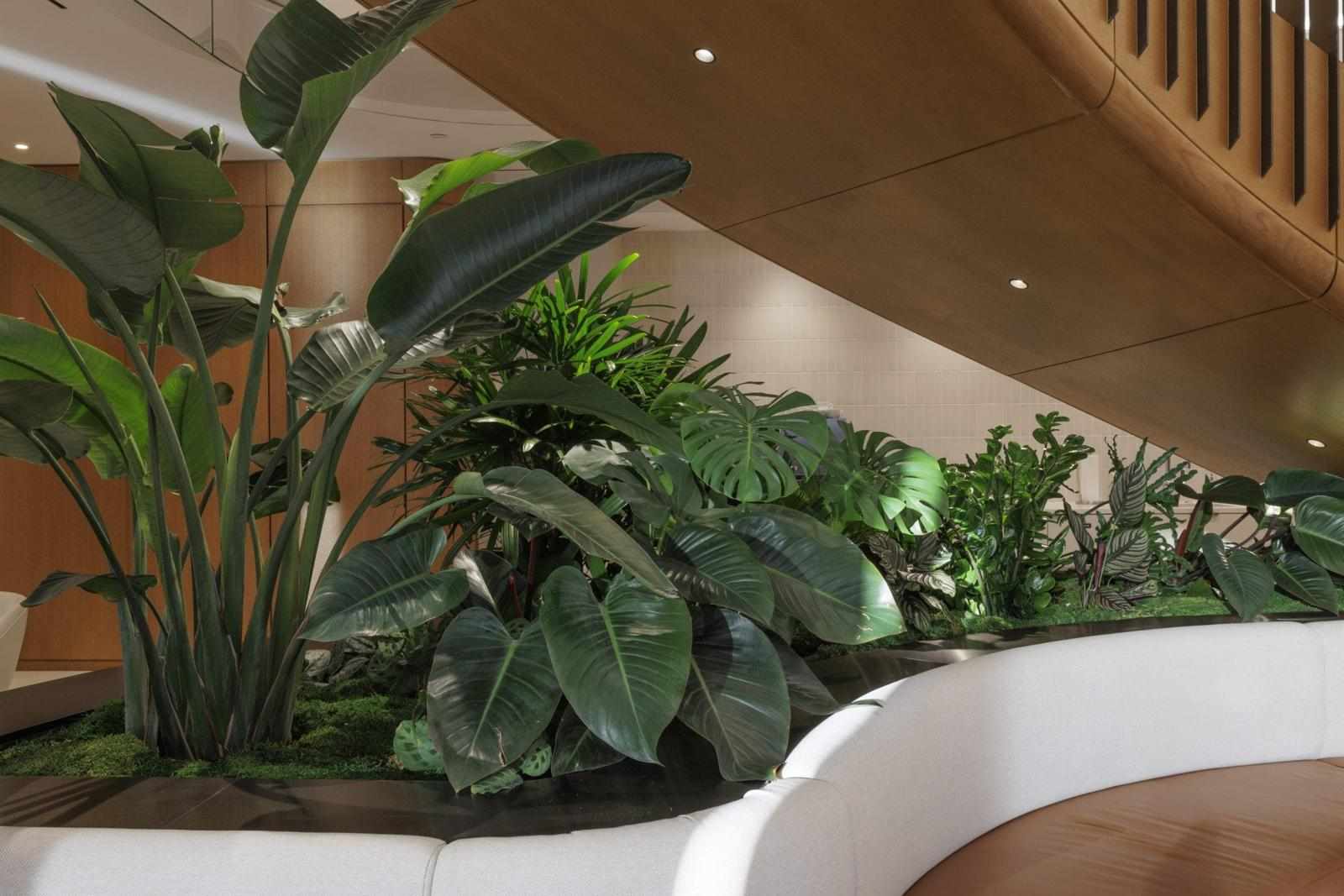
Plants play a central role in biophilic design. They add color, texture, and life to indoor spaces, and their presence has been shown to improve air quality and reduce stress levels. Indoor plants, such as ferns, succulents, and flowering plants, can be strategically placed to create lush, vibrant environments that enhance both the aesthetic and the atmosphere of a space.
Water Features
Water features, such as fountains, waterfalls, and aquariums, introduce the calming sound of flowing water into an interior. This auditory connection to nature can evoke feelings of tranquility and relaxation. Water features also add a visual appeal, bringing dynamic movement and reflecting light in unique ways.
Natural Materials
Incorporating natural materials like wood, stone, and bamboo can help create a tactile connection to the earth. These materials not only bring warmth and texture to a space but also improve the overall sensory experience. The use of natural materials is key to establishing a grounded, organic feel within an indoor environment.
Views of Nature
If possible, designing spaces with views of outdoor landscapes or incorporating elements like green walls or vertical gardens helps create a seamless connection between the inside and outside. Even the simple addition of framed views of natural surroundings can enhance the sense of openness and reduce feelings of confinement.
Benefits of Biophilic Design
Biophilic design is not only visually appealing but also offers numerous benefits that positively impact both mental and physical health. As people spend increasing amounts of time indoors, the desire to create environments that nurture well-being has become a significant focus in design.
Improved Well-being and Stress Reduction
Numerous studies have shown that exposure to nature, even in indoor spaces, helps lower stress levels and improve emotional health. Incorporating biophilic elements into an interior can promote relaxation, reduce anxiety, and create an environment that fosters calmness. Greenery and natural light are particularly effective at enhancing mood and reducing feelings of stress and fatigue.
Increased Productivity and Creativity
Biophilic design has been shown to boost productivity and creativity in work environments. People who work in spaces with natural elements report higher levels of focus, energy, and creativity. By stimulating a connection to nature, biophilic design helps create an environment that promotes cognitive function and enhances performance.
Better Air Quality and Health Benefits
Plants play an essential role in improving air quality by absorbing carbon dioxide and releasing oxygen. This natural filtration process creates a healthier indoor environment and can help reduce symptoms related to poor air quality, such as headaches, eye strain, and fatigue. Additionally, biophilic design often encourages the use of non-toxic, eco-friendly materials that contribute to healthier living spaces.
Enhanced Social Interaction
Biophilic design can also foster stronger social interactions within communal spaces. By creating inviting, comfortable environments that reflect natural beauty, people are more likely to engage with one another. Whether it’s a shared workspace, a living room, or a community center, the inclusion of natural elements can make spaces feel more welcoming and encourage collaboration.
Popular Biophilic Design Trends
As the biophilic design movement continues to grow, various trends have emerged that highlight the creative ways in which nature can be brought indoors. These trends focus on innovative approaches to integrating natural elements into modern interiors.
Vertical Gardens and Green Walls
Vertical gardens, also known as green walls, are becoming increasingly popular in both residential and commercial spaces. These living walls are made up of plants that are grown vertically, often on structures like panels or grids. Green walls not only add visual interest but also help purify the air and create a calming atmosphere. They are ideal for spaces where floor space is limited but a desire for greenery remains strong.
Indoor Plant Displays
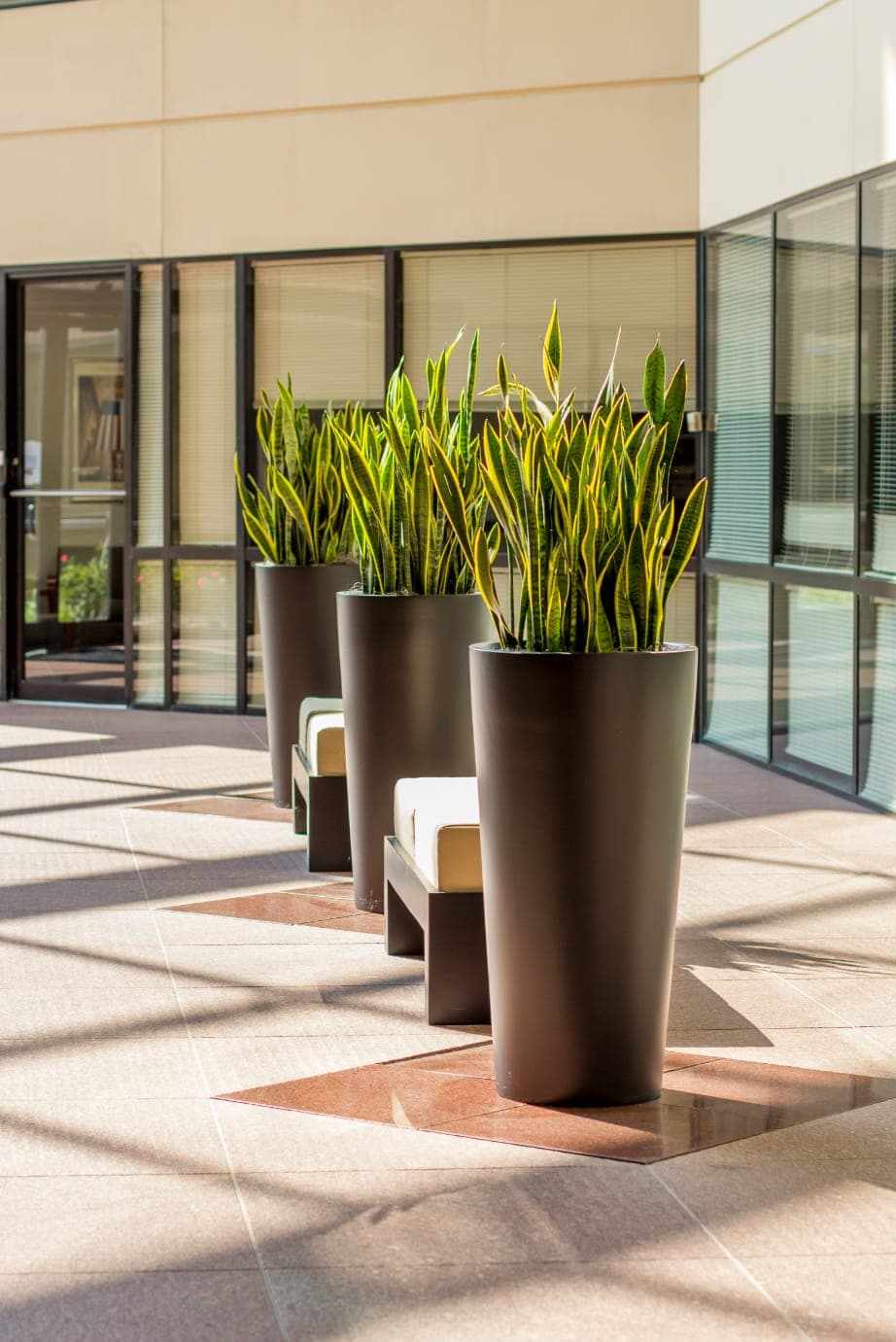
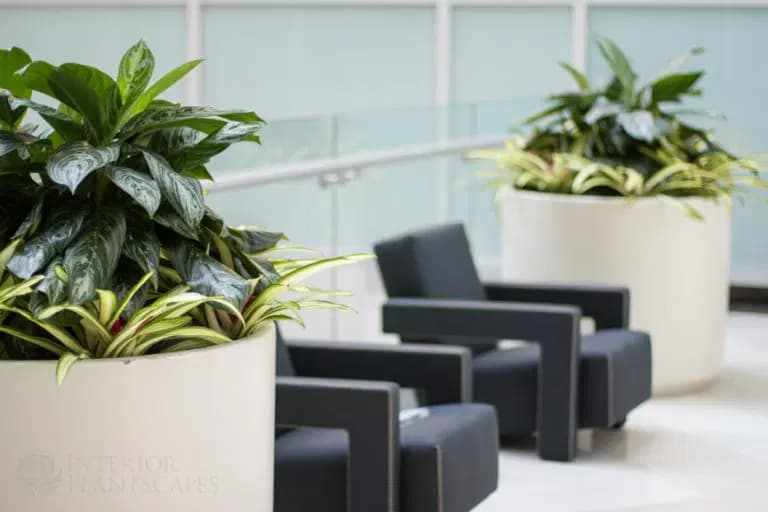
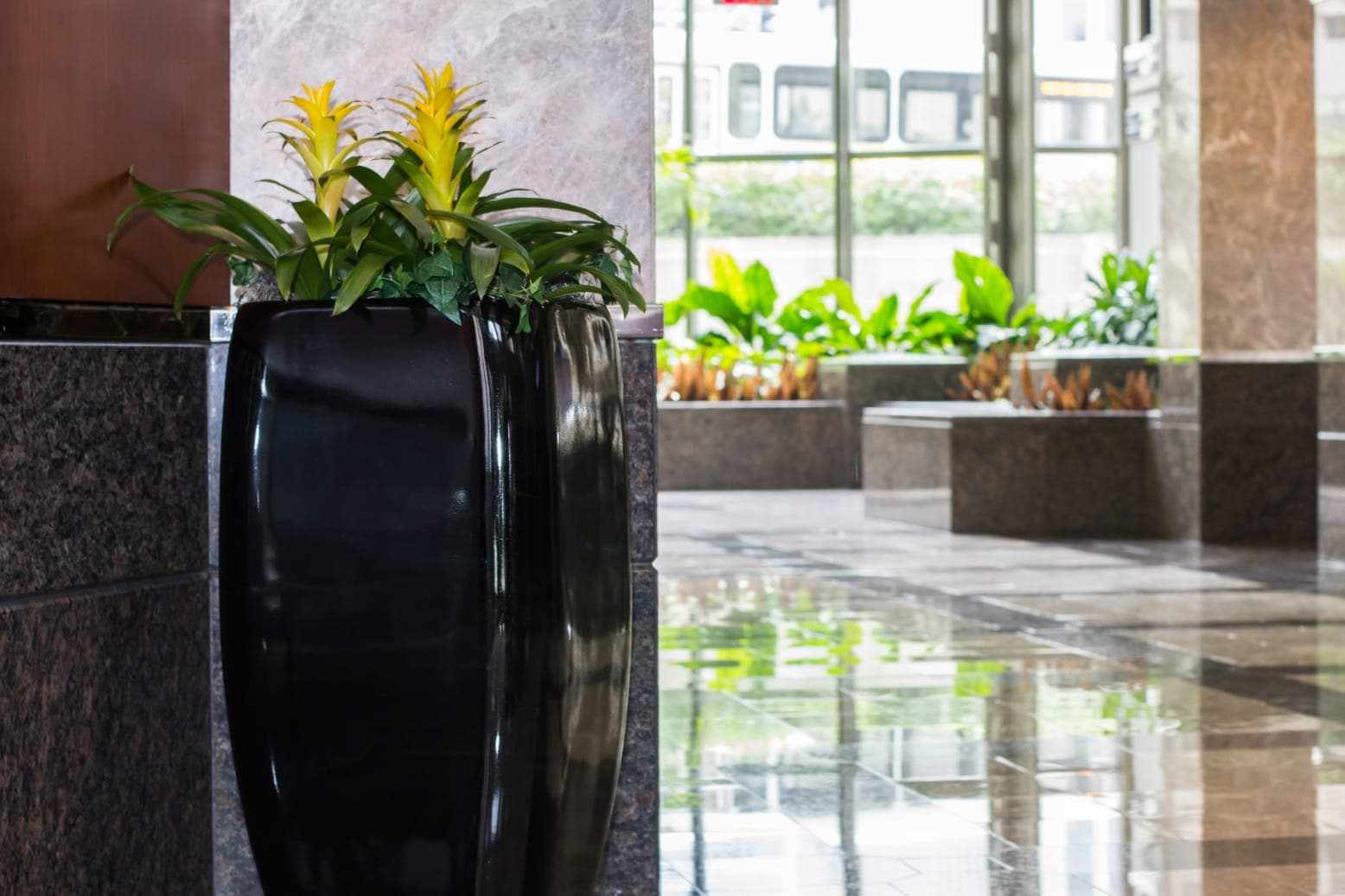
The use of indoor plants is perhaps the most straightforward way to embrace biophilic design. However, designers are getting more creative with how plants are displayed. From cascading vines in hanging planters to large statement plants in decorative pots, plants are being used as focal points in interior design. This trend emphasizes the role of greenery as a decorative element that enhances the beauty of a space while improving its atmosphere.
Use of Organic Shapes and Curves
In biophilic design, there is a noticeable shift towards incorporating organic, flowing shapes and curves into the architecture and furniture. These forms mimic the natural world and help create a sense of harmony and balance. From rounded furniture pieces to undulating walls and ceilings, this trend encourages the use of softer, more fluid lines rather than rigid, boxy structures.
Nature-Inspired Color Palettes
Color plays a significant role in biophilic design. Designers are embracing nature-inspired color palettes that include earthy tones like greens, browns, and beiges, as well as muted blues and soft whites that reflect natural elements. These colors create an atmosphere that feels calming, grounded, and connected to nature.
Eco-Friendly and Sustainable Design
As sustainability becomes a growing concern, biophilic design is increasingly focused on using eco-friendly materials and energy-efficient solutions. From reclaimed wood and bamboo to low-VOC paints and energy-saving lighting, this trend emphasizes the importance of designing with the environment in mind. The goal is to create spaces that are not only beautiful but also sustainable and responsible.
How to Incorporate Biophilic Design into Your Home or Office
Implementing biophilic design in your own space doesn’t have to be complicated. There are simple ways to bring elements of nature indoors, no matter the size or function of the space.
Add More Plants
One of the easiest ways to start incorporating biophilic design is by adding more plants. From small potted plants to larger indoor trees, the possibilities are endless. Choose plants that thrive in your indoor environment and arrange them strategically to create visual interest. Consider plant varieties that are easy to care for, such as succulents, snake plants, or pothos.
Maximize Natural Light
If possible, maximize the amount of natural light that enters your space. This can be done by using sheer curtains that allow light to filter through or by placing mirrors to reflect light into darker corners. If you don’t have access to large windows, consider installing skylights or light tubes to bring more daylight into the interior.
Integrate Water Features
Water features, such as a small tabletop fountain or a decorative fish tank, can be an excellent addition to any room. The sound of running water can help create a peaceful, meditative atmosphere that encourages relaxation and focus.
Use Natural Materials
Incorporating natural materials such as wood, stone, or bamboo into your furniture, flooring, or wall finishes helps bring the outdoors in. These materials add warmth and texture, creating a more inviting and comfortable atmosphere.
Conclusion
Biophilic design is a powerful tool for creating environments that nurture both the mind and the body. By integrating elements of nature, such as plants, natural light, and water features, biophilic design not only enhances the aesthetic appeal of a space but also improves well-being, productivity, and health. As this trend continues to grow, it is clear that nature indoors is no longer just a luxury but a necessity for modern living.
For those looking to bring the calming influence of nature into their own spaces, working with a professional interior plantscape designer can help turn these ideas into reality. Interior Plantscapes can guide you in creating an environment that enhances the natural beauty of your space while promoting a healthier, more productive atmosphere.




Write a comment ...