
Creating a home that feels calm, balanced, and alive is a goal many people share. Interior landscapes offer a powerful way to achieve this by blending nature with interior design. By thoughtfully incorporating plants, natural textures, and organic layouts, living spaces can be transformed into restorative environments that support both physical comfort and emotional well being. Interior landscapes are not just decorative features. They represent a lifestyle choice that values harmony between people and nature.
Understanding Interior Landscapes
Interior landscapes refer to the intentional design and placement of living plants and nature inspired elements within indoor spaces. Unlike simple houseplant decoration, this approach considers scale, layout, lighting, and the relationship between greenery and architecture.
The Philosophy Behind Interior Landscapes
The idea behind interior landscapes is rooted in the human connection to nature. People naturally respond positively to green environments. Indoor greenery reflects outdoor ecosystems and brings a sense of balance into modern homes that are often dominated by artificial materials and technology.
Interior Landscapes Versus Basic Indoor Plants
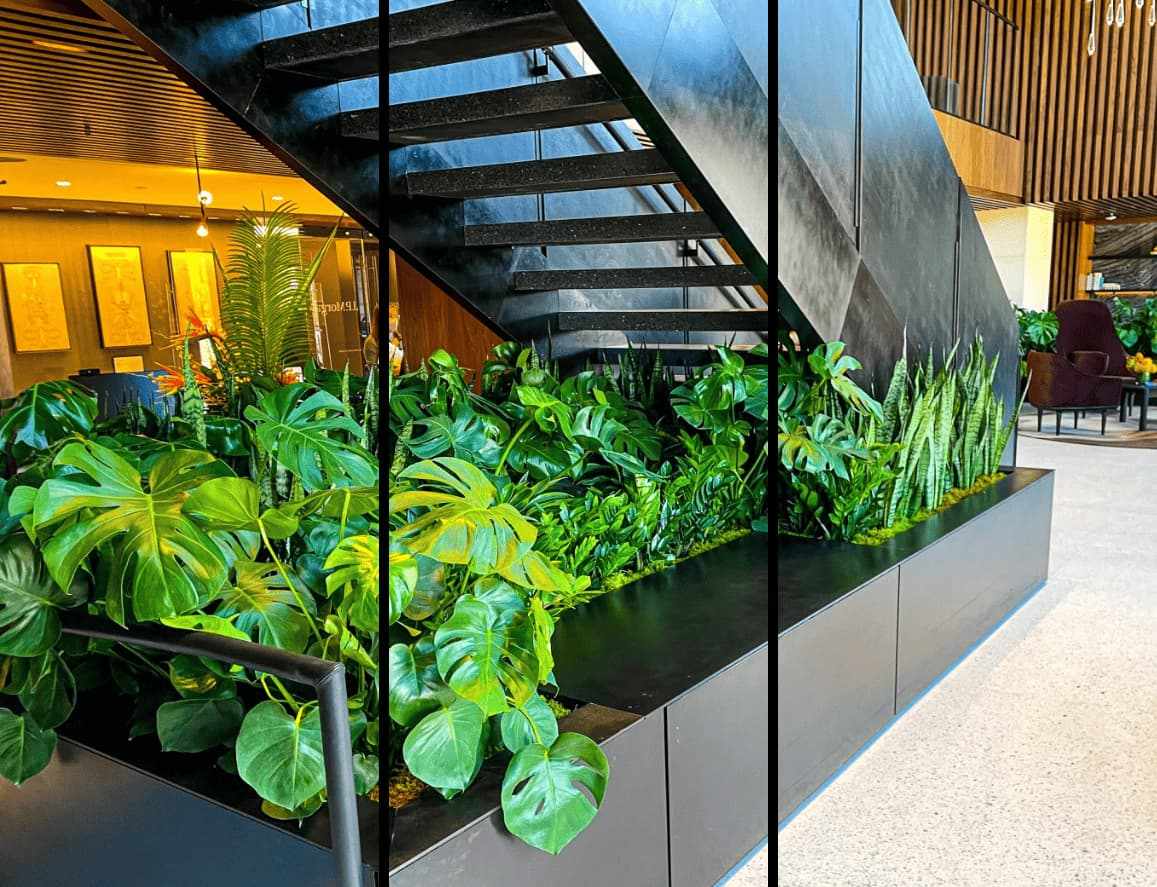
While placing a few plants around a room adds charm, interior landscapes go further. They involve creating a cohesive green environment where plants act as structural and visual elements. This may include plant groupings, vertical greenery, and the use of natural materials to support a unified design vision.
Benefits of Creating Interior Landscapes at Home
Interior landscapes offer advantages that go far beyond aesthetics. They improve daily living in subtle yet meaningful ways.
Enhancing Indoor Air Quality
Plants play a valuable role in improving indoor air by absorbing carbon dioxide and releasing oxygen. Many indoor plants also help reduce airborne pollutants. An interior landscape that includes a variety of plant species can contribute to fresher and cleaner air throughout the home.
Supporting Mental and Emotional Health
Green environments are known to reduce stress and promote relaxation. Interior landscapes create visual softness and a calming atmosphere that helps people unwind after busy days. The presence of living plants can improve mood, focus, and overall emotional balance.
Adding Natural Beauty and Visual Interest
Interior landscapes introduce color, texture, and movement into living spaces. Leaves, stems, and natural forms break up rigid lines and create a more inviting aesthetic. Each plant adds its own personality, making every interior landscape unique.
Planning an Interior Landscape for Your Home
Successful interior landscapes begin with thoughtful planning. Understanding the space and its conditions ensures that plants thrive and the design remains balanced.
Evaluating Light and Space
Natural light is one of the most important factors when designing interior landscapes. Observing how sunlight moves through the home helps determine where plants will flourish. Rooms with bright indirect light, low light, or filtered sun each support different plant types.
Space should also be considered carefully. Large rooms can support statement plants or layered greenery, while smaller spaces benefit from vertical arrangements or compact plant groupings.
Choosing the Right Plants
Selecting plants that match the home environment is essential. Some plants thrive in bright conditions, while others prefer shade. Choosing species with similar care requirements makes maintenance easier and supports long term success.
Texture and leaf shape also play a role. Mixing broad leaves with fine foliage adds depth and visual balance to interior landscapes.
Key Elements of Interior Landscapes
Interior landscapes are built using a combination of design elements that work together to create harmony.
Plant Groupings and Layers
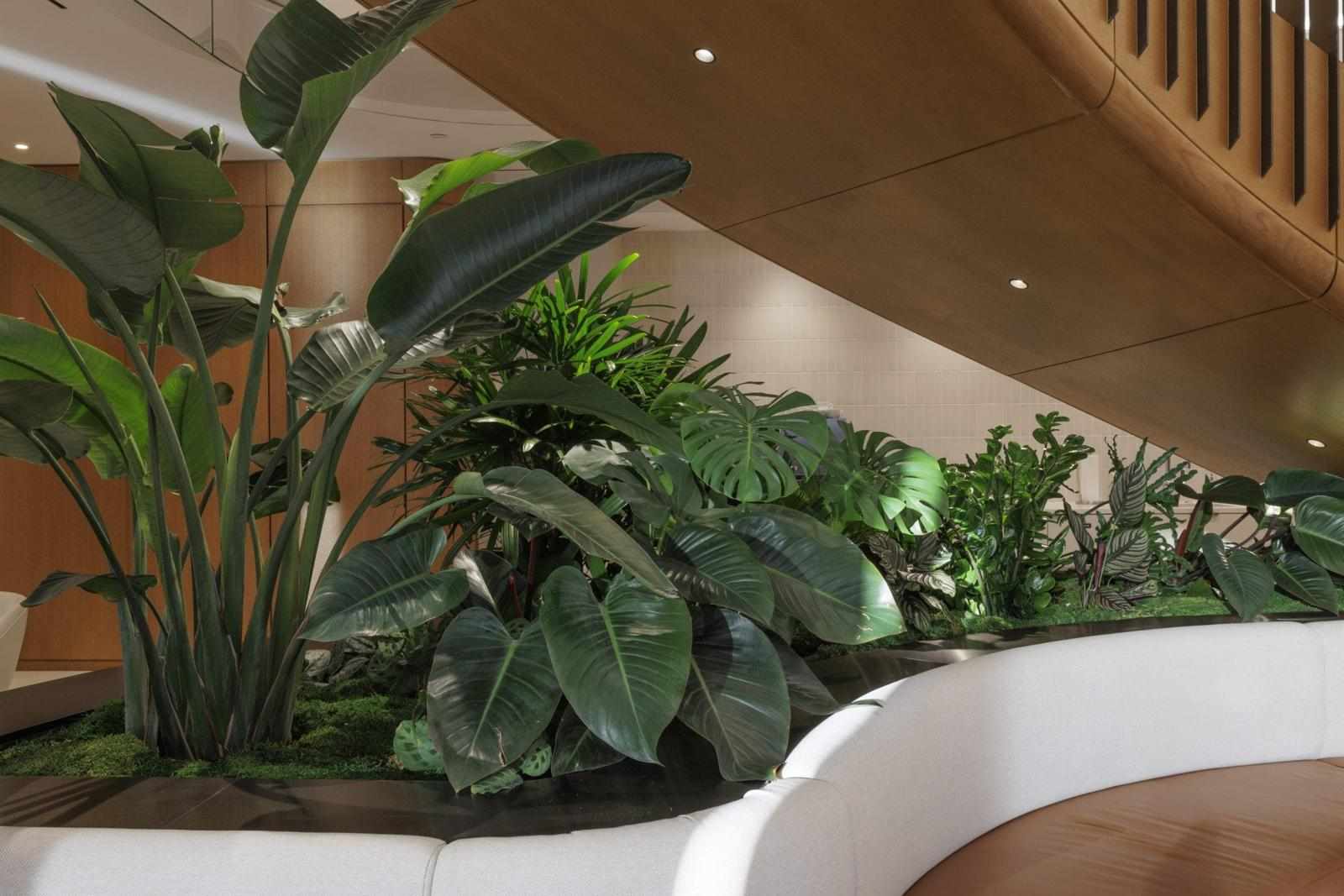
Grouping plants in varying heights creates a natural flow. Taller plants anchor the space, while medium and low plants fill in visual gaps. Layering mimics outdoor environments and gives interior landscapes a more organic feel.
Containers and Natural Materials
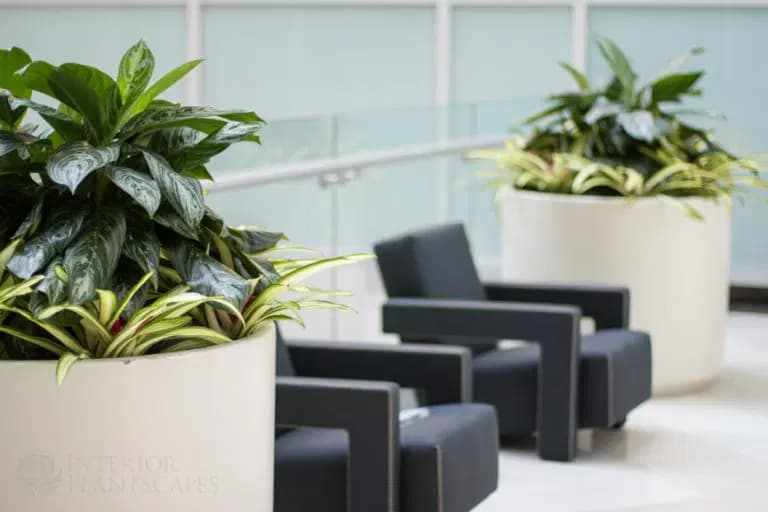
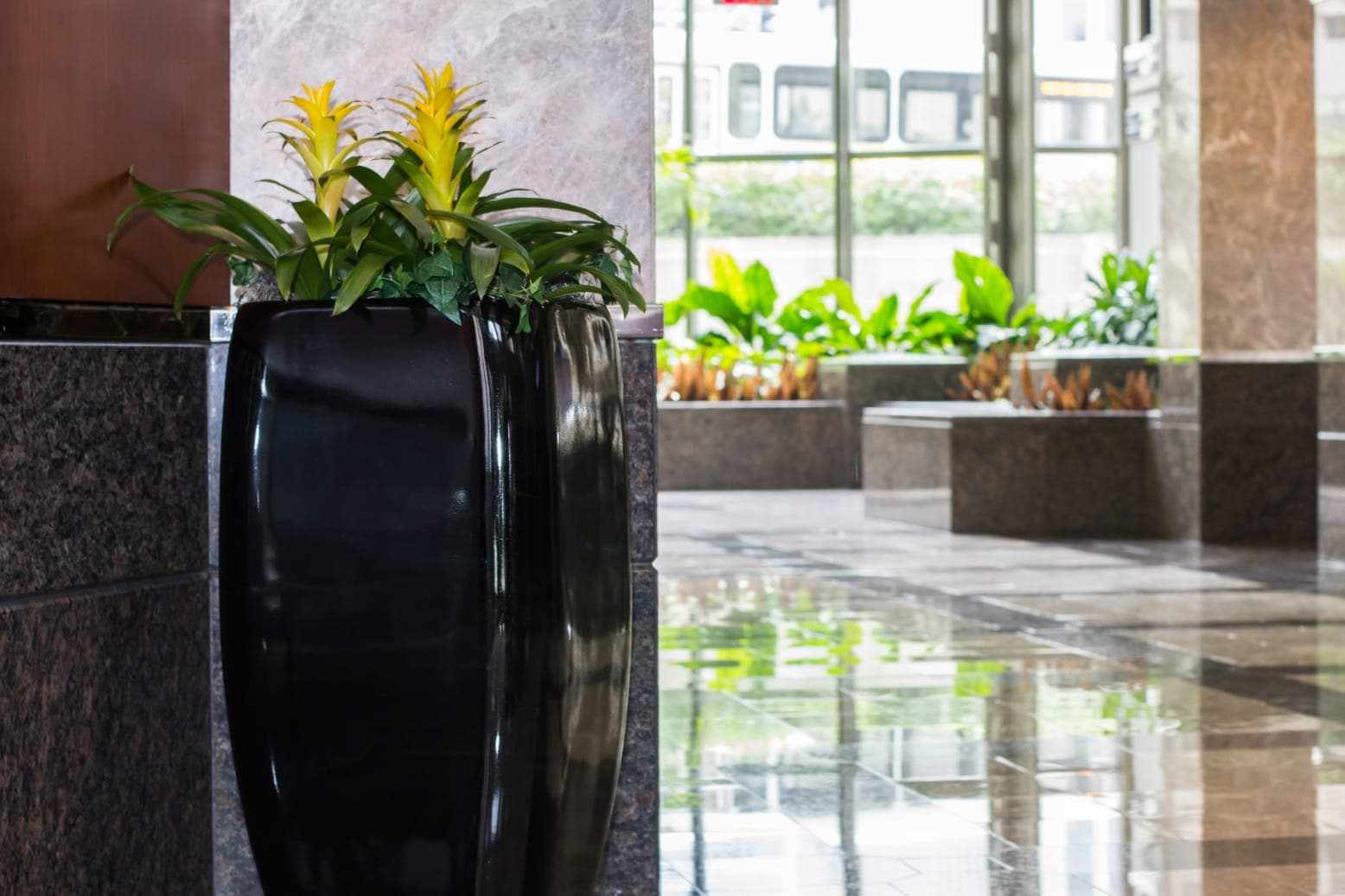
Plant containers contribute significantly to the overall design. Materials such as ceramic, clay, wood, and stone enhance the natural theme. Neutral tones often work best, allowing the greenery to remain the focal point.
Incorporating Vertical Greenery
Vertical plant displays are ideal for maximizing greenery in limited spaces. Wall mounted planters, shelving systems, and climbing plants add height and drama. Vertical elements draw the eye upward and make rooms feel more expansive.
Interior Landscapes in Different Rooms
Every room in a home can benefit from interior landscapes when designed with intention.
Living Rooms as Green Retreats
Living rooms are ideal for interior landscapes due to their size and social function. Large plants can define seating areas, while smaller plants soften shelves and corners. A well designed green layout encourages relaxation and connection.
Bedrooms and Restful Greenery
In bedrooms, interior landscapes should promote calm and rest. Soft foliage and gentle colors help create a soothing atmosphere. Plants placed near windows or bedside tables add life without overwhelming the space.
Kitchens and Dining Areas
Kitchens benefit from fresh greenery that reflects nourishment and vitality. Herb plants, compact foliage, and hanging greenery add charm and function. Interior landscapes in dining areas enhance the sensory experience of meals.
Bathrooms and Humidity Loving Plants
Bathrooms often provide ideal conditions for certain plants due to higher humidity. Interior landscapes in these spaces can include lush foliage that thrives in moist air, transforming bathrooms into spa like sanctuaries.
Maintaining Interior Landscapes Over Time
Ongoing care is essential for keeping interior landscapes healthy and beautiful.
Watering and Care Routines
Consistent care routines support plant health. Overwatering and underwatering are common challenges, so understanding each plant’s needs is important. Observing soil moisture and leaf condition helps guide proper care.
Pruning and Refreshing the Design
Regular pruning encourages healthy growth and maintains shape. Over time, interior landscapes may evolve as plants grow. Adjusting placement and refreshing containers helps keep the design balanced and visually appealing.
Adapting to Seasonal Changes
Light levels and indoor conditions can change throughout the year. Interior landscapes may need minor adjustments to accommodate seasonal shifts. Moving plants closer to light sources or reducing watering during cooler months helps maintain stability.
Sustainable Living Through Interior Landscapes
Interior landscapes support a more sustainable lifestyle by bringing nature into daily routines.
Reducing Stress and Energy Use
Green environments promote calm and may reduce the need for artificial mood enhancers. Plants also help regulate indoor humidity, contributing to overall comfort.
Encouraging Mindful Living
Caring for interior landscapes encourages mindfulness and responsibility. Tending to plants creates moments of pause and connection, reinforcing a deeper appreciation for natural cycles.
Conclusion
Interior landscapes offer a meaningful way to transform homes into green sanctuaries that nurture both body and mind. Through thoughtful planning, plant selection, and ongoing care, any living space can become a calming environment filled with life and natural beauty. Interior landscapes are not trends that fade quickly. They represent a lasting commitment to healthier and more harmonious living.
For those seeking expert guidance and inspiration in creating and maintaining stunning interior landscapes, Interior Plantscapes stands ready to support that vision with knowledge, creativity, and care.




Write a comment ...