
The modern world has seen a growing appreciation for the role that natural elements play in enhancing interior spaces. As people spend more time indoors, the need to connect with nature within built environments has become increasingly important. This is where the concept of plantscaping comes in. Plantscaping involves the strategic design and integration of plants within interior and exterior spaces to improve aesthetics, functionality, and wellbeing. It is both an art and a science, combining creativity with horticultural expertise to transform ordinary areas into thriving, beautiful environments.
Understanding the Concept of Plantscaping
Plantscaping goes beyond simply placing a few plants around a room. It is the deliberate and thoughtful arrangement of greenery to complement architecture, design, and human needs. The goal is to create balanced, harmonious spaces that enhance mood, productivity, and overall comfort. Whether in a corporate office, hospitality venue, or private home, plantscaping introduces vitality and character to any environment.
The Core Elements of Effective Plantscaping
Design and Aesthetic Balance
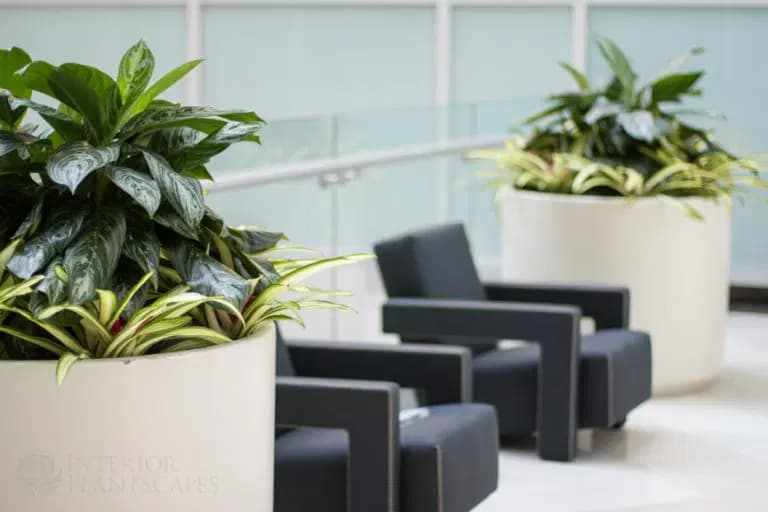
A successful plantscape design begins with a clear understanding of the space. Elements such as lighting, color palette, furniture placement, and architectural style influence plant selection and layout. Plantscaping professionals create designs that blend seamlessly with the surroundings, ensuring that greenery enhances rather than overwhelms the décor.
Health and Environmental Considerations
A well-planned plantscape does more than beautify interiors; it also supports health and environmental wellbeing. Plants purify air, regulate humidity, and reduce toxins commonly found in indoor environments. By improving air quality, plants contribute to a healthier and more comfortable space for occupants.
Why Plantscaping Matters in Modern Interiors
Enhancing Aesthetic Appeal
In contemporary interior design, natural elements have become essential for creating spaces that feel warm and inviting. Plants add texture, color, and movement that artificial décor cannot replicate. A thoughtfully arranged plantscape softens hard architectural lines, creating a sense of harmony and balance.
Promoting Wellbeing and Comfort
Plants have a calming influence on the human mind. The presence of greenery has been shown to lower stress levels and promote relaxation. A well-executed plantscape creates an atmosphere of tranquility and positivity, making it ideal for workplaces, healthcare facilities, and homes alike.
Improving Air Quality and Sustainability
Natural Air Filtration
Plants absorb carbon dioxide and release oxygen, naturally improving air quality. Many species also filter harmful pollutants from indoor air, including substances emitted by cleaning products, furniture, and electronic equipment. A balanced plantscape can make enclosed environments feel fresher and more vibrant.
Supporting Eco-Friendly Design
Plantscaping aligns perfectly with sustainable design principles. By using live plants instead of artificial materials, interiors become more environmentally responsible. Additionally, incorporating plants into design encourages awareness of nature and helps reduce the environmental impact of artificial décor.
The Role of Plantscaping in Workspaces
Boosting Productivity and Creativity
In modern offices, plantscaping contributes significantly to employee satisfaction and efficiency. Studies have shown that workers in green environments are more productive, focused, and creative. A visually appealing workspace that includes plants enhances cognitive performance and reduces mental fatigue.
Improving Morale and Team Spirit
Greenery in the workplace fosters a sense of belonging and care. Employees feel more valued when their environment is comfortable and appealing. A well-maintained plantscape also encourages collaboration and positivity among team members, making the workplace more dynamic and engaging.
Plantscaping in Residential Interiors
Creating a Peaceful Living Space
For homeowners, plantscaping transforms interiors into serene sanctuaries. Plants bring natural beauty and a sense of calm that complements daily life. Whether placed in living rooms, kitchens, or bedrooms, plants enhance mood and support emotional balance.
Connecting Indoor and Outdoor Environments
Modern homes often blur the boundaries between indoor and outdoor spaces. Plantscaping helps create a seamless transition by using natural elements to connect patios, balconies, and interior rooms. This connection strengthens the feeling of unity with nature while maintaining visual consistency.
The Professional Process Behind Plantscaping
Assessment and Planning
The process begins with a thorough assessment of the environment. Professionals evaluate factors such as light availability, temperature, and space design before selecting suitable plants. Each plant is chosen for its ability to thrive in the specific conditions of the space.
Design and Installation
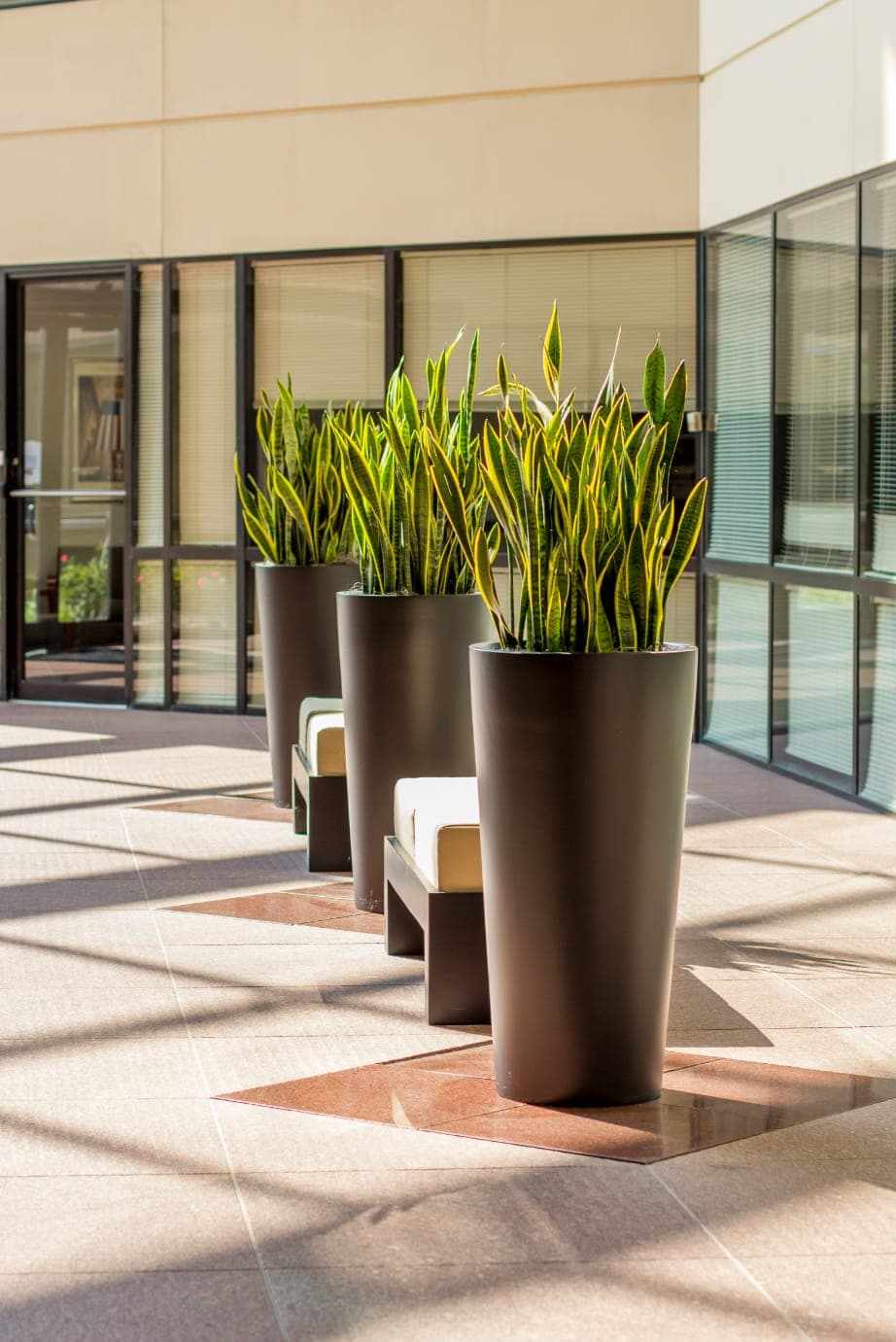
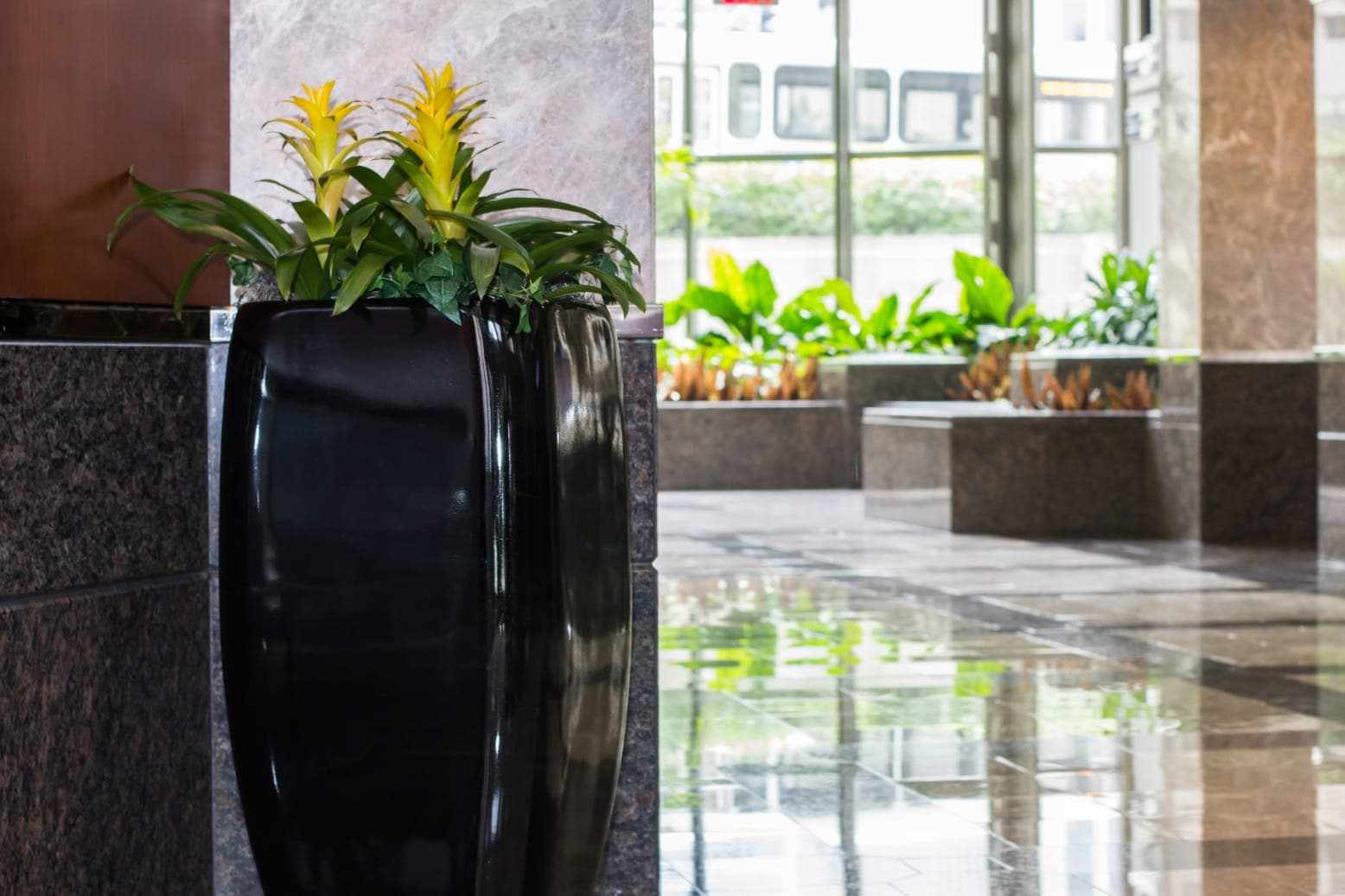
Once the plan is finalized, installation begins. Professionals arrange plants in a way that enhances visual flow while supporting their growth requirements. Containers, planters, and accessories are selected to complement the overall design.
Ongoing Maintenance
Regular maintenance ensures that the plants remain healthy and attractive. This includes watering, fertilizing, pruning, and pest management. Professional care keeps the plantscape looking its best and extends the life of the plants, ensuring the space remains vibrant year-round.
Psychological and Emotional Benefits of Plantscaping
Reducing Stress and Anxiety
Exposure to nature, even indoors, helps lower stress and anxiety levels. Plants introduce organic shapes, colors, and scents that evoke relaxation. This calming effect contributes to improved mental wellbeing and emotional balance.
Enhancing Concentration and Focus
Plantscaping also supports better concentration and cognitive function. In environments such as offices, schools, or libraries, greenery provides subtle stimulation that keeps the mind alert and engaged without distraction.
The Future of Plantscaping
Integration with Smart Design Systems
As technology advances, plantscaping is being integrated with smart systems that monitor plant health. Automated irrigation, lighting, and humidity control help maintain optimal growing conditions, making plantscaping even more efficient and sustainable.
Expanding Applications in Urban Spaces
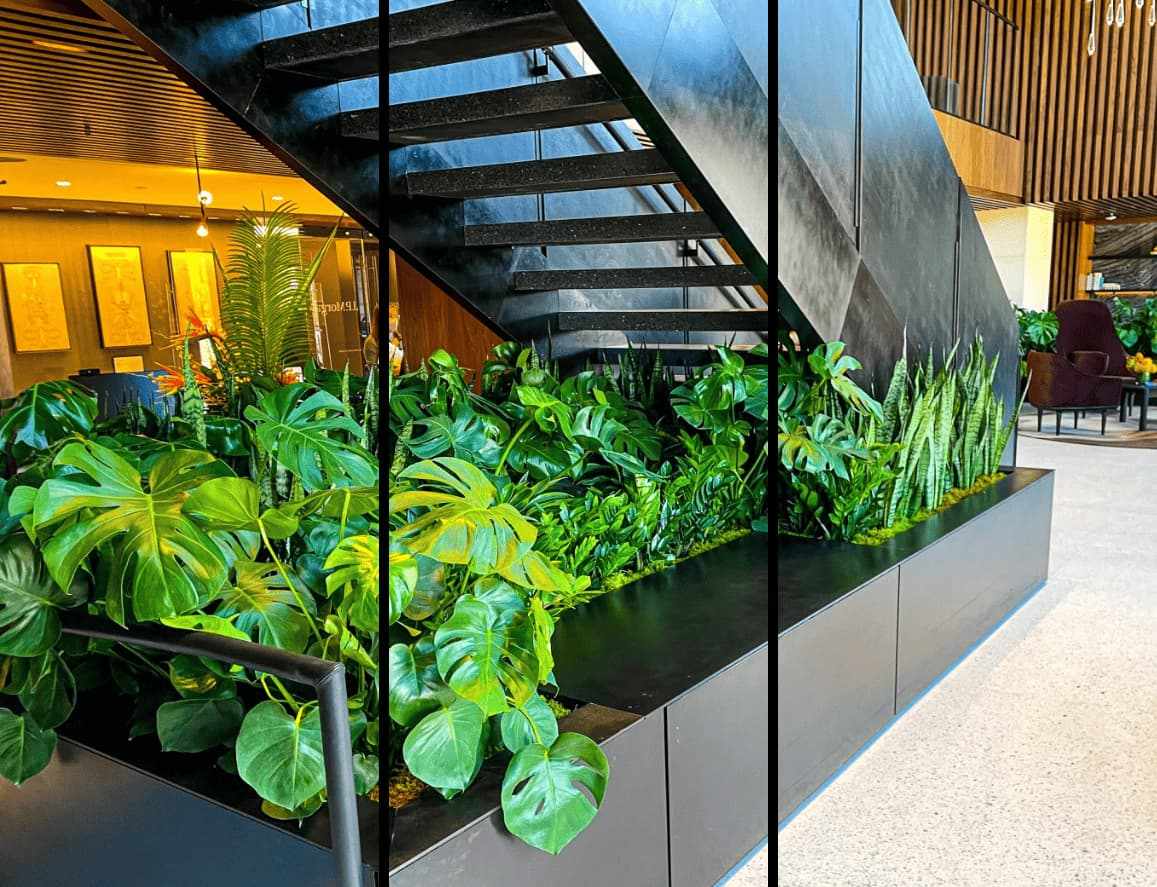
The popularity of plantscaping continues to grow, especially in cities where green space is limited. Vertical gardens, living walls, and indoor plant installations are redefining how greenery can be incorporated into urban environments. These innovations bring nature closer to people, even in densely populated areas.
Conclusion
Plantscaping is more than a design trend; it is a vital element of healthy, sustainable, and inspiring interior environments. Through the thoughtful integration of plants, spaces become more vibrant, comfortable, and environmentally friendly. A well-designed plantscape enhances air quality, boosts wellbeing, and transforms interiors into welcoming havens of natural beauty. For those looking to create or maintain exceptional plant-filled spaces, Interior Plantscapes provides the professional expertise needed to bring plantscaping visions to life.




Write a comment ...