
Plants have long been appreciated for their beauty, but their role in shaping healthier and more inspiring spaces is now more important than ever. Plantscape design focuses on the thoughtful integration of living plants into interior environments to enhance comfort, appearance, and overall quality of life. Whether applied in a home or a workplace, this design approach goes far beyond decoration. It supports wellness, productivity, and a deeper connection with nature.
By understanding how plantscape design works and why it matters, individuals and organizations can make informed choices that positively influence their daily environments.
Understanding Plantscape Design
Plantscape design is the practice of planning, selecting, and arranging indoor plants to complement a space while supporting human wellbeing. It considers factors such as lighting, space layout, plant health, and visual balance.
The Core Principles of Plantscape Design
At its core, plantscape design blends nature with interior spaces in a way that feels intentional and harmonious. Plant selection is based on environmental conditions, including natural light and humidity. Placement is carefully planned so plants enhance the flow of a room rather than disrupt it. The goal is to create an environment where plants and people thrive together.
Why Indoor Greenery Matters Today
Modern lifestyles often limit time spent outdoors. Plantscape design helps bridge this gap by bringing natural elements inside. Research continues to show that contact with nature, even indoors, supports mental clarity, reduces stress, and improves mood. As people seek healthier living and working environments, indoor plants have become an essential design element rather than an optional feature.
Benefits of Plantscape Design in Residential Spaces
Homes are personal sanctuaries, and plantscape design can transform them into calming, refreshing environments that support everyday life.
Enhancing Visual Appeal and Comfort
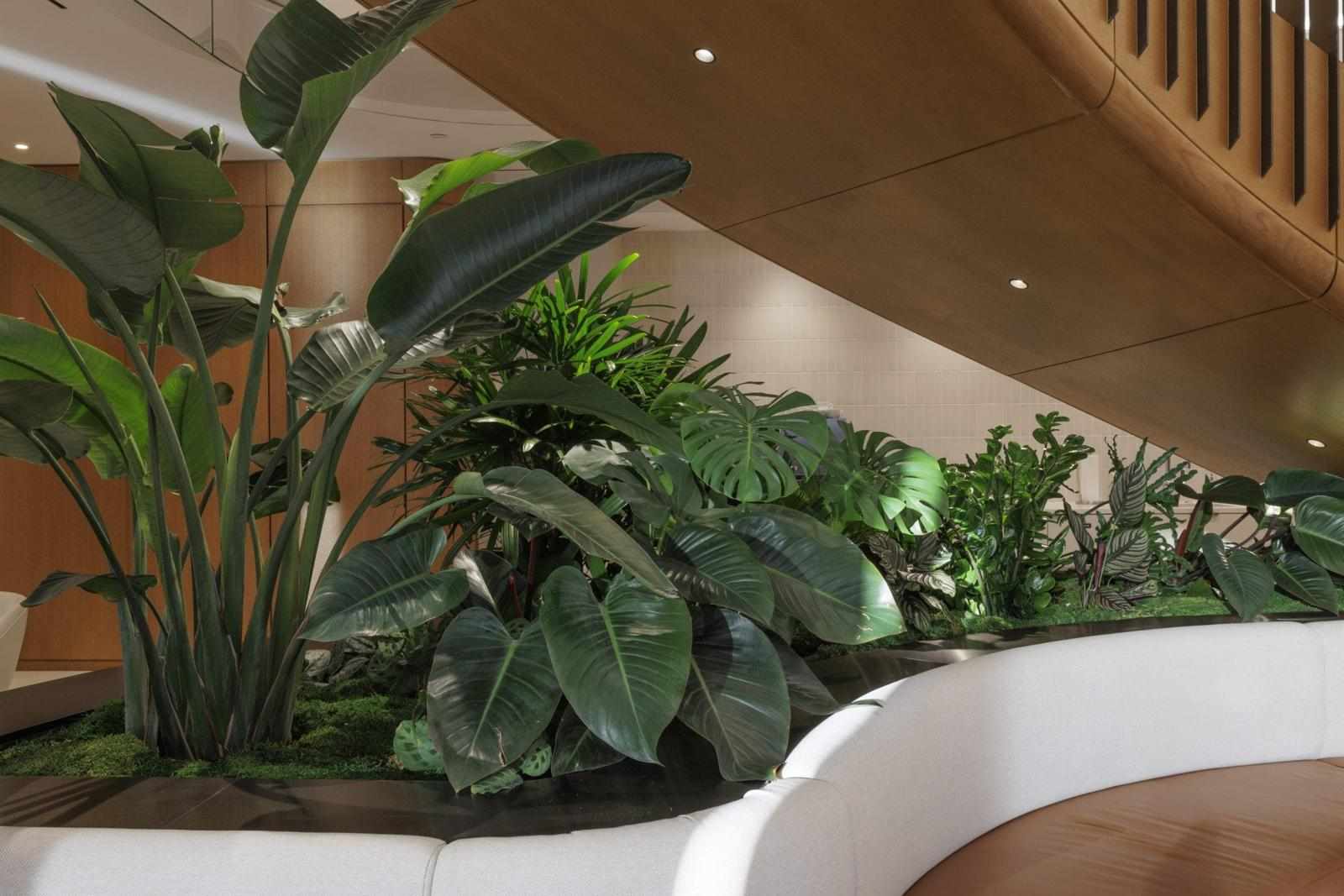
Indoor plants add texture, color, and life to residential interiors. A thoughtfully designed plantscape can soften hard surfaces, highlight architectural features, and create a welcoming atmosphere. Living rooms, kitchens, and bedrooms all benefit from greenery that complements furniture and decor while adding warmth and character.
Supporting Mental and Emotional Wellbeing
Plantscape design plays a valuable role in emotional health. The presence of plants can promote relaxation and reduce feelings of tension. In homes where people unwind after busy days, greenery offers a sense of balance and calm. Caring for plants can also provide a gentle routine that encourages mindfulness and emotional grounding.
Improving Indoor Air Quality
Plants help improve indoor air by absorbing certain pollutants and increasing humidity levels. While they are not a replacement for ventilation, they contribute to a fresher and more comfortable indoor environment. In homes where air quality is a concern, plantscape design offers a natural and visually pleasing support system.
Benefits of Plantscape Design in Office Environments
Workplaces benefit significantly from plantscape design, especially as organizations focus on employee wellbeing and productivity.
Boosting Focus and Productivity
Studies have shown that employees perform better in environments that include natural elements. Plantscape design can help reduce mental fatigue and support concentration. Offices with greenery often feel less sterile and more inspiring, which can lead to improved focus and creative thinking.
Reducing Stress in the Workplace
Work related stress is a common challenge, and plantscape design offers a simple yet effective way to address it. Greenery has a calming effect that can lower stress levels and promote a more positive atmosphere. Break areas, meeting rooms, and individual workspaces all benefit from the presence of plants.
Enhancing Professional Image
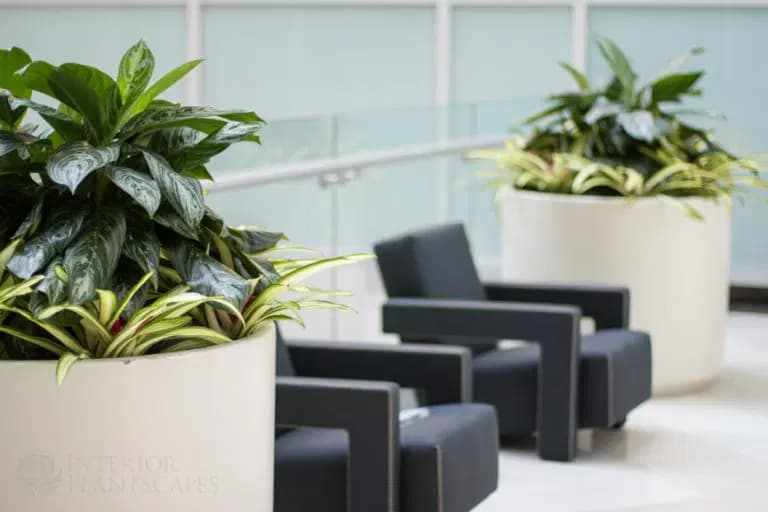
An office that features a well planned plantscape sends a message of care and professionalism. Clients and visitors often perceive such spaces as more welcoming and forward thinking. Plantscape design can reinforce brand values related to wellness, sustainability, and attention to detail without saying a word.
Key Elements of Successful Plantscape Design
Creating an effective plantscape requires thoughtful planning and an understanding of both plants and people.
Choosing the Right Plants
Not all plants are suited for indoor environments. Successful plantscape design involves selecting species that thrive under specific light and temperature conditions. Low light tolerant plants work well in offices, while brighter spaces may support a wider variety of greenery. The right choices ensure longevity and reduce maintenance challenges.
Strategic Placement and Scale
Placement is essential in plantscape design. Plants should enhance movement and visibility rather than obstruct them. Larger plants can define spaces or soften corners, while smaller plants add interest to desks and shelves. Scale matters, as plants should feel proportional to the room and its furnishings.
Maintenance and Long Term Care
A beautiful plantscape depends on consistent care. Watering, pruning, and monitoring plant health are all part of maintaining an attractive and functional design. A well maintained plantscape continues to deliver benefits over time, while neglected plants can have the opposite effect.
Plantscape Design and Sustainability
Sustainability is an important consideration in modern design, and plantscape design supports environmentally conscious choices.
Encouraging a Connection to Nature
Indoor plants help people feel more connected to the natural world. This connection can inspire greater awareness of environmental responsibility and sustainable living. When nature is part of daily surroundings, it becomes easier to appreciate and protect it.
Supporting Healthier Building Practices
Plantscape design complements sustainable building strategies by contributing to indoor environmental quality. While plants alone do not make a building sustainable, they play a supporting role in creating healthier interiors that prioritize human comfort and wellbeing.
Customizing Plantscape Design for Different Spaces
Every space is unique, and plantscape design should reflect its specific purpose and users.
Homes with Limited Space
Even small homes can benefit from plantscape design. Compact plants, vertical arrangements, and creative placement allow greenery to thrive without overwhelming the space. Thoughtful design ensures that plants enhance rather than clutter the environment.
Large Offices and Commercial Spaces
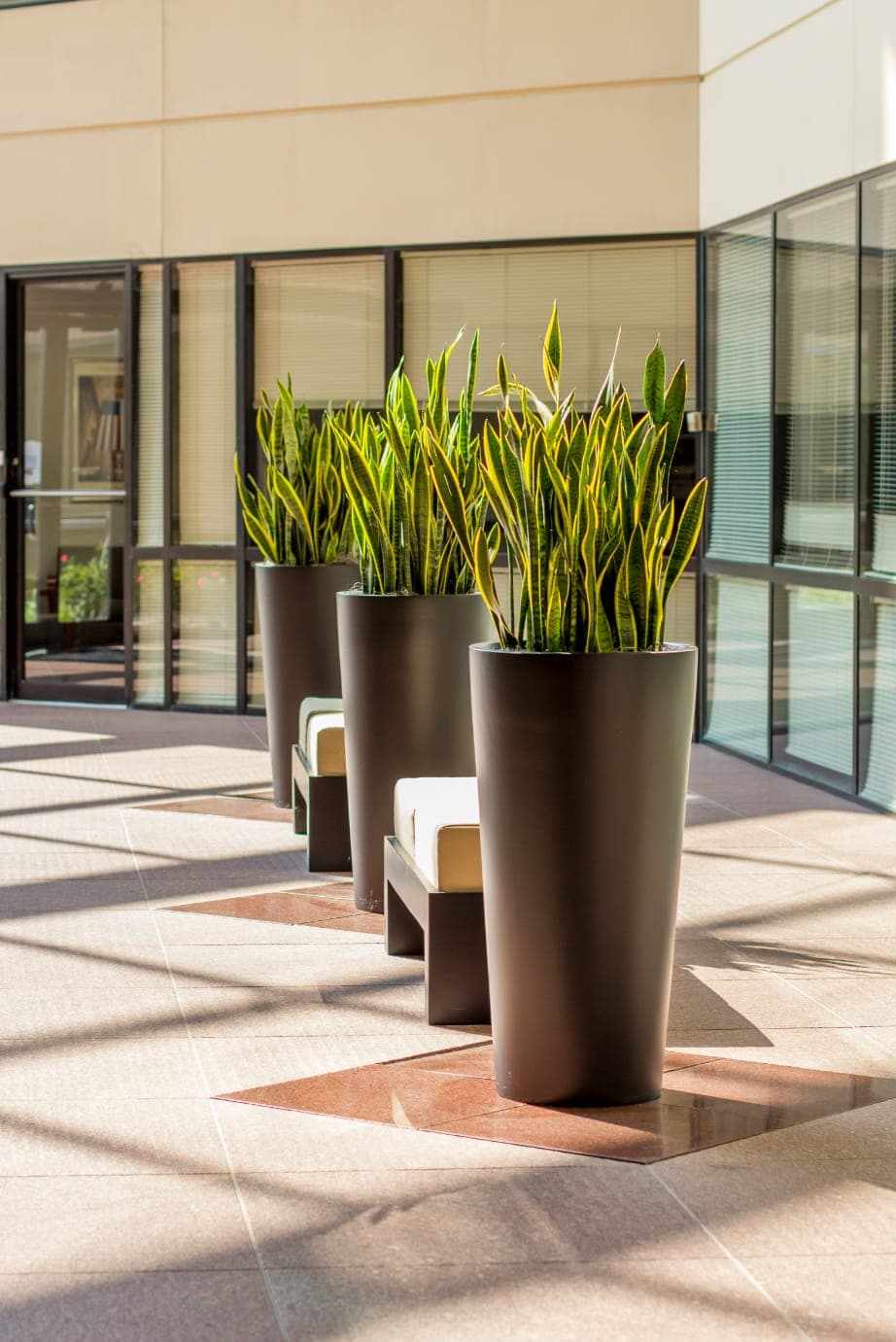
In larger environments, plantscape design can help define zones and improve wayfinding. Green walls, grouped planters, and statement plants add visual interest while supporting acoustic comfort and spatial organization.
Shared and Public Areas
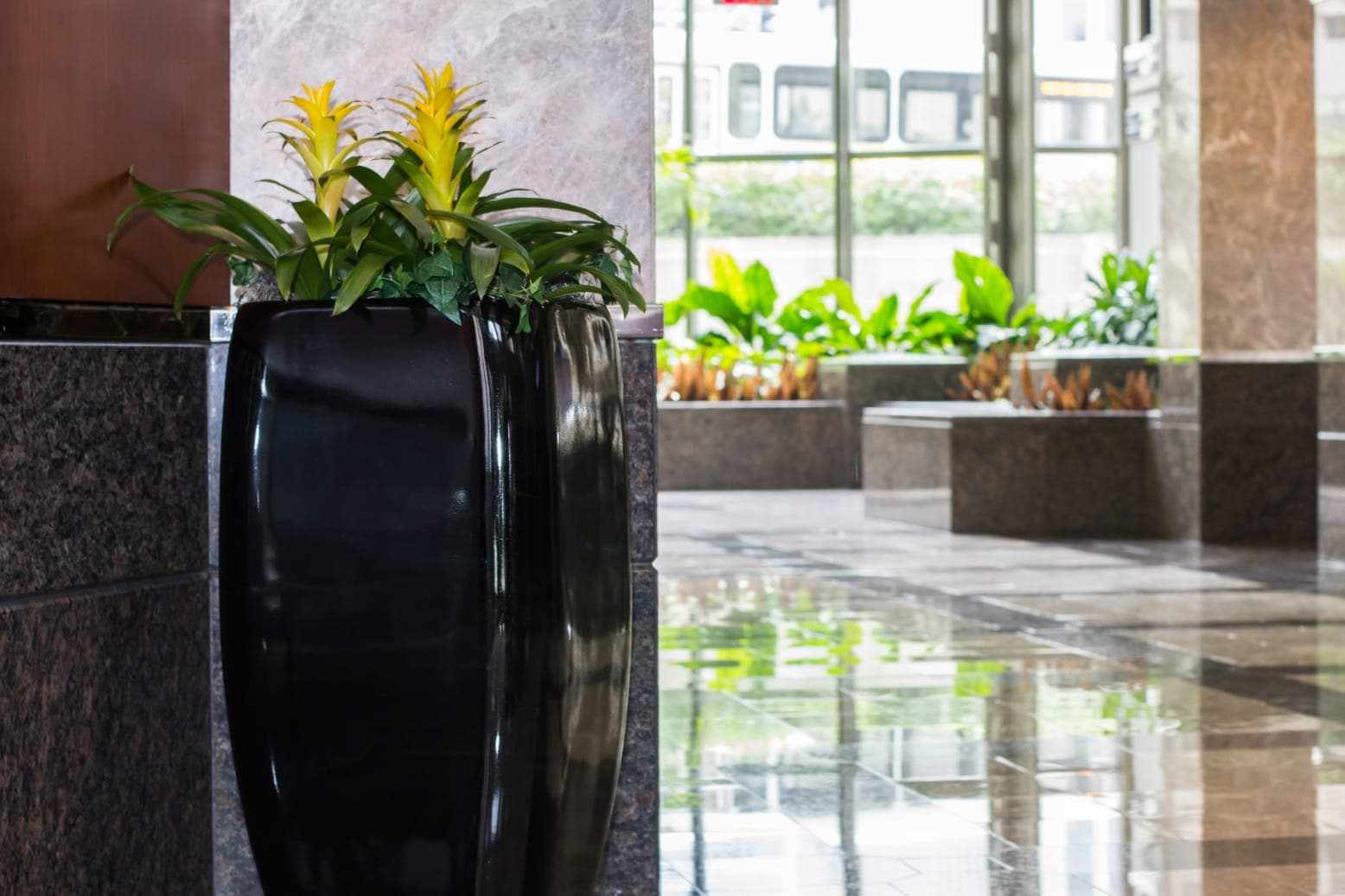
Reception areas, lounges, and waiting rooms benefit greatly from plantscape design. These spaces often set the first impression, and greenery helps create a sense of calm and hospitality for everyone who enters.
The Long Term Value of Plantscape Design
Plantscape design is not just a short term trend. It offers lasting value for both individuals and organizations.
Enhancing Quality of Life
Over time, the presence of plants contributes to improved mood, comfort, and satisfaction with a space. Whether at home or at work, people tend to feel more at ease in environments that include natural elements.
Supporting Health and Wellness Goals
As awareness of wellness grows, plantscape design aligns with broader efforts to create healthier lifestyles and work cultures. It supports physical comfort, mental clarity, and emotional balance in a way that feels natural and unobtrusive.
Adapting to Changing Needs
Plantscape design is flexible and can evolve as spaces change. Plants can be rearranged, replaced, or expanded to suit new layouts or preferences. This adaptability makes plantscape design a smart investment for the future.
Conclusion
Plantscape design offers a powerful way to improve both homes and offices by blending natural beauty with practical benefits. From enhancing visual appeal and air quality to supporting mental wellbeing and productivity, the impact of thoughtfully integrated plants is far reaching. As more people recognize the value of nature inspired interiors, plantscape design continues to play an important role in creating spaces that feel healthier, more inviting, and more balanced.
For those seeking expert guidance and long lasting results, Interior Plantscapes provides the knowledge and experience needed to bring meaningful plantscape design into any environment.




Write a comment ...