Biophilic interior design has emerged as a powerful concept in creating healthier, more productive, and aesthetically pleasing spaces. Rooted in the idea that humans have an innate connection to nature, biophilic design aims to bring natural elements into indoor environments. Whether you are redesigning a home, office, or commercial space, incorporating biophilic principles can transform your space into a sanctuary that fosters well-being and creativity.

In this article, we will explore various strategies for integrating biophilic interior design into any space, from small apartments to large offices. We will cover practical tips, design elements, and how to effectively use biophilic design principles to enhance your environment.
Understanding Biophilic Interior Design
Before diving into how to incorporate biophilic design, it is important to understand what biophilic interior design is and why it has become so popular.
Biophilia refers to the human tendency to seek connections with nature. In the context of interior design, biophilia is about integrating natural elements into built environments to enhance the health, mood, and productivity of the inhabitants. Biophilic design not only adds beauty and natural aesthetics to a space but also helps improve air quality, reduce stress, and increase overall comfort.
Some key principles of biophilic design include:
Natural Light: Maximizing exposure to natural sunlight.
Indoor Plants: Incorporating various plant species into the décor.
Natural Materials: Using materials such as wood, stone, and bamboo.
Water Features: Introducing water elements such as fountains or ponds.
Views of Nature: Ensuring access to outdoor views or bringing nature inside.
Now, let’s explore specific ways to incorporate biophilic design elements into your space.
Bringing Nature Indoors with Plants
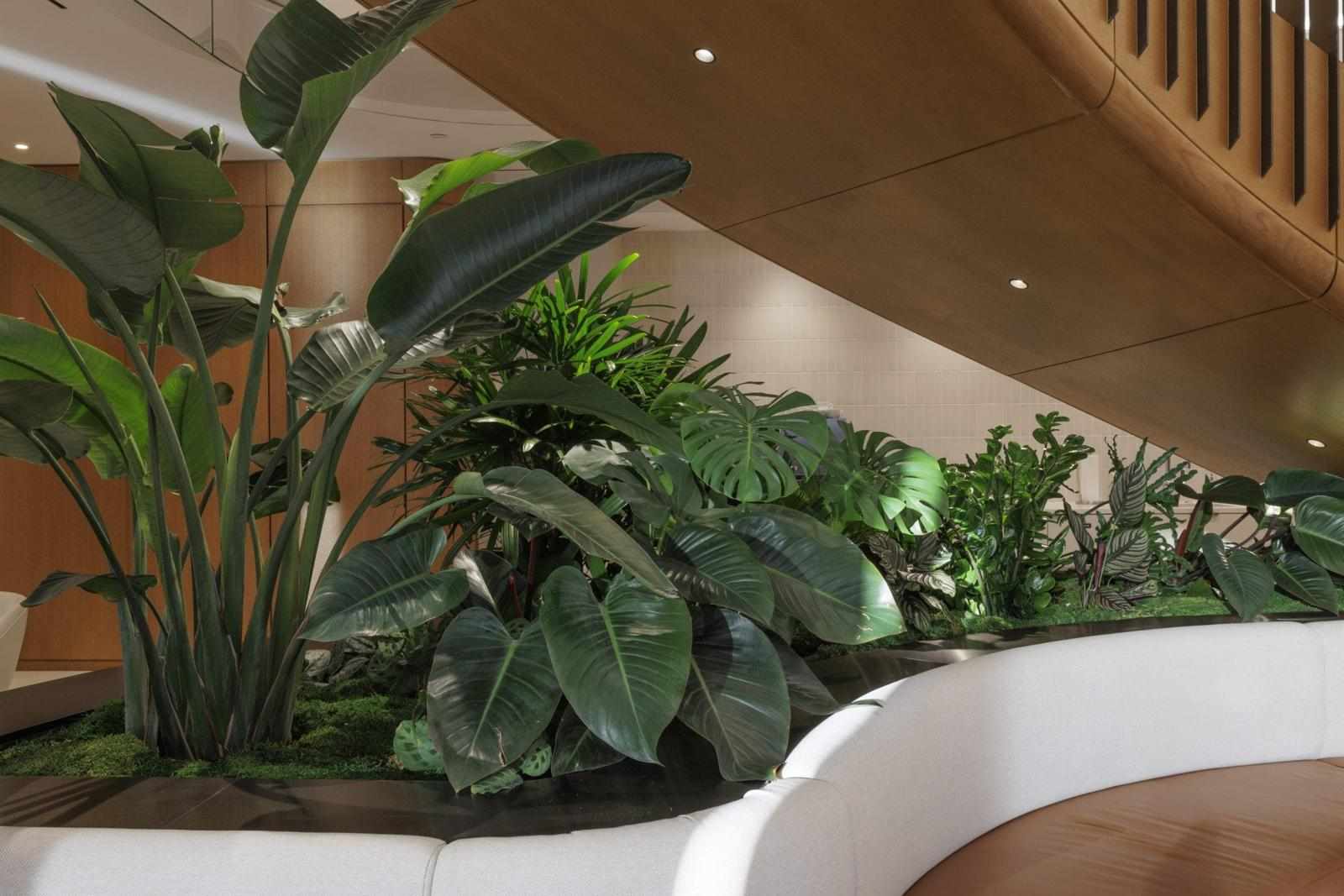
One of the most popular and straightforward ways to incorporate biophilic design is by introducing indoor plants into your space. Plants not only provide aesthetic beauty but also purify the air and create a calming atmosphere.
Choosing the Right Plants
Not all plants are suited to every space, so it is important to consider factors such as lighting, humidity, and space size when selecting plants. Some great options for indoor plants include:
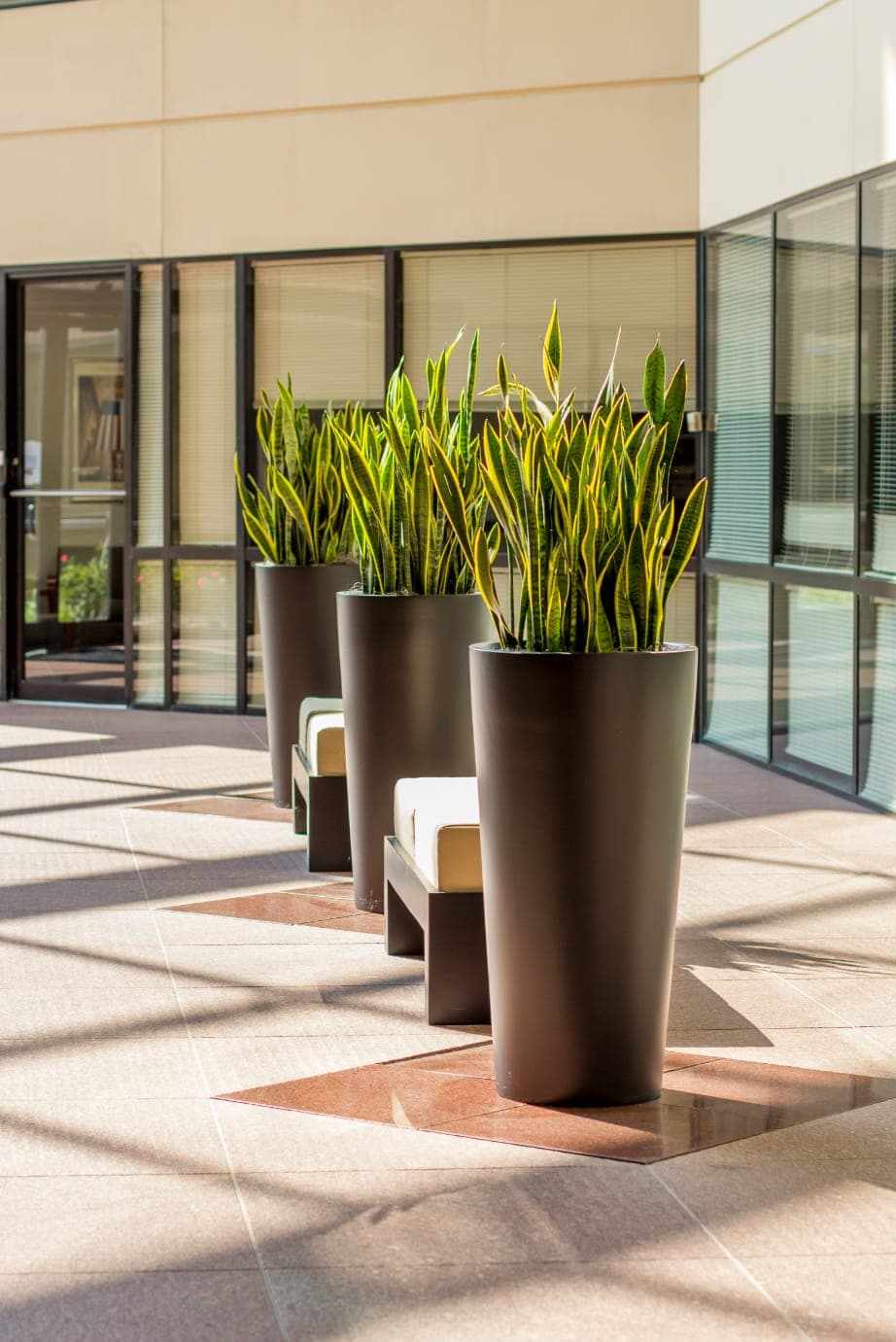
Low Light Areas: Snake plants, pothos, and ZZ plants are ideal for spaces with limited natural light.
High Light Areas: Fiddle leaf figs, succulents, and cacti thrive in bright, sunlit rooms.
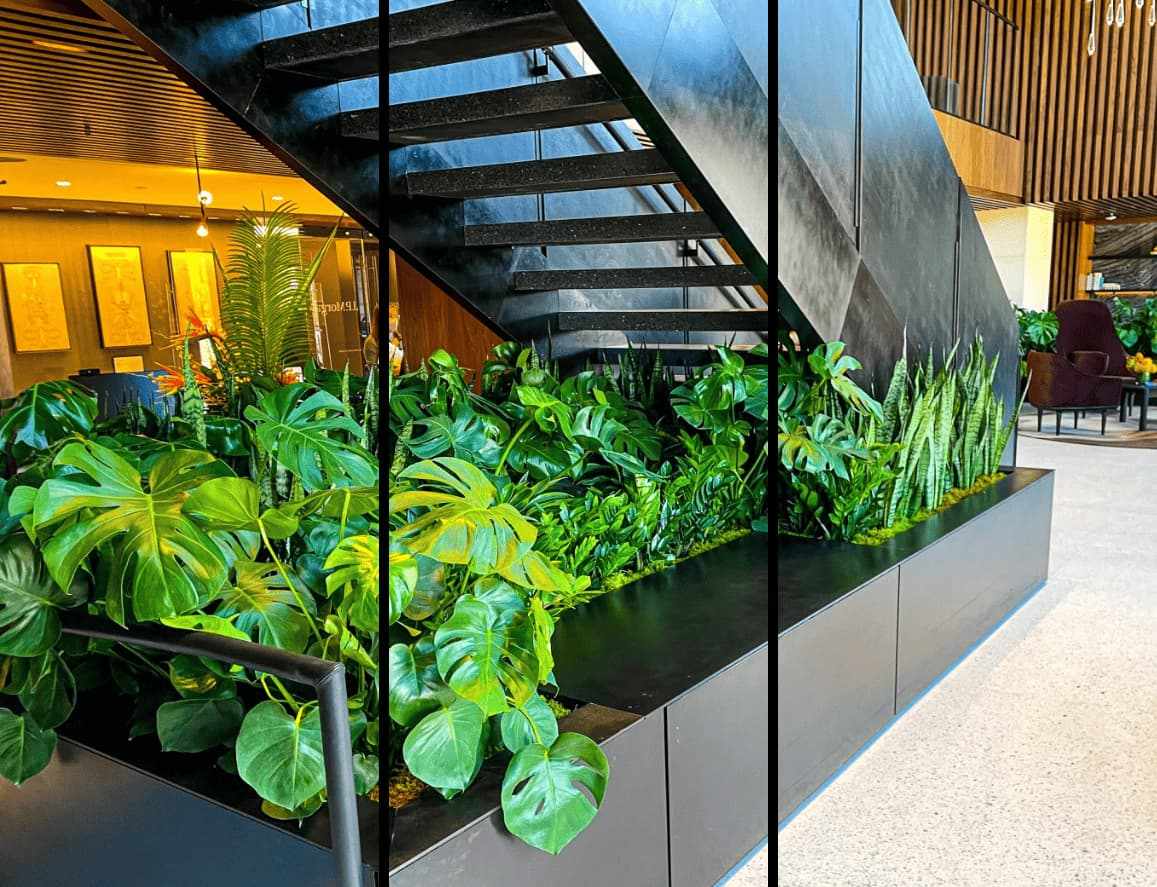
Large Spaces: Palm trees, rubber plants, and monstera can fill large areas and make a striking statement.
Grouping Plants for Impact
Grouping plants together creates a mini indoor garden and allows you to play with different heights, textures, and colors. Consider creating plant clusters in corners, on shelves, or in hanging planters.
Additionally, using large plants or trees in focal points can help mimic the grandeur of nature.
Green Walls and Vertical Gardens
For smaller spaces or areas with limited floor space, vertical gardens or green walls are a fantastic biophilic design element. Vertical gardens are composed of plants arranged on a wall structure, creating a lush, green focal point. This type of greenery can also improve air quality and contribute to a healthier indoor environment.
Maximizing Natural Light
Light plays a crucial role in biophilic interior design, not only because it enhances the aesthetics of the space but also because natural light is essential for overall well-being.
Positioning Furniture to Maximize Light
To make the most of natural light, position your furniture and other design elements to take advantage of windows and light sources. Arrange seating areas near windows or use mirrors strategically to reflect light deeper into the space. Avoid heavy curtains or drapes that can block sunlight; instead, use sheer fabrics or blinds that allow light to filter through.
Skylights and Large Windows
If you're undertaking a renovation or building from scratch, consider installing large windows, glass doors, or skylights to flood your space with daylight. These features also help create a direct connection between the indoors and the outdoors, an essential aspect of biophilic design.
Using Natural Materials
Incorporating natural materials is a hallmark of biophilic design. These materials not only look beautiful but also create a sense of warmth and comfort that is difficult to achieve with synthetic materials.
Wood and Stone
Wooden elements in furniture, flooring, or paneling can add a rustic, natural feel to a space. Different wood types can evoke different moods, from light and airy maple to rich and warm oak. Similarly, natural stone such as granite, marble, or limestone can be used in countertops, backsplashes, or flooring to evoke a sense of earthiness.
Bamboo and Cork
For eco-conscious individuals, bamboo and cork are two sustainable materials that can be incorporated into biophilic design. Bamboo is an extremely fast-growing plant, making it an environmentally friendly option for furniture, flooring, and wall treatments. Cork, made from the bark of cork oak trees, is another renewable resource that can be used in flooring, wall tiles, or even as furniture accents.
Integrating Water Features
Water is one of nature’s most soothing elements. Introducing water features into your space can enhance the tranquility and serenity of your home or office.
Indoor Fountains
Indoor water fountains are an excellent way to add both sound and visual beauty to a room. The gentle sound of flowing water can help reduce stress and create a calming atmosphere. Fountains come in various sizes and styles, from simple tabletop versions to large, freestanding installations.
Aquariums and Water Walls
Aquariums are another water element that can enhance a space’s biophilic design. The movement of water and the presence of aquatic life add both beauty and serenity to a room. Alternatively, a living water wall a vertical garden that incorporates water flowing over plants can serve as a stunning centerpiece.
Embracing Outdoor Views and Connection
Bringing the outdoors in is a central tenet of biophilic interior design. If possible, create spaces that open directly to nature or use design elements that evoke a sense of being outside.
Large Glass Doors and Windows
Large glass doors, such as sliding or French doors, allow for unobstructed views of the outdoors. These doors create a seamless transition between the interior and exterior spaces, blurring the lines between nature and the built environment. If possible, ensure that your outdoor space is landscaped with natural elements like trees, flowers, or a garden to enhance the connection to nature.
Nature-Inspired Art and Decor
If you do not have the option of large windows or an outdoor view, you can still incorporate elements of nature through art. Consider using nature-inspired artwork, such as landscapes, botanical prints, or abstract representations of natural elements. Additionally, furniture made of natural materials like wood and stone can evoke the feel of the outdoors.
Designing with Biophilic Principles in Mind
Biophilic interior design is not just about adding a few plants or using natural materials; it is about creating a holistic environment that nurtures well-being. To achieve this, consider how different elements work together to create a cohesive, natural environment.
Color Palette
Natural colors inspired by earth, water, and plant life help reinforce the connection to nature. Think greens, browns, blues, and soft neutrals. Using natural shades in your paint, fabrics, and decor helps establish a calming atmosphere.
Textures and Patterns
Incorporating textures and patterns that mimic nature is another way to enhance biophilic design. Textured fabrics, such as linen or wool, can evoke the feel of the outdoors. Patterns inspired by natural forms, such as leaves, branches, or organic shapes, can be incorporated into rugs, pillows, or wall treatments.
Conclusion
Incorporating biophilic interior design into any space can significantly improve the ambiance, well-being, and overall functionality of a room. By thoughtfully integrating natural elements like plants, natural light, water features, and organic materials, you can create a space that not only looks beautiful but also nurtures a deeper connection to nature.
Whether you are designing a residential, commercial, or office space, the principles of biophilic design can be adapted to suit any environment. At Interior Plantscapes, we specialize in helping you bring the beauty and benefits of biophilic design into your space through the use of plants and natural elements. Let us help you create a space that promotes well-being, productivity, and harmony with nature.




Write a comment ...