In the fast-paced world of business, creating an environment that promotes well-being, creativity, and productivity is essential. One effective way to achieve this is by incorporating interior plantscaping into office spaces. The term “DC Interior Plantscaping” refers to the practice of designing and maintaining plant life within office environments, particularly in Washington, D.C., to enhance aesthetics, air quality, and employee satisfaction. This article delves into the benefits of DC interior plantscaping and why businesses should consider incorporating plants into their offices.

What Is Interior Plantscaping?
Interior plantscaping involves designing, installing, and maintaining plants in indoor spaces. In office environments, this practice is used not only to decorate but also to improve the overall atmosphere of the space. Through strategic placement of plants, businesses can create a harmonious and productive work environment.
Plants used in interior plantscaping are often carefully selected based on their ability to thrive in indoor conditions, their air-purifying qualities, and their aesthetic appeal. The goal is to incorporate greenery in a way that complements the office’s design while providing tangible benefits for the workplace.
The Benefits of Interior Plantscaping for Offices
1. Enhancing Employee Well-being
One of the primary reasons for incorporating interior plantscaping in offices is to enhance employee well-being. Research consistently shows that plants have a positive impact on mental health and stress levels. Having greenery in the workplace can help reduce anxiety, increase mood, and improve overall feelings of satisfaction among employees. Plants have a calming effect that can help workers feel more relaxed, even during stressful workdays.
Reducing Stress and Improving Mental Clarity
Plants have been shown to reduce workplace stress, which is a significant factor in improving employee productivity. A study by the University of Exeter found that workplaces with plants significantly reduced stress levels and increased employees' concentration. With more employees reporting lower levels of fatigue and tension, it's clear that introducing plants can help create a more productive and harmonious work environment.
2. Boosting Productivity and Creativity
Incorporating greenery into office spaces can lead to enhanced productivity and creativity. Plants not only make a space feel more inviting but also foster a stimulating atmosphere that encourages creativity. Being surrounded by nature can spark innovation and help employees think outside the box.
The Link Between Greenery and Creativity
Research conducted by the University of Queensland found that people working in environments with plants showed a 15% improvement in creativity. Plants help to break up monotonous, artificial office designs and provide a refreshing touch of nature. This can be especially helpful in creative fields where new ideas and fresh perspectives are crucial.
3. Improving Air Quality
Indoor air quality is an important factor for employee health, especially in office buildings where ventilation might be limited. Many office spaces in DC and beyond use air conditioning systems that circulate stale air, which can lead to discomfort, headaches, and fatigue. Interior plants are natural air purifiers, capable of absorbing toxins and releasing oxygen into the air, improving overall air quality.
The Air-Purifying Power of Plants
Certain types of plants, such as the peace lily, snake plant, and spider plant, are known for their ability to filter out harmful chemicals like formaldehyde, benzene, and trichloroethylene. By incorporating these plants into the office environment, businesses can improve air quality and create a healthier workspace.
4. Enhancing Office Aesthetics
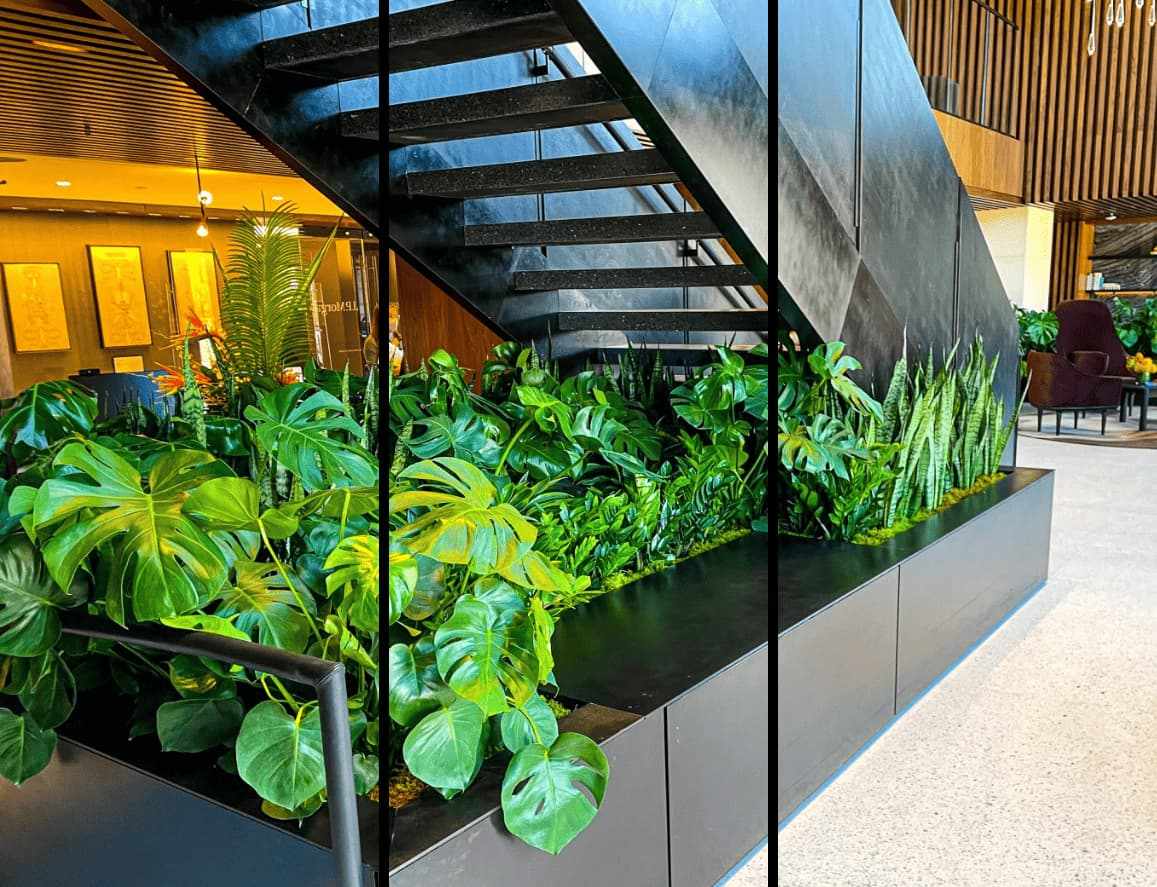
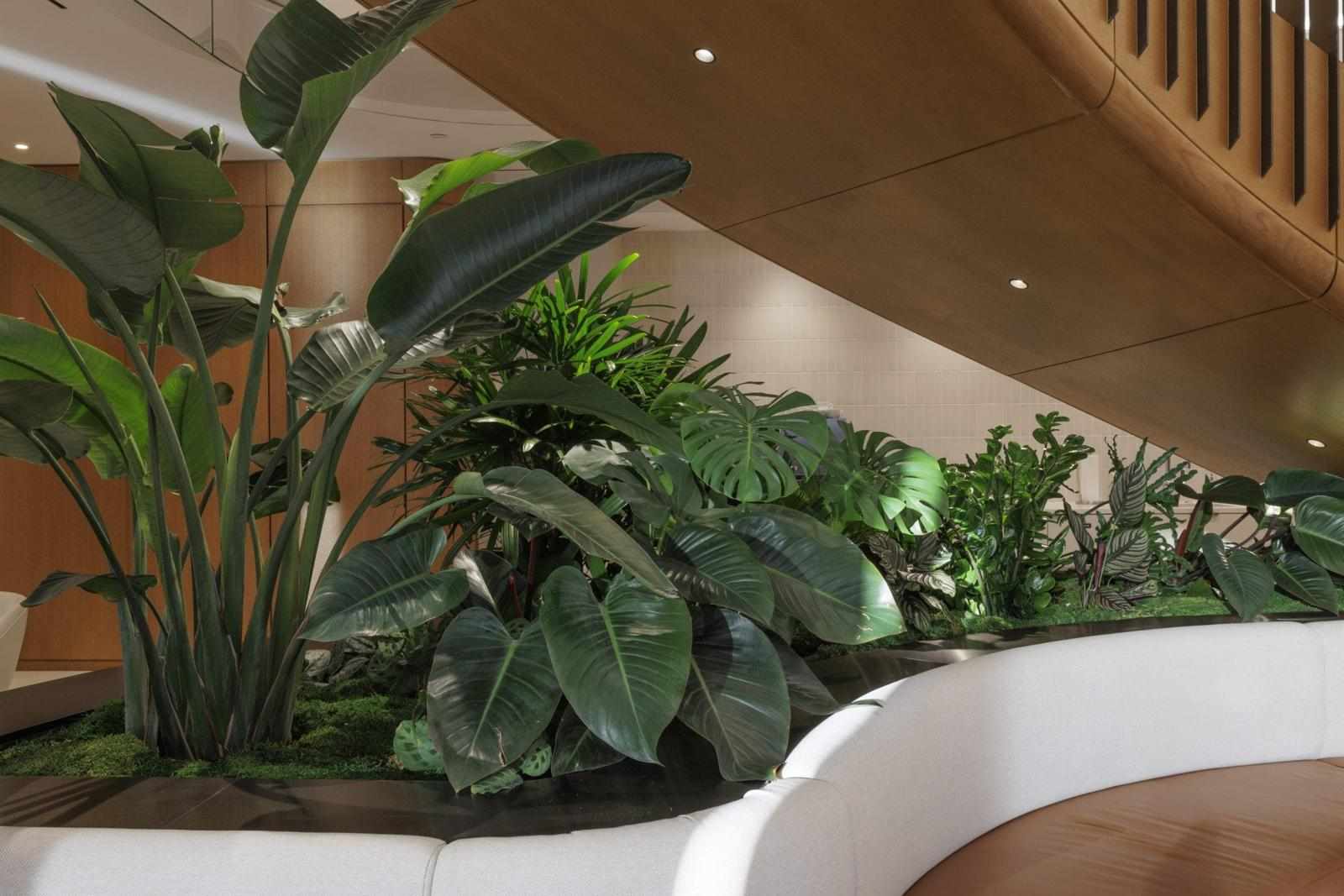
An aesthetically pleasing workspace can have a significant impact on employee morale. Interior plantscaping can transform dull, sterile office environments into vibrant, inviting spaces. The greenery adds a natural touch that breaks up the monotony of office furniture and décor. Whether in the form of potted plants, hanging planters, or living walls, the visual appeal of plants can elevate the overall design of any office space.
Aesthetic Flexibility
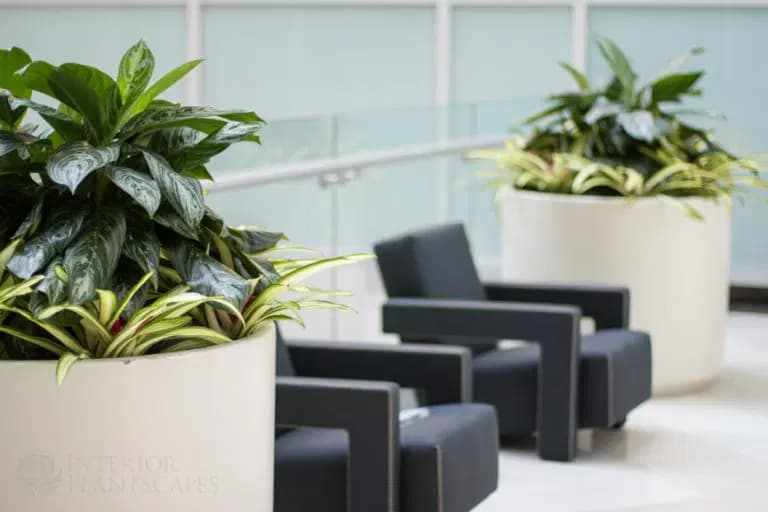
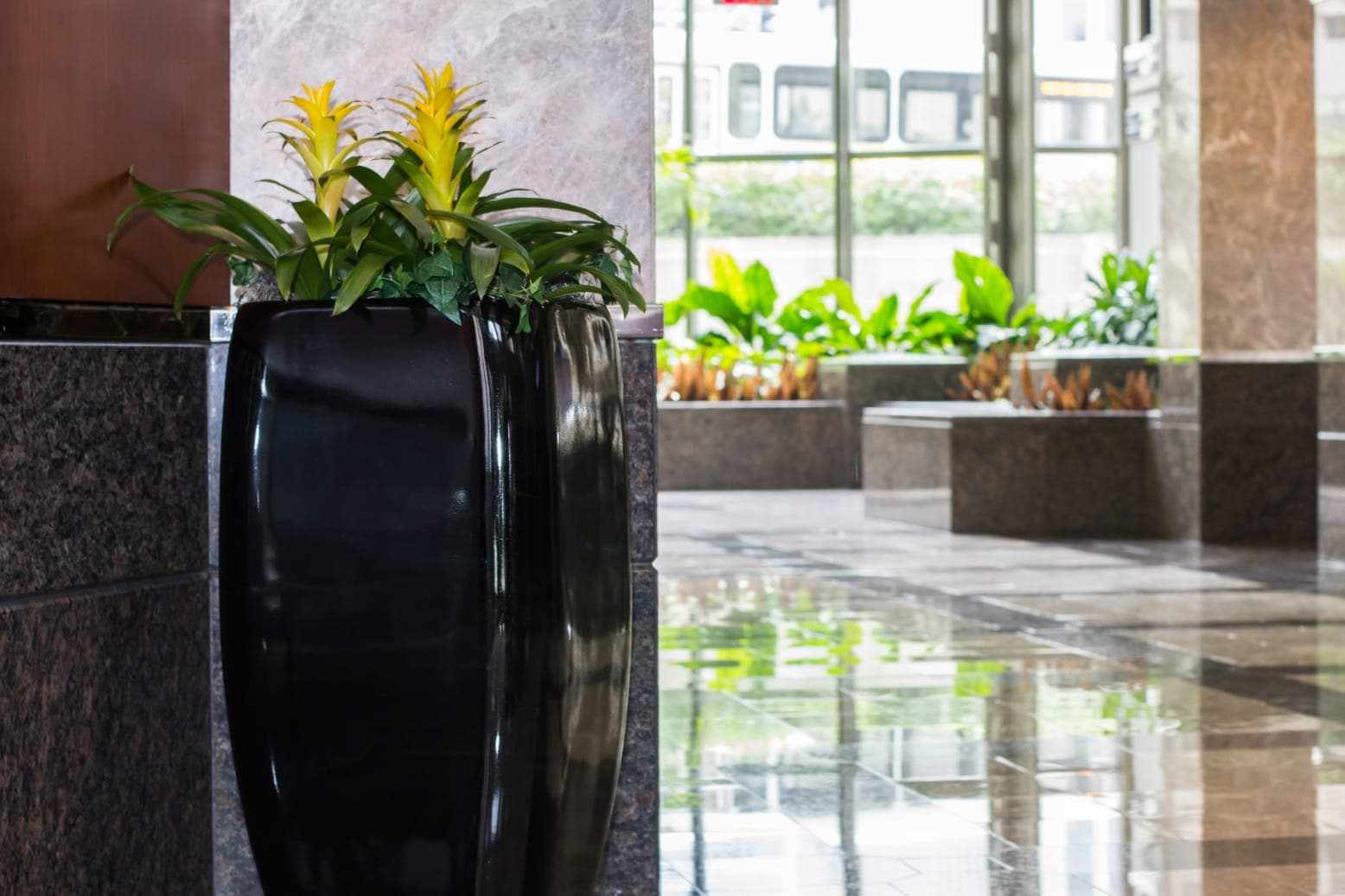
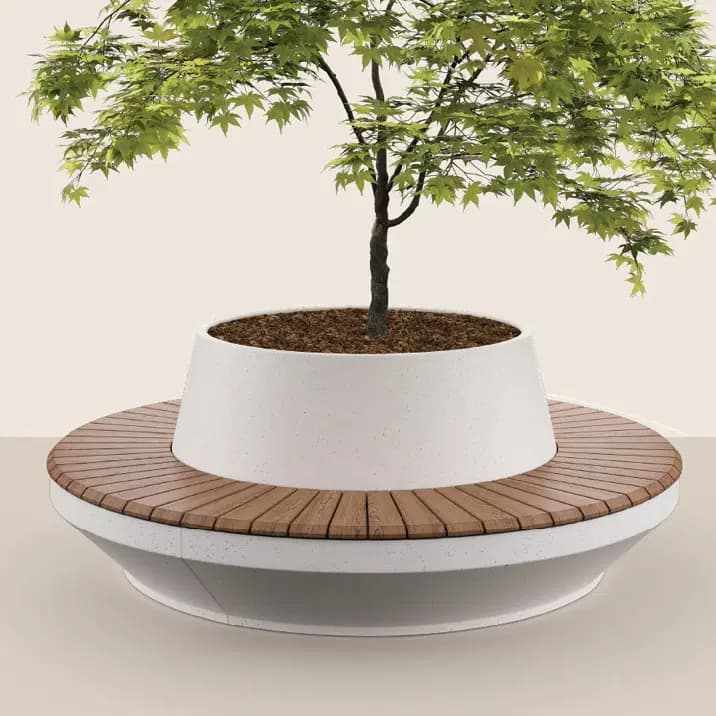
The beauty of interior plantscaping lies in its versatility. From sleek, minimalist planters to large, lush trees, plants can complement any office style. Whether the goal is to create a cozy, relaxed atmosphere or a modern, professional space, plants can be chosen to suit the design preferences of the company.
5. Supporting Sustainable Business Practices
As businesses across the globe strive for sustainability, adopting eco-friendly practices has become a key priority. Interior plantscaping not only contributes to a greener environment but also promotes a company’s commitment to sustainability. By investing in plants, businesses can create an eco-conscious atmosphere that aligns with their values.
Planting the Seeds of Sustainability
Incorporating plants into the office is a simple, yet effective, way to support sustainable business practices. Plants are renewable resources, and by choosing low-maintenance, indoor-friendly varieties, businesses can reduce their carbon footprint. Additionally, plants help to regulate the temperature of the office, reducing the need for energy-consuming air conditioning and heating systems.
Choosing the Right Plants for Your Office
When selecting plants for your office, it is important to choose species that will thrive in the indoor environment and require minimal maintenance. Some plants do well in low-light environments, while others may need a bit more sunlight to flourish.
Low-Light Plants
Many offices in Washington, D.C., may not have abundant natural light, especially in buildings with smaller windows. Fortunately, several plants thrive in low-light conditions, making them ideal choices for interior plantscaping.
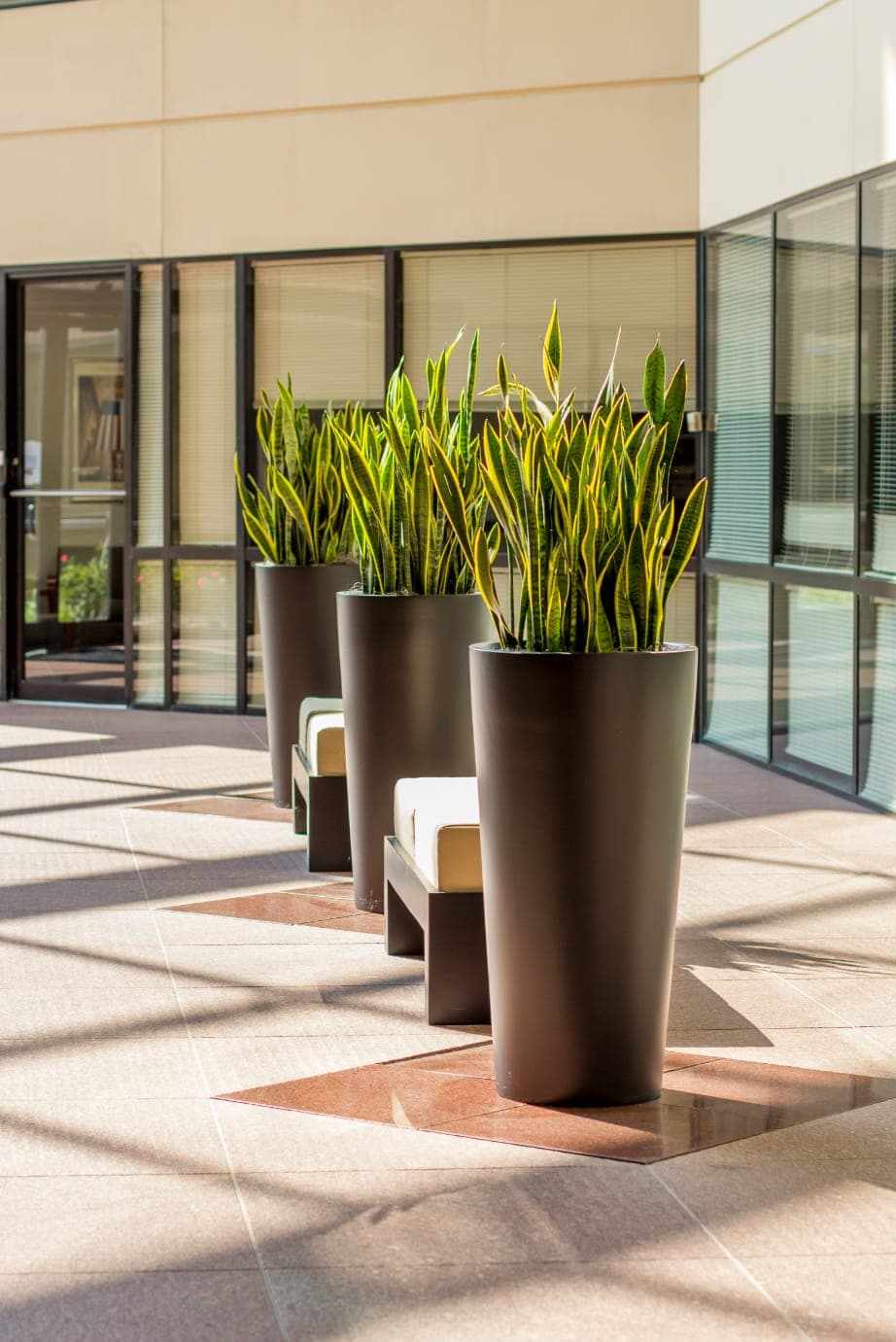
Snake Plant (Sansevieria): Known for its resilience, the snake plant can thrive in low light and is an excellent air purifier.
ZZ Plant (Zamioculcas zamiifolia): Another low-maintenance option, the ZZ plant tolerates a range of lighting conditions and can survive with minimal watering.
Peace Lily (Spathiphyllum): Peace lilies are perfect for low-light environments and have the added benefit of filtering indoor air.
Plants That Need Bright Light
For offices with plenty of natural light, more sun-loving plants can be considered. These plants add color and vibrancy to the workspace and can create a lively and fresh atmosphere.
Fiddle Leaf Fig (Ficus lyrata): This trendy plant features large, dramatic leaves and can thrive in bright, indirect light.
Succulents: With their unique shapes and colors, succulents like aloe vera and jade plants require bright light and minimal water.
Rubber Plant (Ficus elastica): Known for its bold, glossy leaves, the rubber plant is perfect for bright office spaces.
Air-Purifying Plants
As previously mentioned, some plants are especially known for their ability to improve air quality. Including these types of plants in your office not only enhances the aesthetic value but also provides health benefits.
Spider Plant (Chlorophytum comosum): This easy-to-care-for plant excels at removing toxins from the air.
English Ivy (Hedera helix): A versatile plant, English ivy is effective at purifying the air and can be trained to grow along walls or trellises.
Maintaining Interior Plantscaping
Proper care and maintenance are essential to keeping your office plants healthy and thriving. Regular watering, proper sunlight, and occasional fertilization are all important aspects of plant care.
Watering and Pruning
Different plants have different watering needs, so it is essential to be aware of the specific requirements of each species. Overwatering is a common mistake, so it’s important to let the soil dry out between waterings. Pruning dead or yellowing leaves also helps to keep plants looking fresh and healthy.
Hiring Professional Maintenance Services
Many businesses in DC choose to hire professional plantscaping services to maintain their office plants. These experts can help with the installation, regular care, and replacement of plants, ensuring that your office remains green and vibrant without any hassle.
Conclusion
Incorporating DC interior plantscaping into your office space offers numerous benefits, from improving employee well-being to enhancing air quality and boosting productivity. By carefully selecting the right plants and maintaining them properly, businesses can transform their workspace into a more vibrant and inviting environment. Investing in interior plantscaping not only enhances the aesthetic appeal of your office but also supports a healthier, more sustainable workspace.
For businesses looking to bring the beauty and benefits of greenery into their office, Interior Plantscapes offers expert services in designing and maintaining interior plant displays. With a focus on creating customized green spaces that align with the needs and style of your office, they provide comprehensive solutions for all your plantscaping needs.




Write a comment ...