
Creating a lush, green environment inside your home can not only elevate the aesthetic appeal of your space but also improve your well-being. Interior plantscapes, which involve the art of decorating with indoor plants, are a great way to add vibrancy, freshness, and a sense of tranquility to any room. With the right choice of plants, placement, and care, you can transform your home into a beautiful and peaceful green haven. This guide will help you explore the benefits, design principles, and best practices for creating an interior plantscapes that suits your needs.
The Benefits of Interior Plantscapes
Enhancing Aesthetic Appeal
One of the primary reasons people incorporate plants into their interiors is the aesthetic benefit. Greenery adds a natural, calming touch that can complement various design styles. Whether your home is modern, minimalist, bohemian, or rustic, interior plantscapes can enhance your space by adding texture, color, and life.
Improving Air Quality
Plants are known for their ability to purify the air by absorbing carbon dioxide and releasing oxygen. Certain plants, like peace lilies and spider plants, are particularly effective at removing toxins and improving indoor air quality. By introducing these plants into your home, you can enjoy fresher air and create a healthier living environment.
Boosting Mental Health
Studies have shown that spending time around indoor plants can reduce stress and anxiety, improve mood, and boost overall mental well-being. The presence of plants has been linked to increased productivity, concentration, and creativity. Incorporating greenery into your daily environment helps create a peaceful, nurturing space that promotes relaxation and mental clarity.
Enhancing Humidity Levels
Indoor plants also help to maintain humidity levels within the home. During dry seasons or in air-conditioned environments, plants can release moisture into the air, which benefits your skin, respiratory system, and overall comfort. This is especially important in homes with sensitive air quality, such as those with pets or young children.
Selecting the Right Plants for Your Interior Plantscape
Choosing the right plants for your interior plantscape is essential to creating a successful green environment. Not all plants are suitable for indoor settings, and factors like light, temperature, and humidity levels must be considered when selecting the right species.
Light Requirements
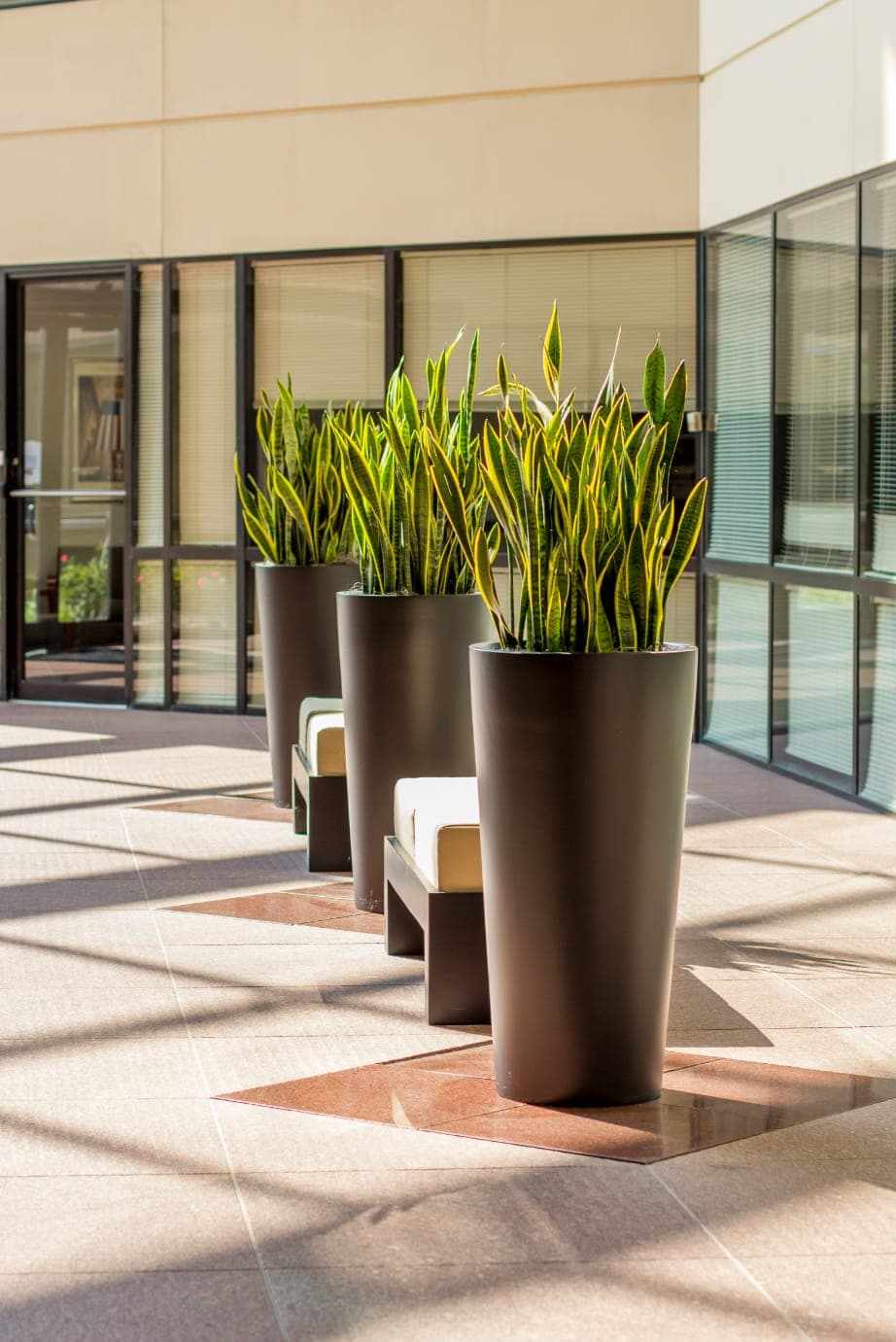
One of the most important considerations when choosing indoor plants is the amount of natural light available in your home. Some plants thrive in bright, direct sunlight, while others prefer low-light conditions. Plants like succulents and cacti require plenty of direct sunlight, while varieties such as ferns, snake plants, and pothos can tolerate lower light levels.
Low-Light Plants:
Snake plant (Sansevieria)
ZZ plant (Zamioculcas zamiifolia)
Pothos (Epipremnum aureum)
Bright-Light Plants:
Succulents (e.g., Echeveria, Aloe Vera)
Fiddle Leaf Fig (Ficus lyrata)
Citrus trees (e.g., lemon, lime)
Size and Space
When designing your interior plantscape, consider the size of both the plants and the space where they will be placed. For smaller spaces, opt for compact plants such as succulents or small palms. Larger plants like rubber plants, fiddle leaf figs, or indoor trees can be used to create a statement piece or fill empty corners.
Maintenance and Care
Some plants require more attention than others. If you’re new to plant care, choose low-maintenance plants that are forgiving if you forget to water them occasionally. Plants like snake plants, peace lilies, and pothos are easy to care for and can tolerate a range of conditions.
Low-Maintenance Plants:
Snake plant
Pothos
Peace lily
High-Maintenance Plants:
Orchids
Fiddle leaf fig
Bonsai trees
Designing Your Interior Plantscape
Once you've selected your plants, the next step is arranging them in your home. An interior plantscape should not only reflect your personal style but also make the most of the available space. Here are some tips for designing an interior plantscape that works for your space:
Create Layered Heights
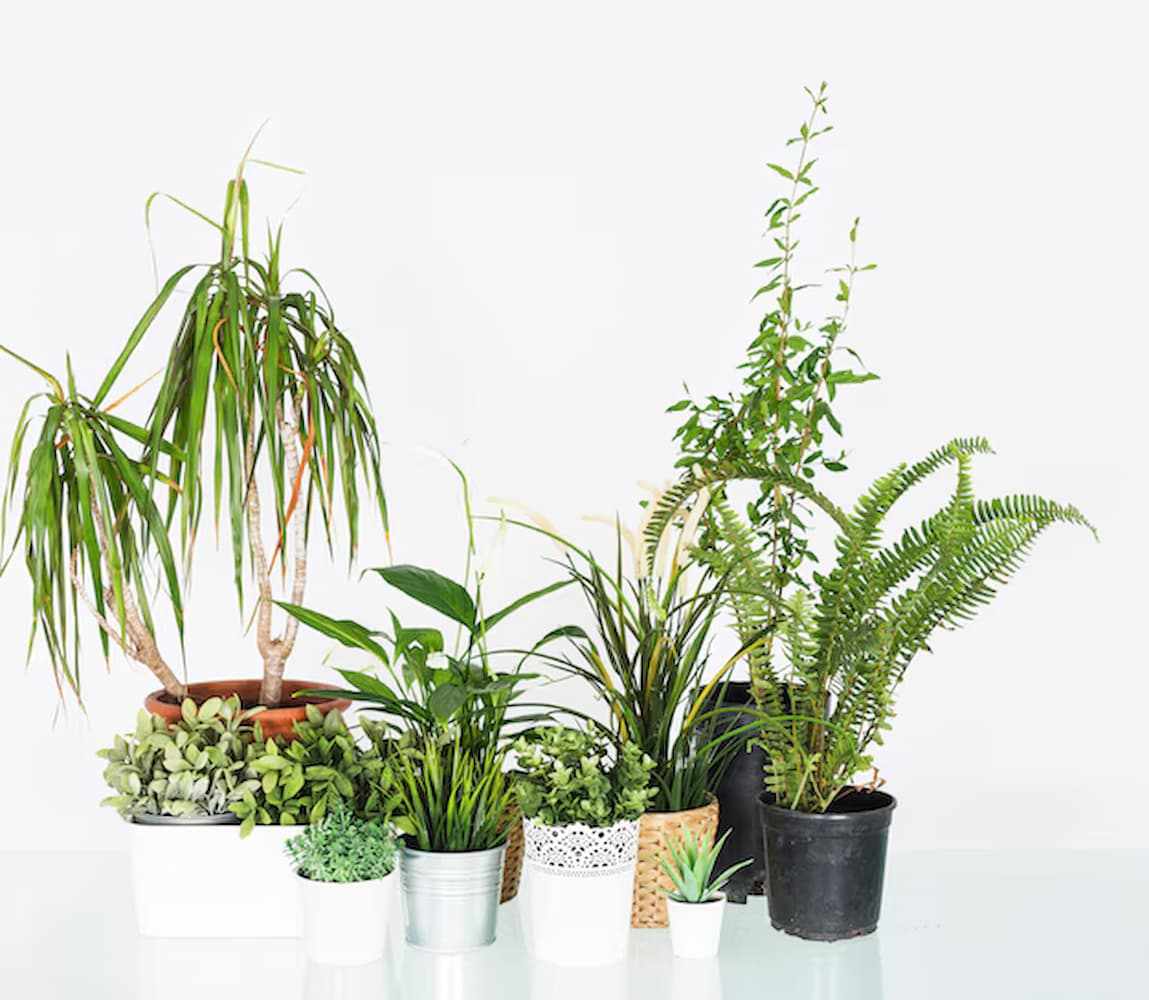
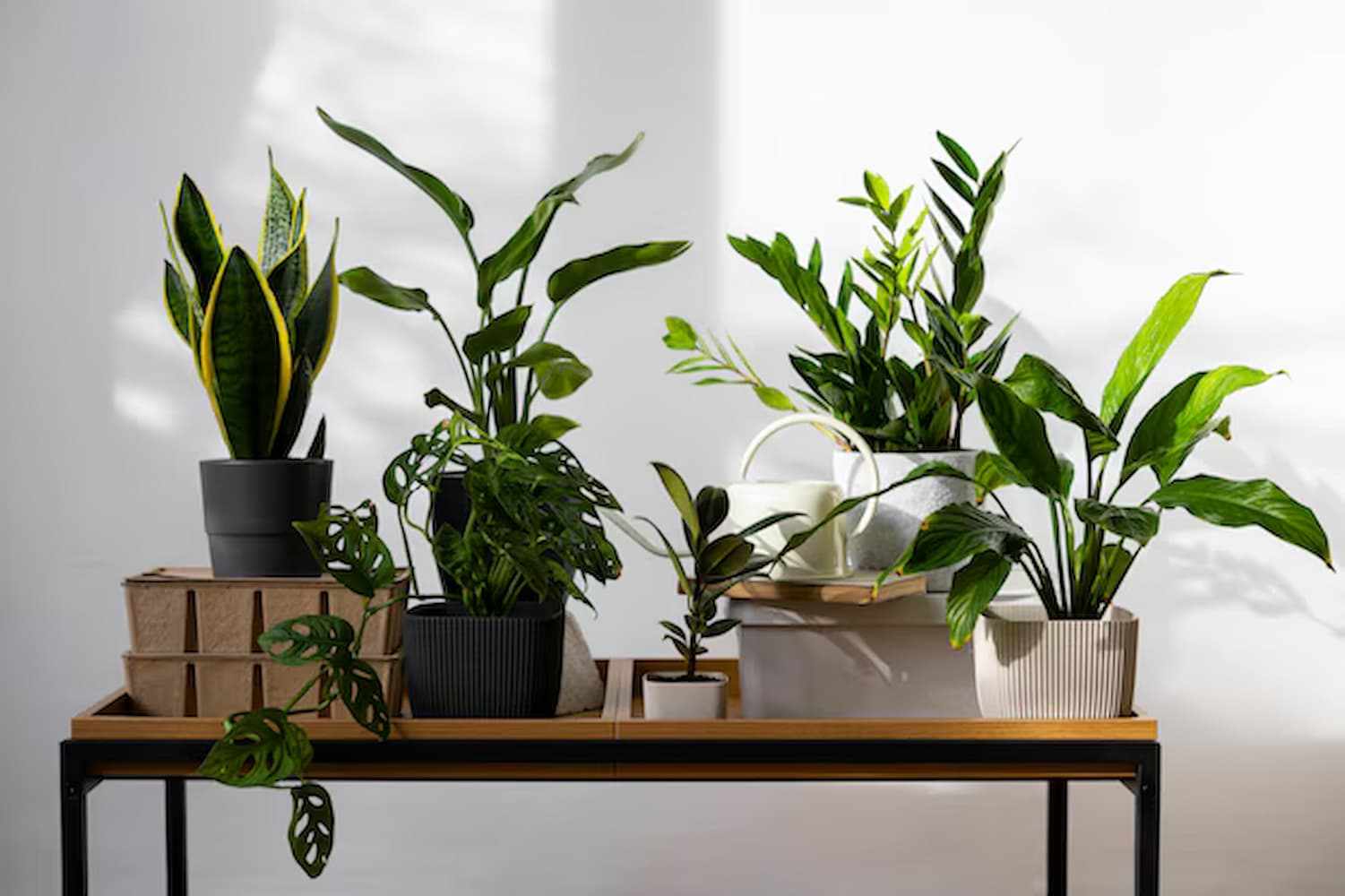
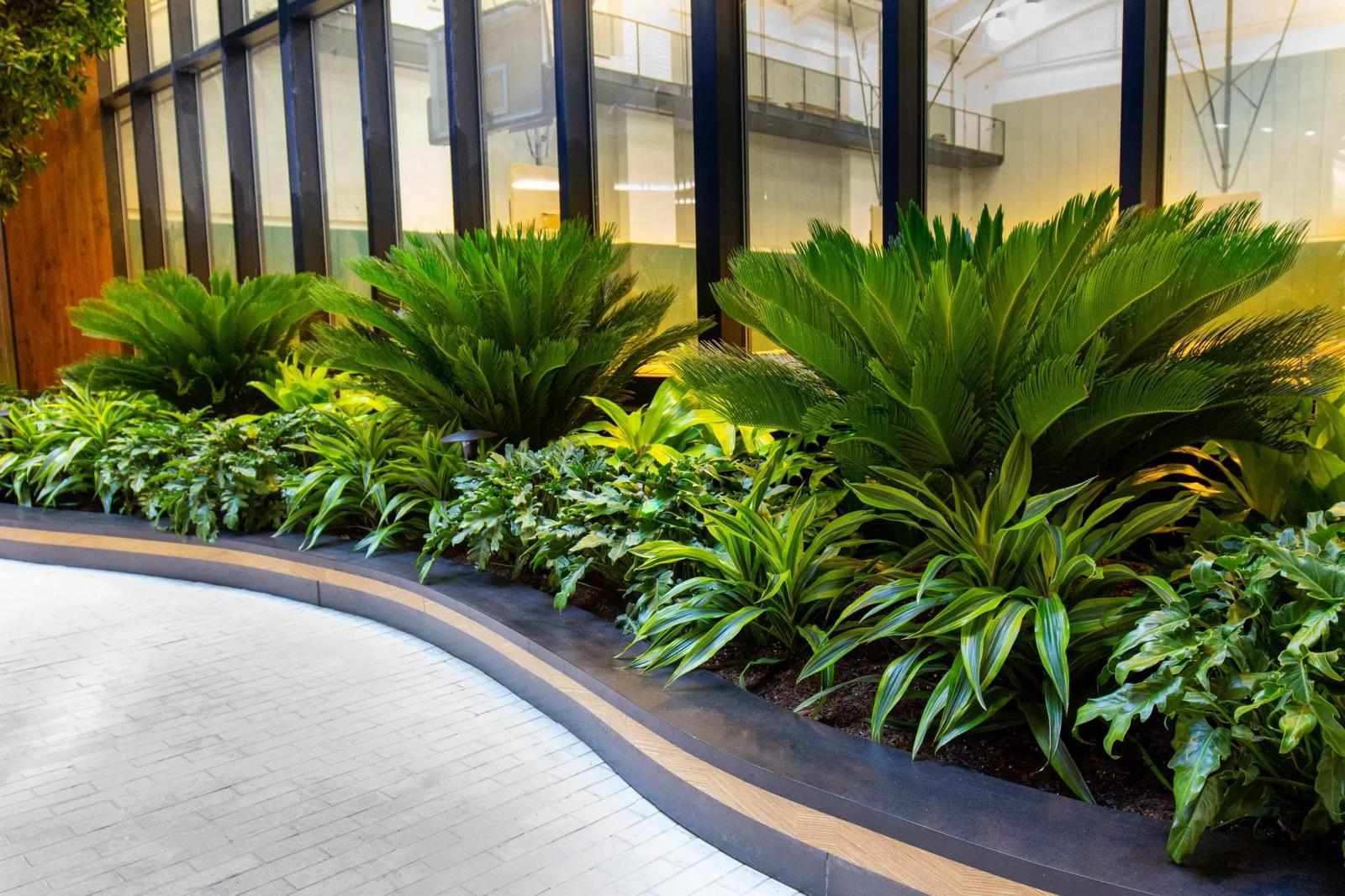
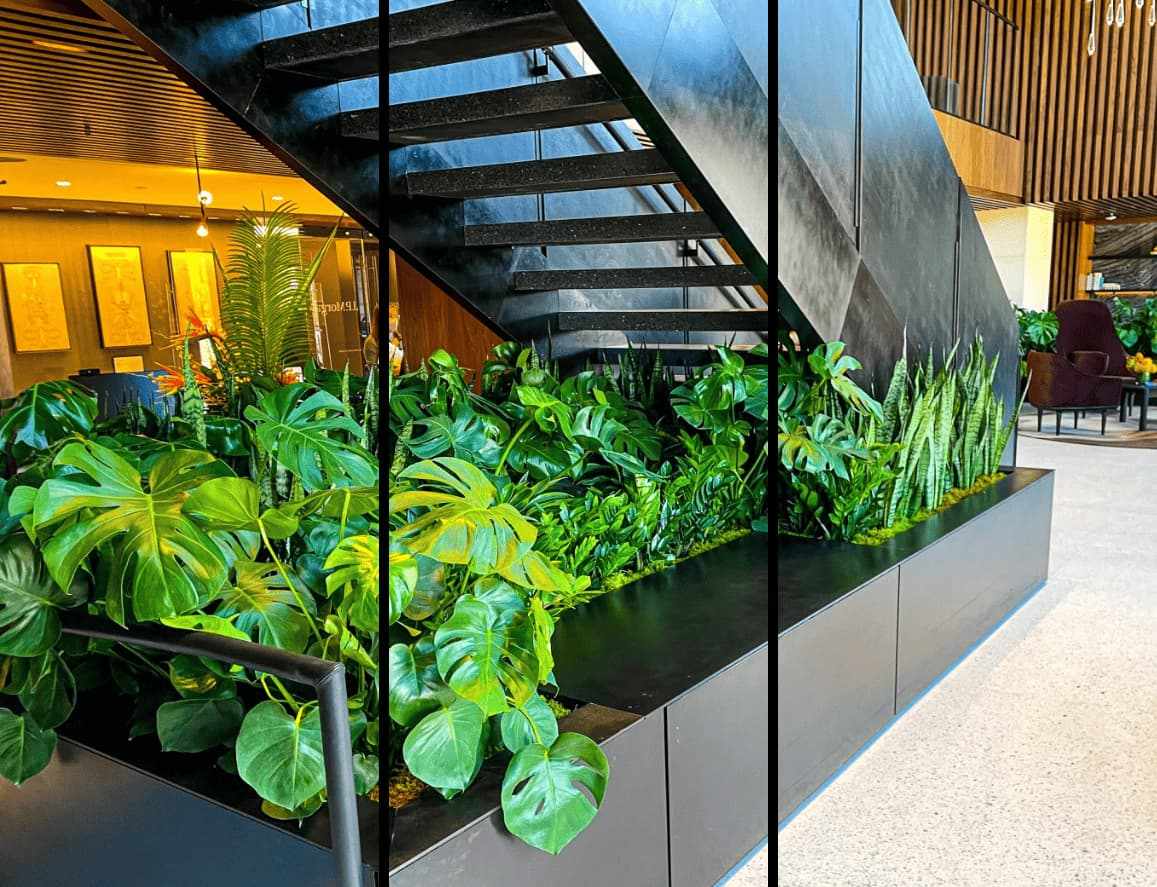
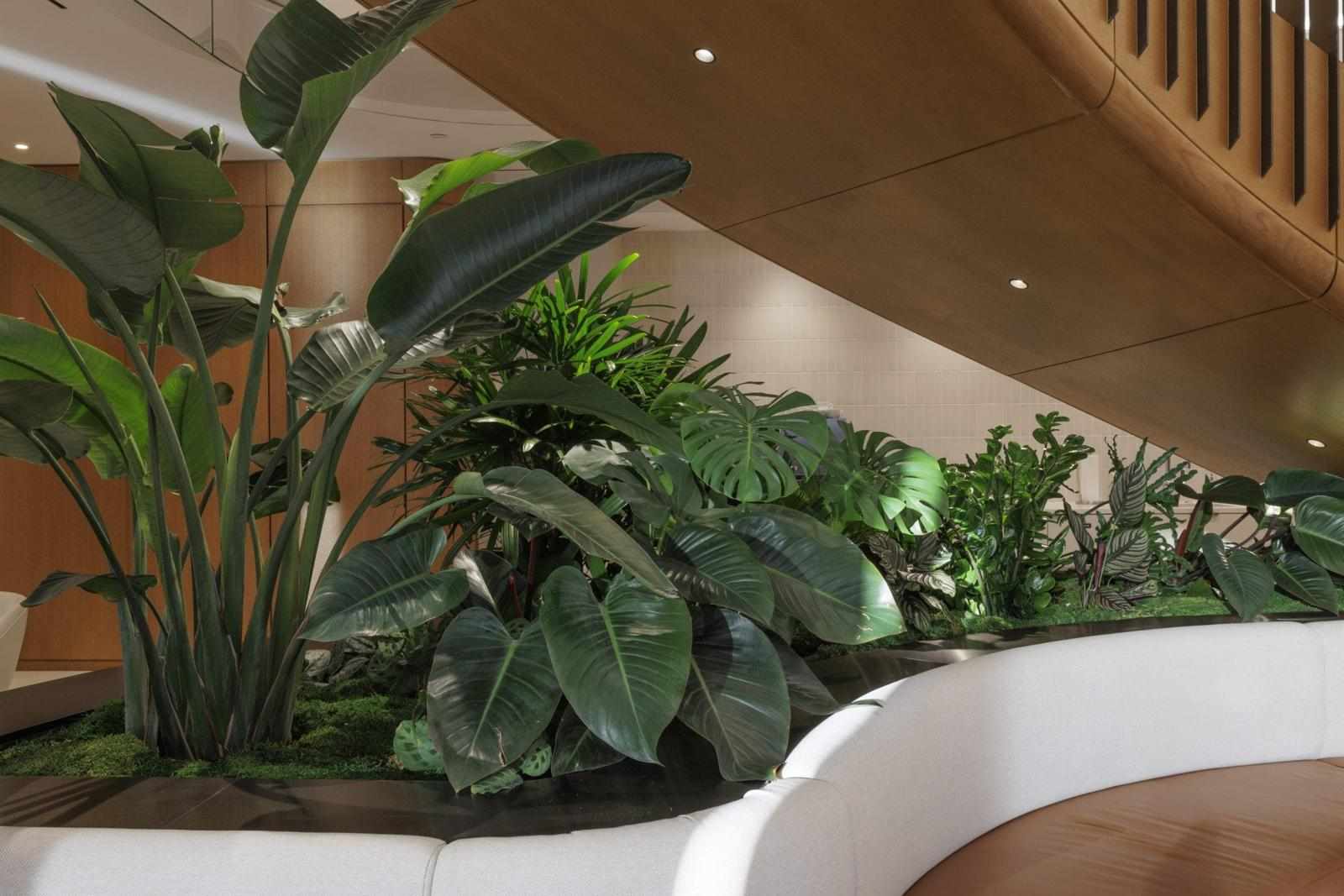
One way to create visual interest is by varying the height of your plants. Place taller plants, such as palm trees or fiddle leaf figs, in corners or against empty walls. Mix them with medium-sized plants, like pothos or peace lilies, in the middle, and finish off with smaller plants, such as succulents or herbs, on tables, shelves, or windowsills. Layering the plants in this way creates depth and dimension in your space.
Incorporate Planters and Containers
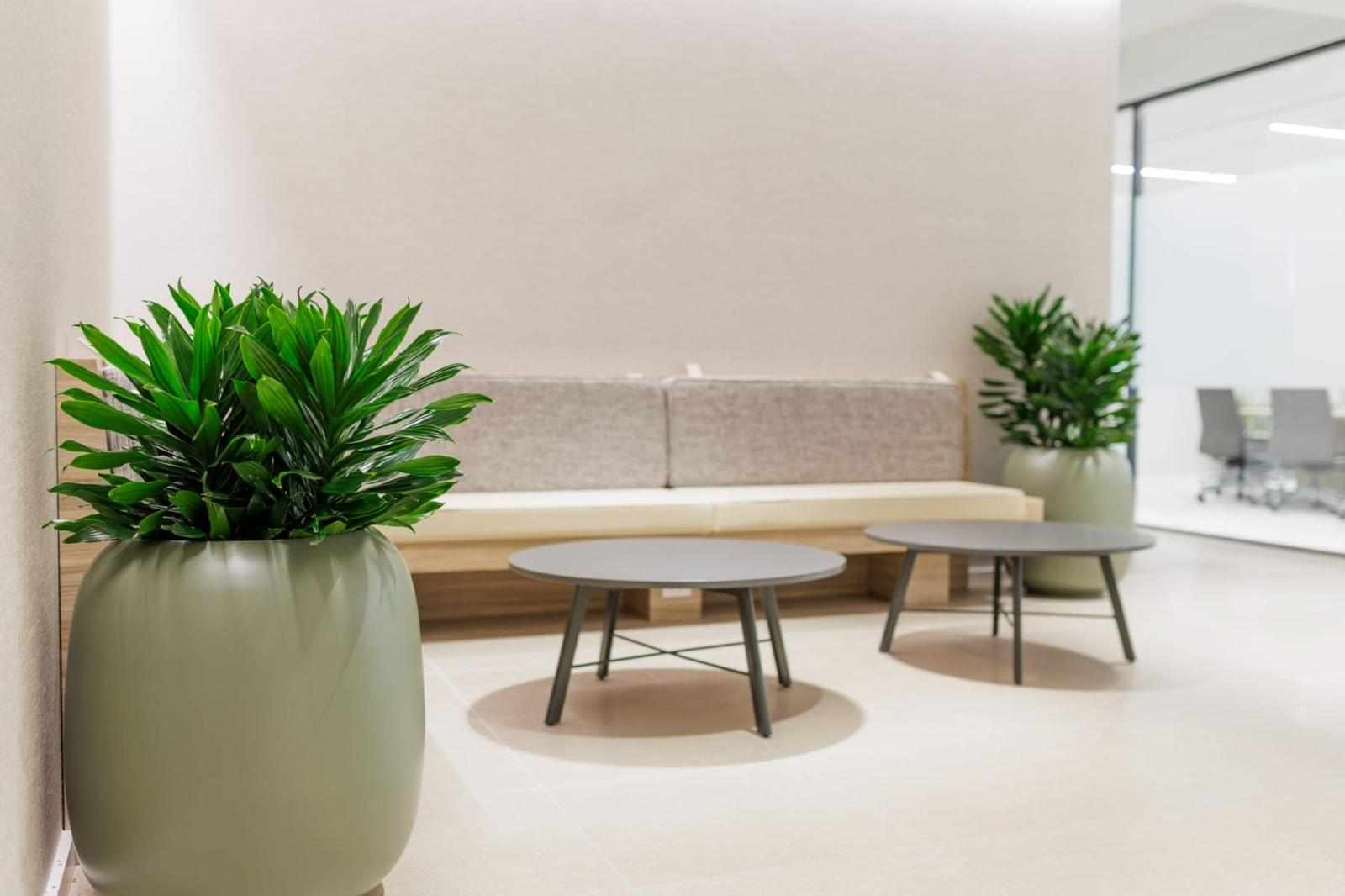
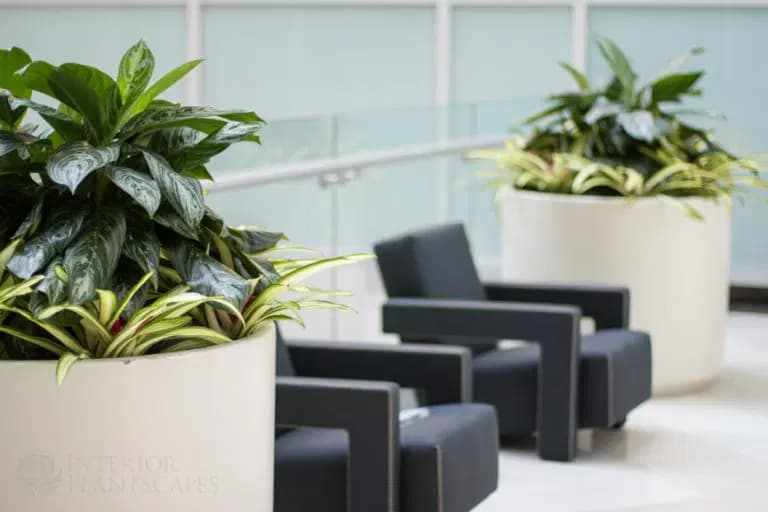
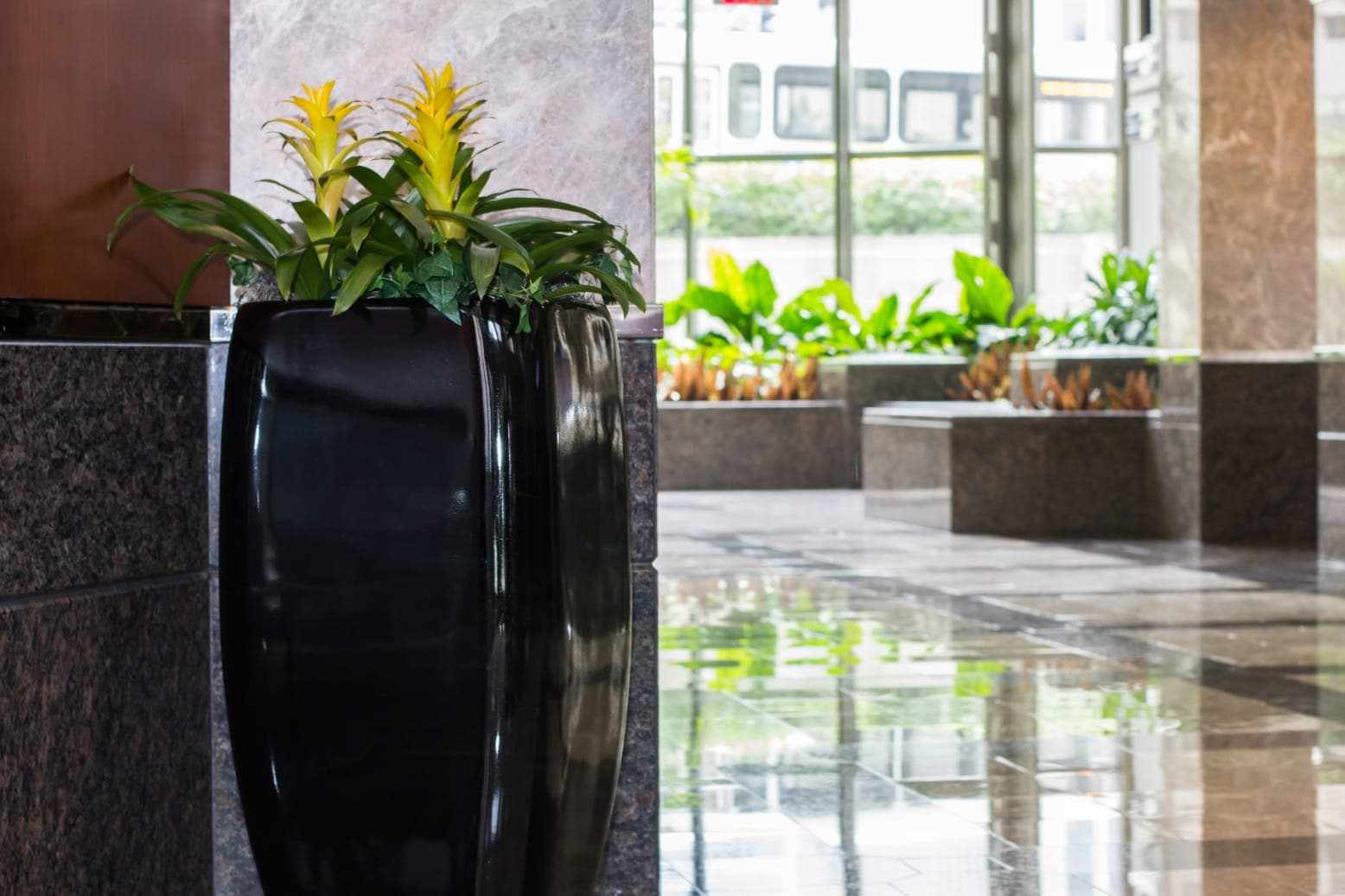
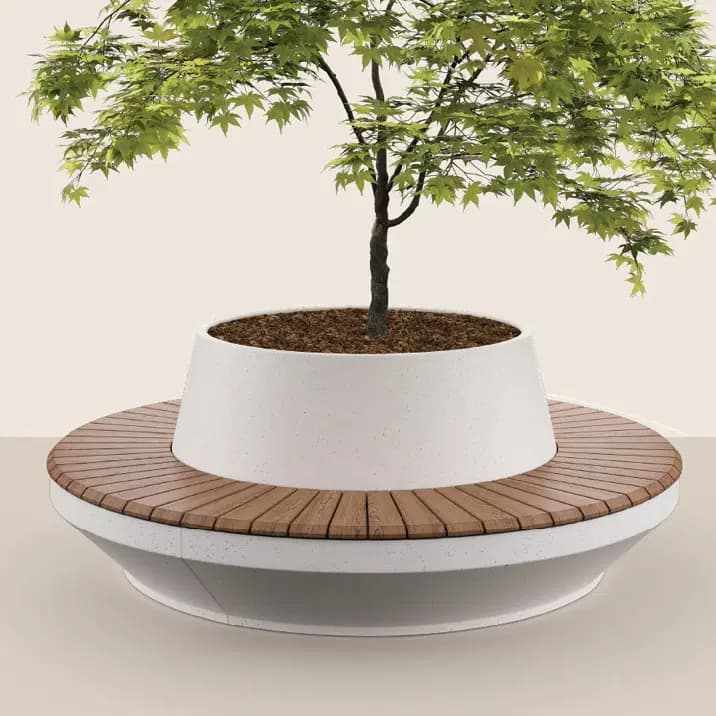
The containers you choose for your plants can also enhance the overall design of your plantscape. From sleek, modern pots to rustic, ceramic planters, the right container can complement your home’s style. You can experiment with different materials, such as wood, concrete, or woven baskets, to create a variety of textures. Grouping plants in similar pots or mixing and matching various shapes can also add to the charm of your interior.
Mix Plants with Other Decor Elements
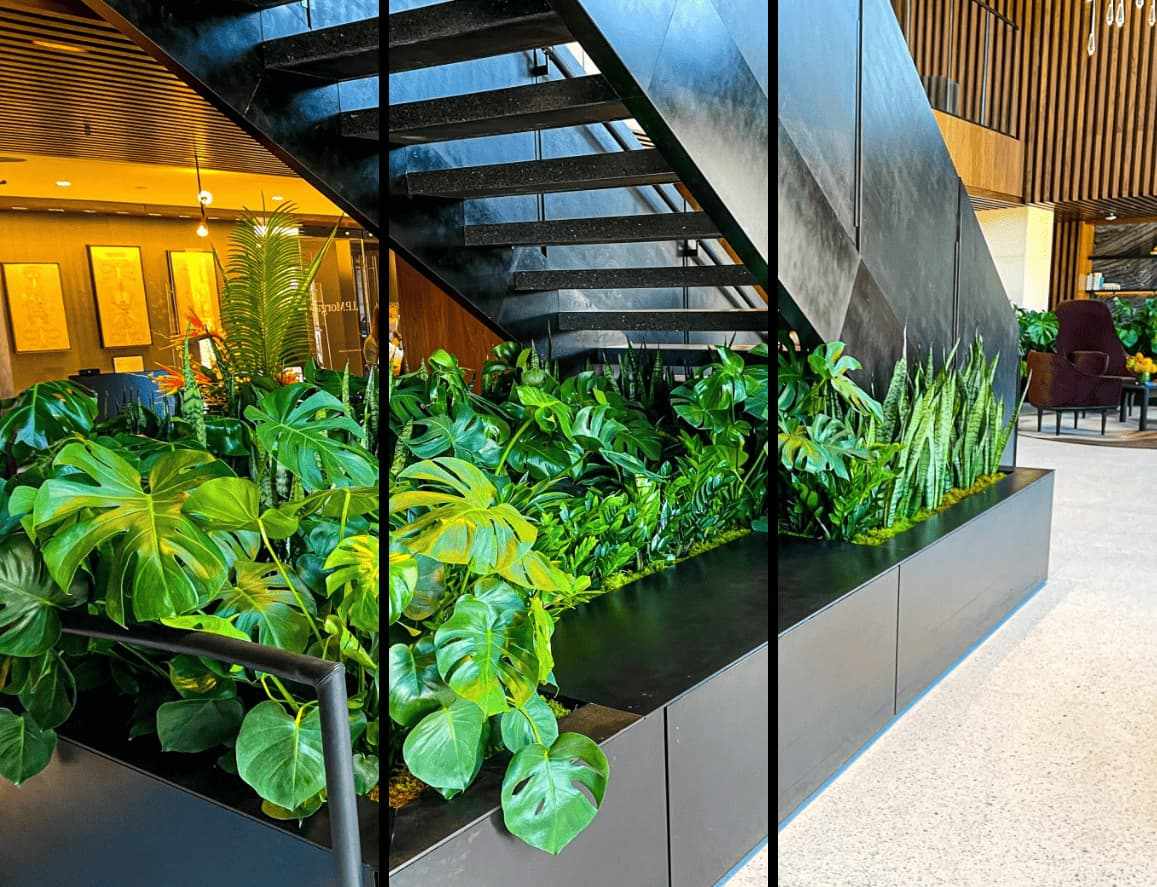
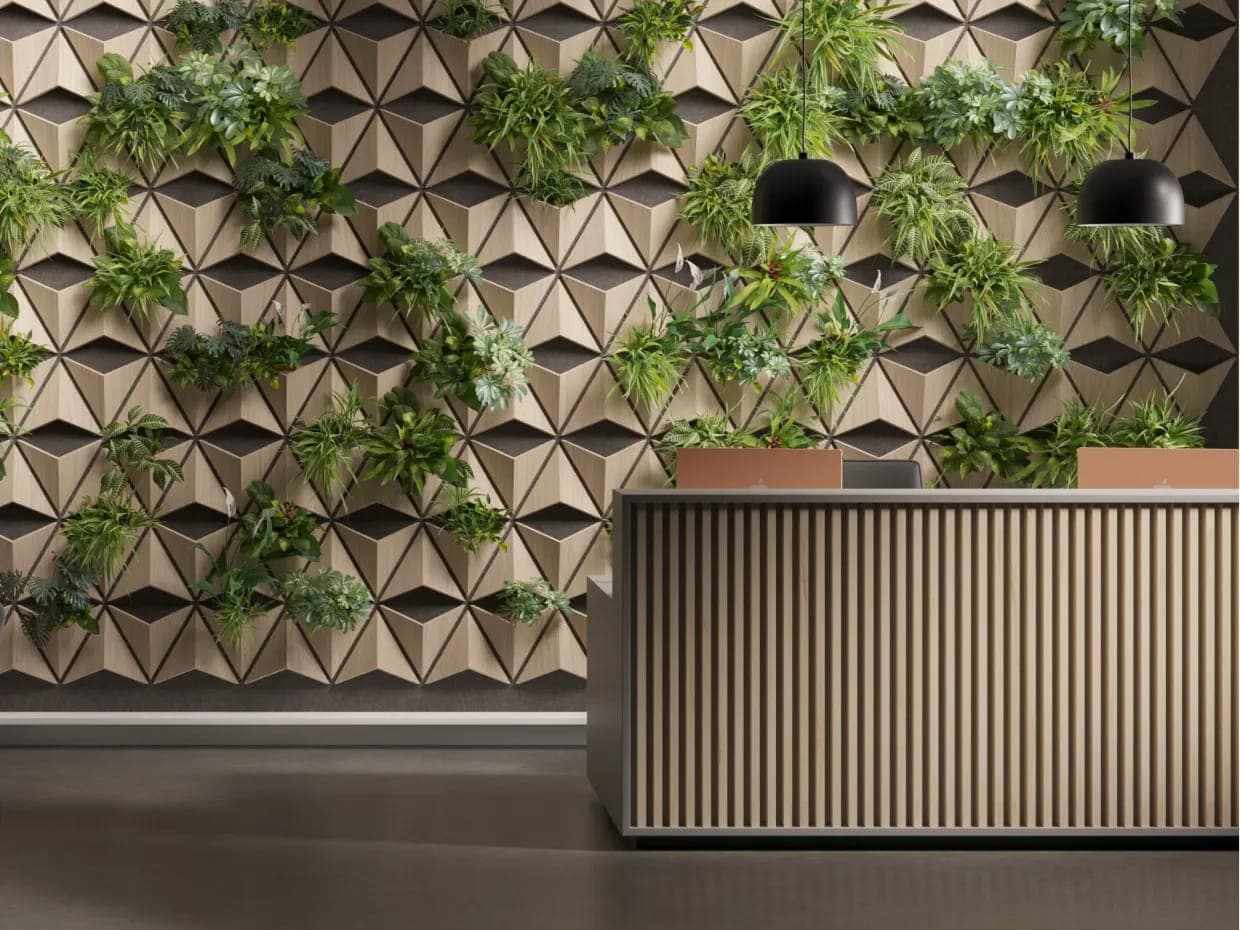
Interior plantscapes don’t have to be limited to just plants. You can combine your greenery with other home decor elements to create a harmonious atmosphere. Place plants near bookshelves, side tables, or on top of cabinets to seamlessly integrate them into your living space. Pair plants with decorative items such as candles, sculptures, or throw pillows to create a balanced, inviting environment.
Use Plants for Room Zoning
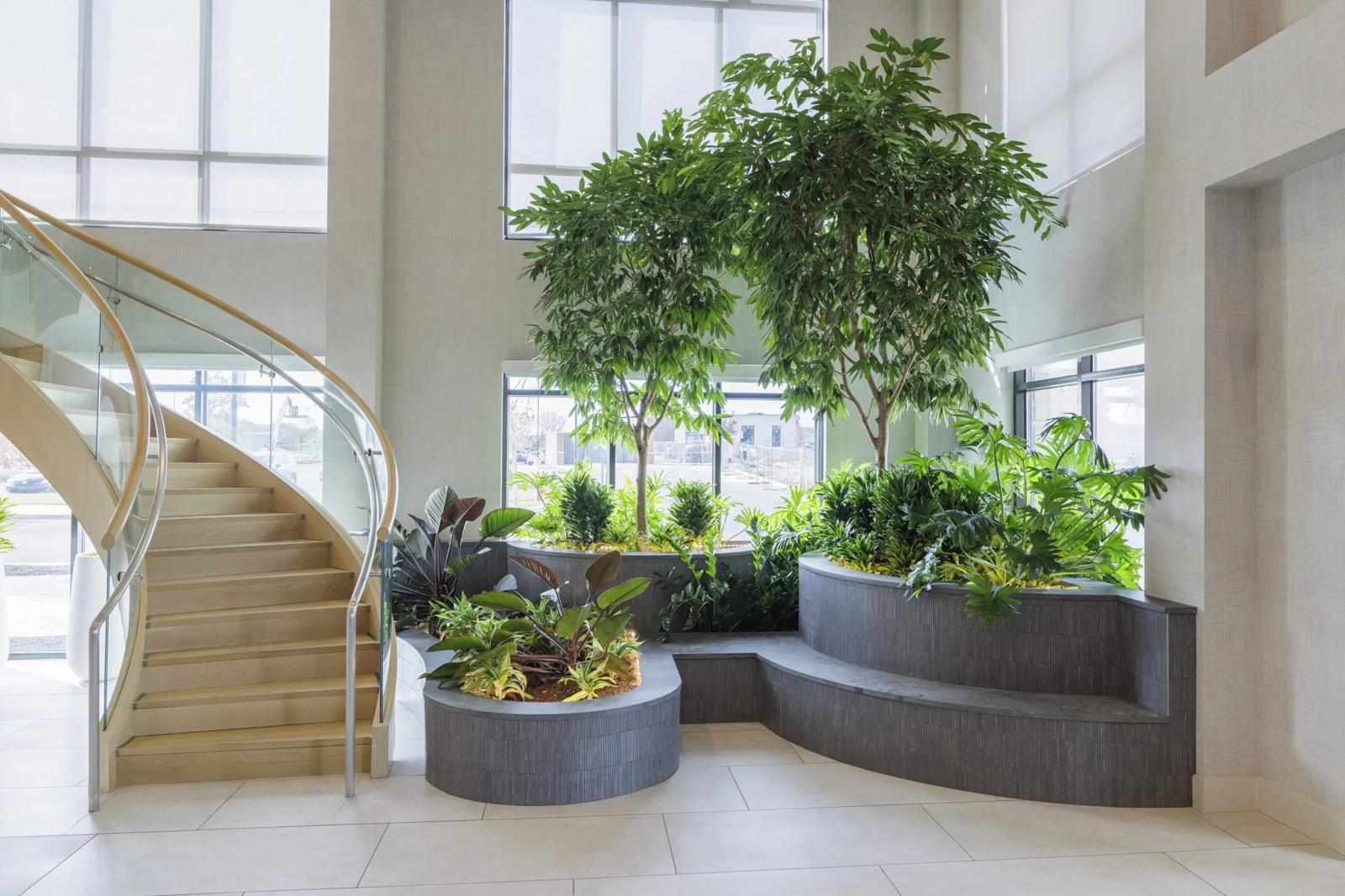
Plants are excellent tools for defining different areas within an open-plan space. Use large plants to divide a living area from a dining area, or place tall plants near windows to create a natural barrier between indoor and outdoor spaces. You can even use plants to frame a particular view, such as placing smaller plants around a picture window.
Caring for Your Interior Plantscape
To maintain a thriving interior plantscape, regular care and attention are necessary. Although some plants are low-maintenance, all plants need water, light, and occasional pruning to stay healthy and vibrant.
Watering
Overwatering is a common mistake when caring for indoor plants. Be sure to check the moisture levels of the soil before watering, and adjust your watering schedule depending on the type of plant. Most indoor plants prefer to dry out slightly between waterings, but certain plants, such as ferns and peace lilies, may need more frequent watering.
Fertilizing
Indoor plants benefit from occasional feeding, especially during their growing season. Use a balanced, water-soluble fertilizer to provide the necessary nutrients, and avoid over-fertilizing, as this can lead to burned roots or stunted growth. Fertilize your plants every four to six weeks during the spring and summer months, and reduce feeding in the winter when most plants are dormant.
Pruning and Maintenance
Regular pruning helps promote healthy growth and keeps your plants looking neat. Remove dead or yellowing leaves, and trim any overgrown branches to encourage new growth. Be mindful of pests, such as aphids or spider mites, and take care to treat any infestations promptly.
Conclusion
An interior plantscape is an excellent way to bring life and freshness into your home. By carefully selecting the right plants, designing a balanced layout, and providing proper care, you can create a peaceful green haven that enhances both the beauty and health of your living space. Whether you're looking for low-maintenance greenery or a stunning statement plant, there are countless options to suit your needs.





Write a comment ...