
In recent years, businesses have become increasingly aware of the importance of creating work environments that boost productivity, morale, and creativity. One highly effective way to achieve this is through plantscaping. By strategically integrating plants into office spaces, businesses can foster a more pleasant and productive atmosphere for their employees. This article explores how plantscaping can enhance a workspace environment, its benefits, and practical ways to incorporate plants into the office.
What is Plantscaping?
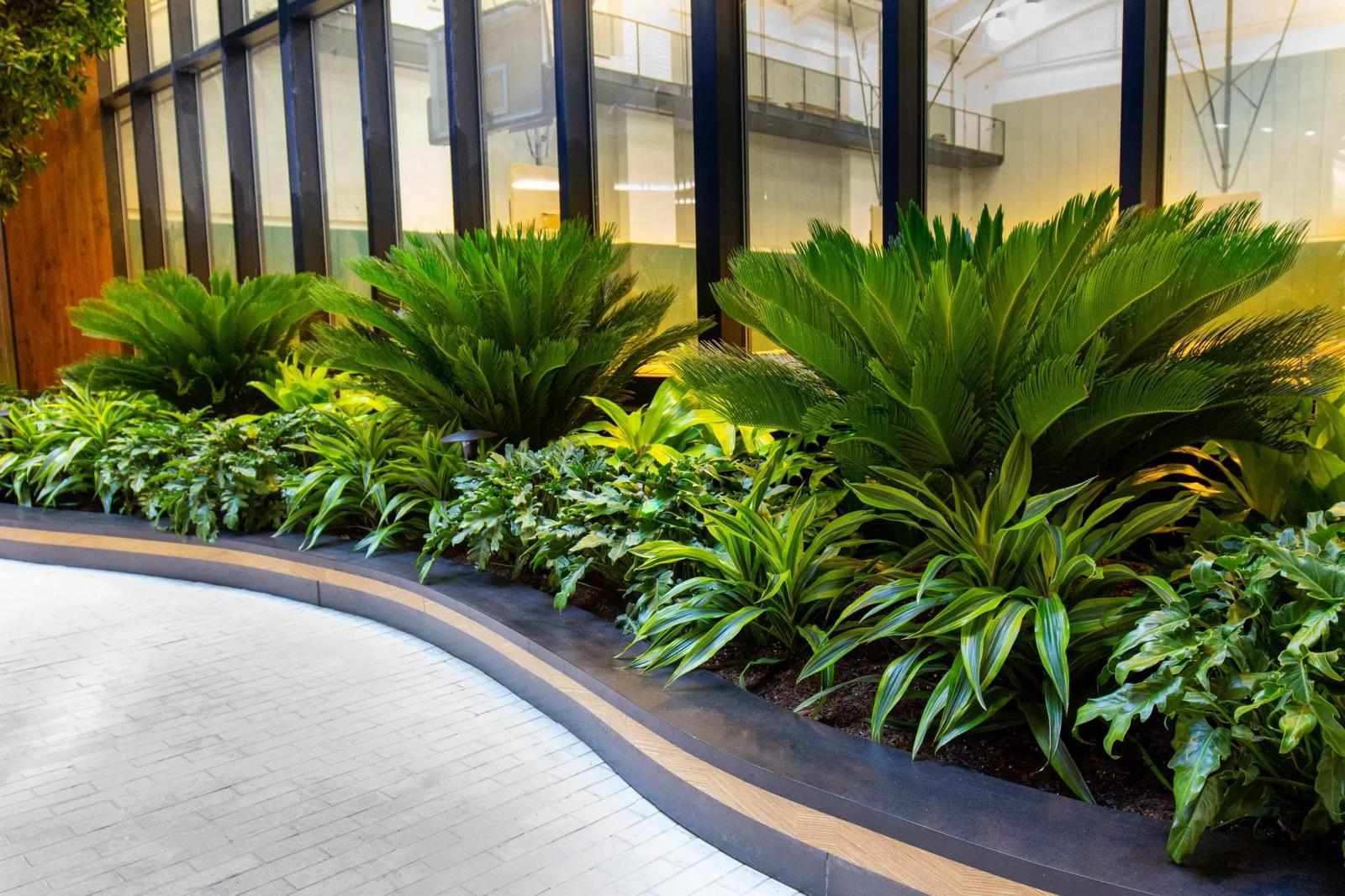
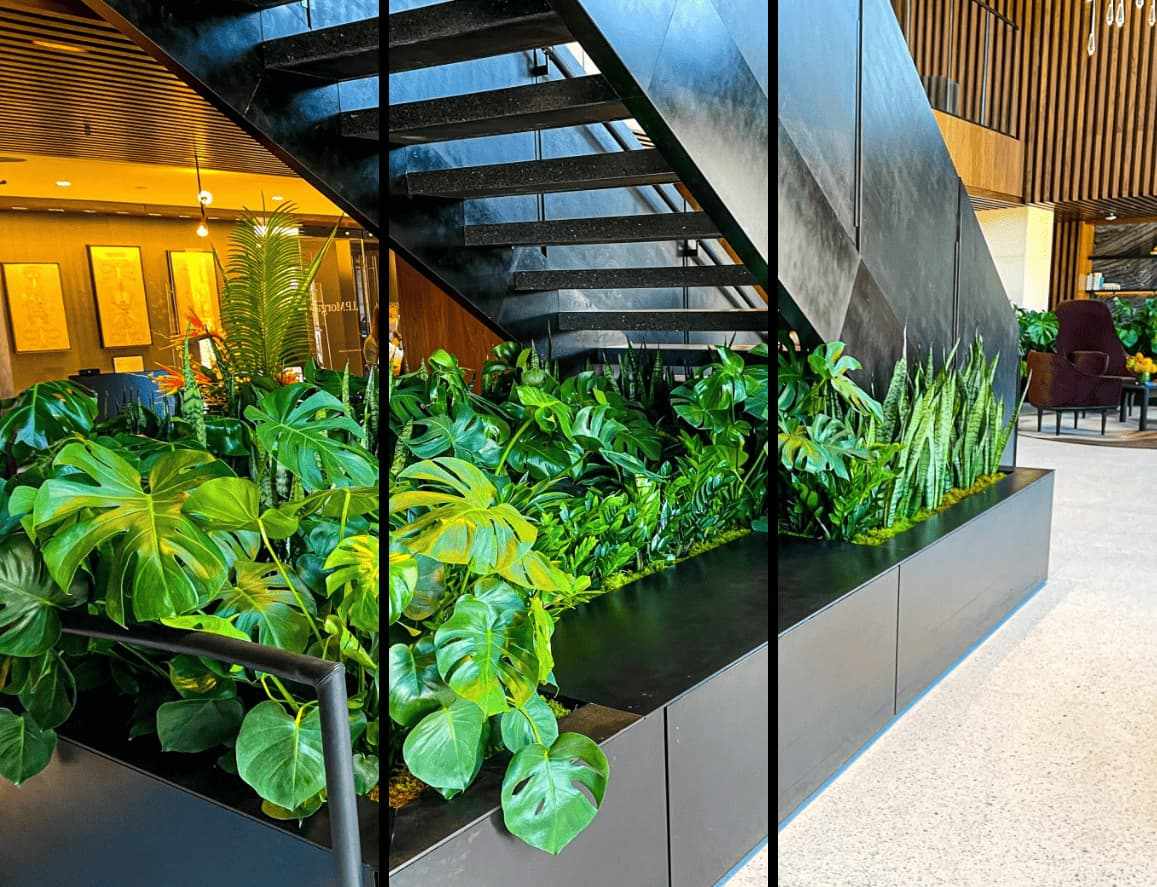
Plantscaping refers to the design and arrangement of plants in indoor spaces to enhance the aesthetic appeal and functional quality of the environment. Unlike simply placing a few potted plants here and there, plantscaping involves thoughtful consideration of the types, sizes, and placement of plants within a space. The goal is to create an environment that supports well-being while complementing the design and purpose of the space.
The Psychological and Physical Benefits of Plantscaping
Reducing Stress and Improving Mood
Research has consistently shown that the presence of plants in a workspace can reduce stress and improve mood. The natural elements in plants provide a calming effect, helping employees feel more relaxed and less overwhelmed. In fact, studies have demonstrated that employees who work in spaces with plants are often more satisfied with their work environment and experience less fatigue.
Boosting Productivity and Focus
Incorporating plants into an office space can also lead to significant improvements in productivity. Plants help purify the air, reducing the presence of indoor pollutants, which can cause distractions and negatively impact focus. The presence of greenery can also contribute to better cognitive function. A study conducted by the University of Queensland found that employees working in environments with plants reported increased concentration and enhanced problem-solving abilities.
Enhancing Creativity
Another benefit of plantscaping is its positive impact on creativity. The natural elements in an office provide a break from the often monotonous and rigid atmosphere of traditional workspaces. Plants can stimulate the mind and offer inspiration, leading to more innovative thinking and a greater sense of mental clarity. This can be particularly valuable in workplaces that encourage brainstorming, design, or other creative activities.
How to Incorporate Plantscaping Into Your Workspace
1. Assess the Space
The first step in any plantscaping project is assessing the space. Consider the size of the room, the available natural light, and the existing design elements. It's essential to choose plants that can thrive in the specific conditions of the workspace. For example, some plants require direct sunlight, while others can tolerate low light conditions. Take note of any areas that could benefit from greenery, such as entryways, conference rooms, or open office areas.
2. Choose the Right Plants
The next step is selecting the appropriate plants for the space. Different plants have varying needs, so it’s crucial to consider factors such as lighting, temperature, and humidity levels. Here are some popular plant options for office spaces:
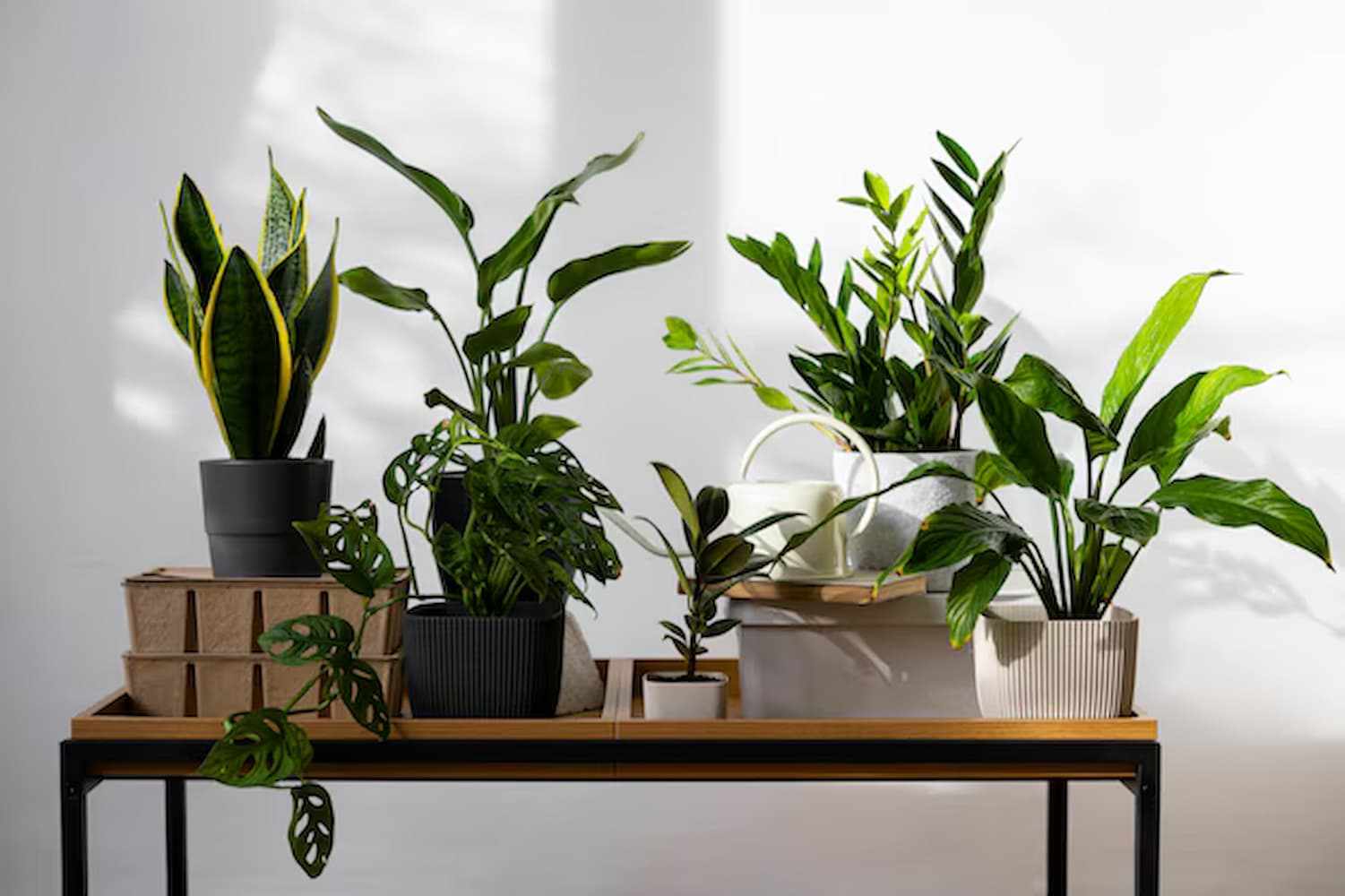
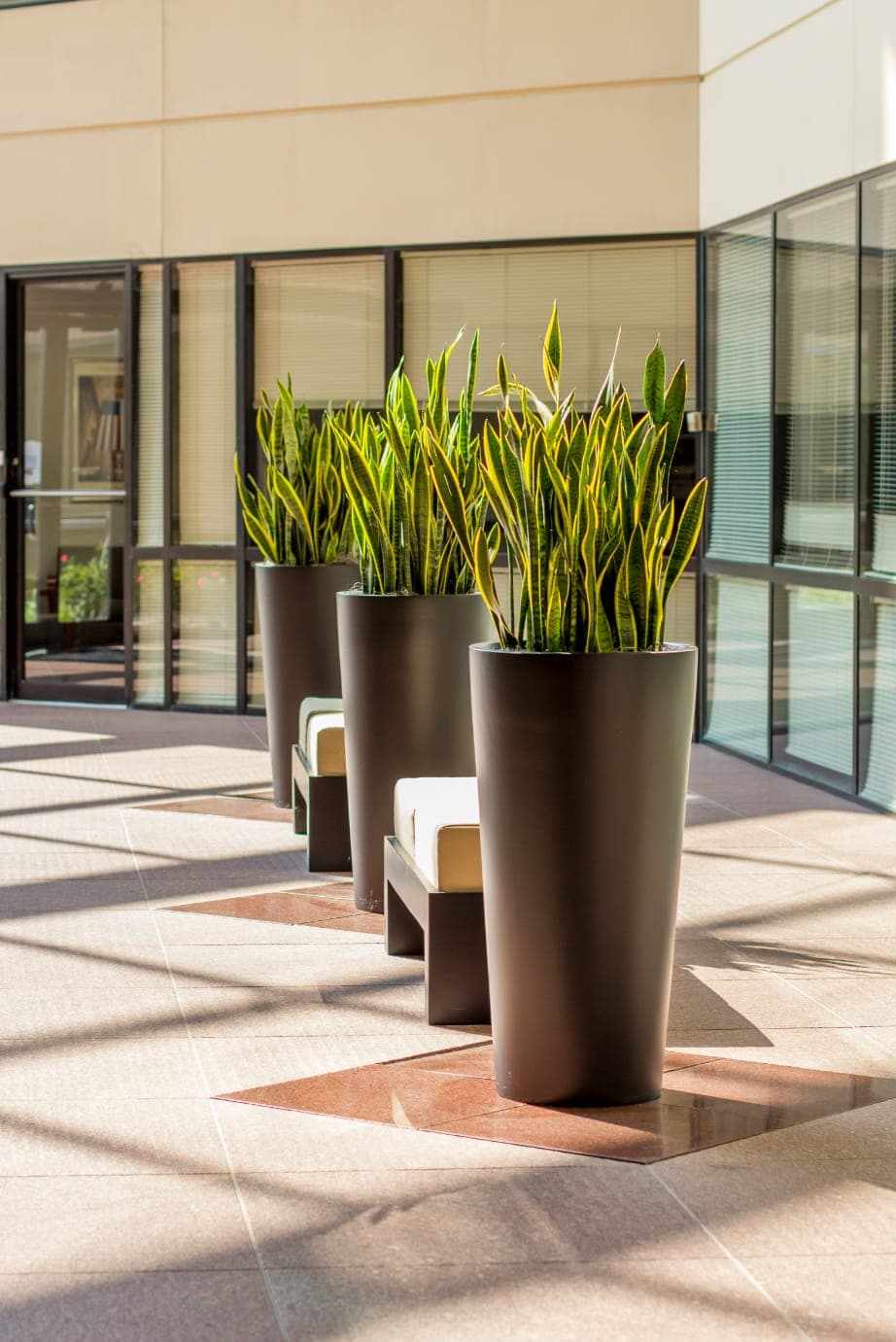
Snake Plant (Sansevieria): Known for its resilience, the snake plant is perfect for low-light environments. It's also a great air purifier, making it an excellent choice for offices.
Spider Plant (Chlorophytum comosum): This plant is easy to maintain and thrives in indirect light. Its long, arching leaves make it an attractive addition to any office.
Pothos (Epipremnum aureum): With its trailing vines, pothos can be placed on shelves or hung from the ceiling. It’s hardy and thrives in a variety of conditions.
Peace Lily (Spathiphyllum): Ideal for low-light areas, peace lilies are beautiful plants with white blooms. They also help improve air quality by removing toxins from the air.
3. Create Focal Points with Statement Plants
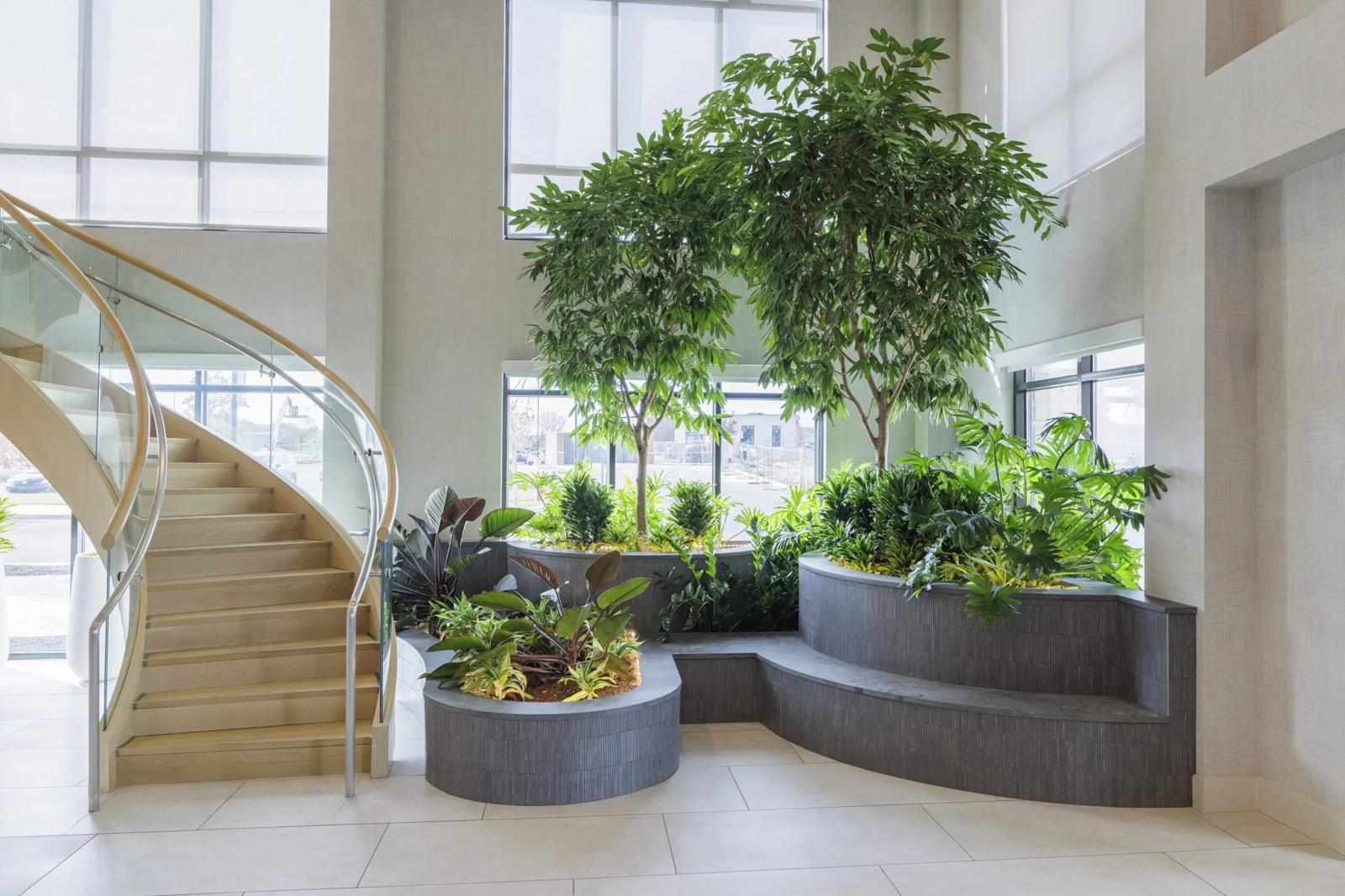
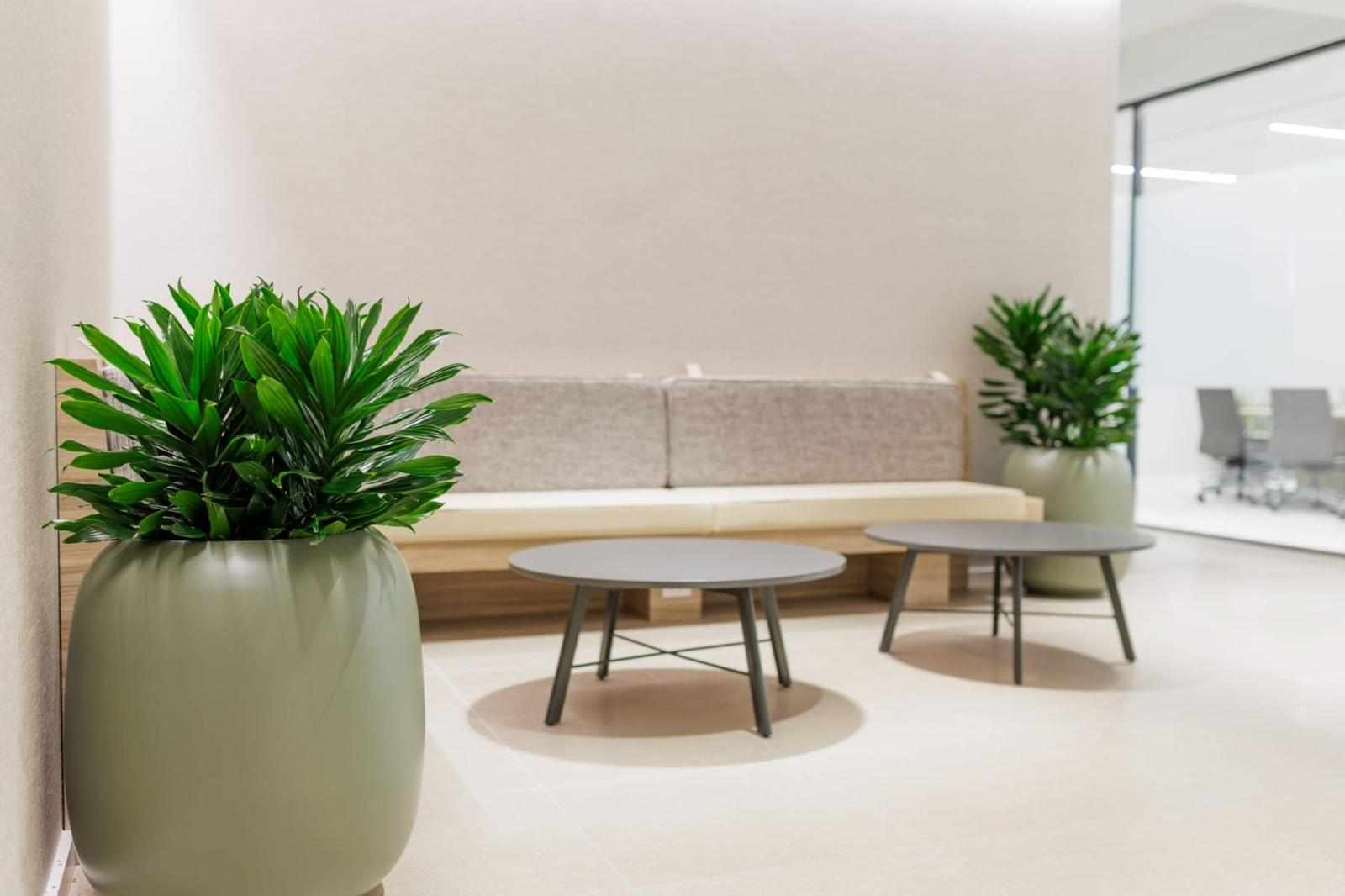
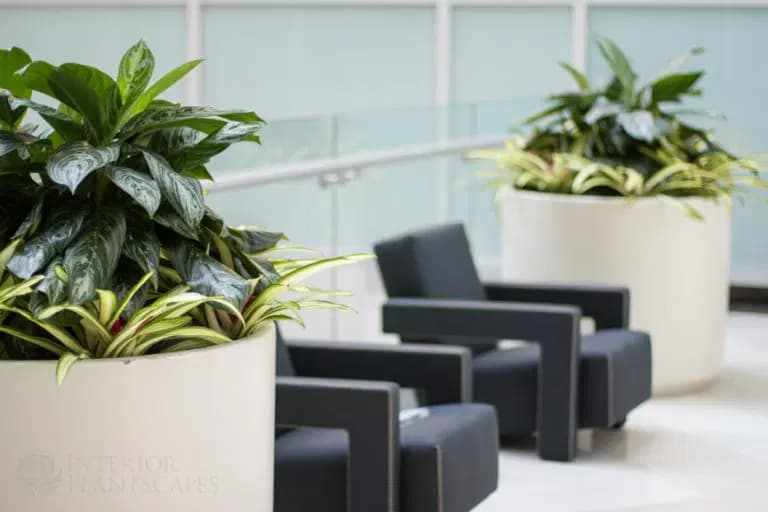
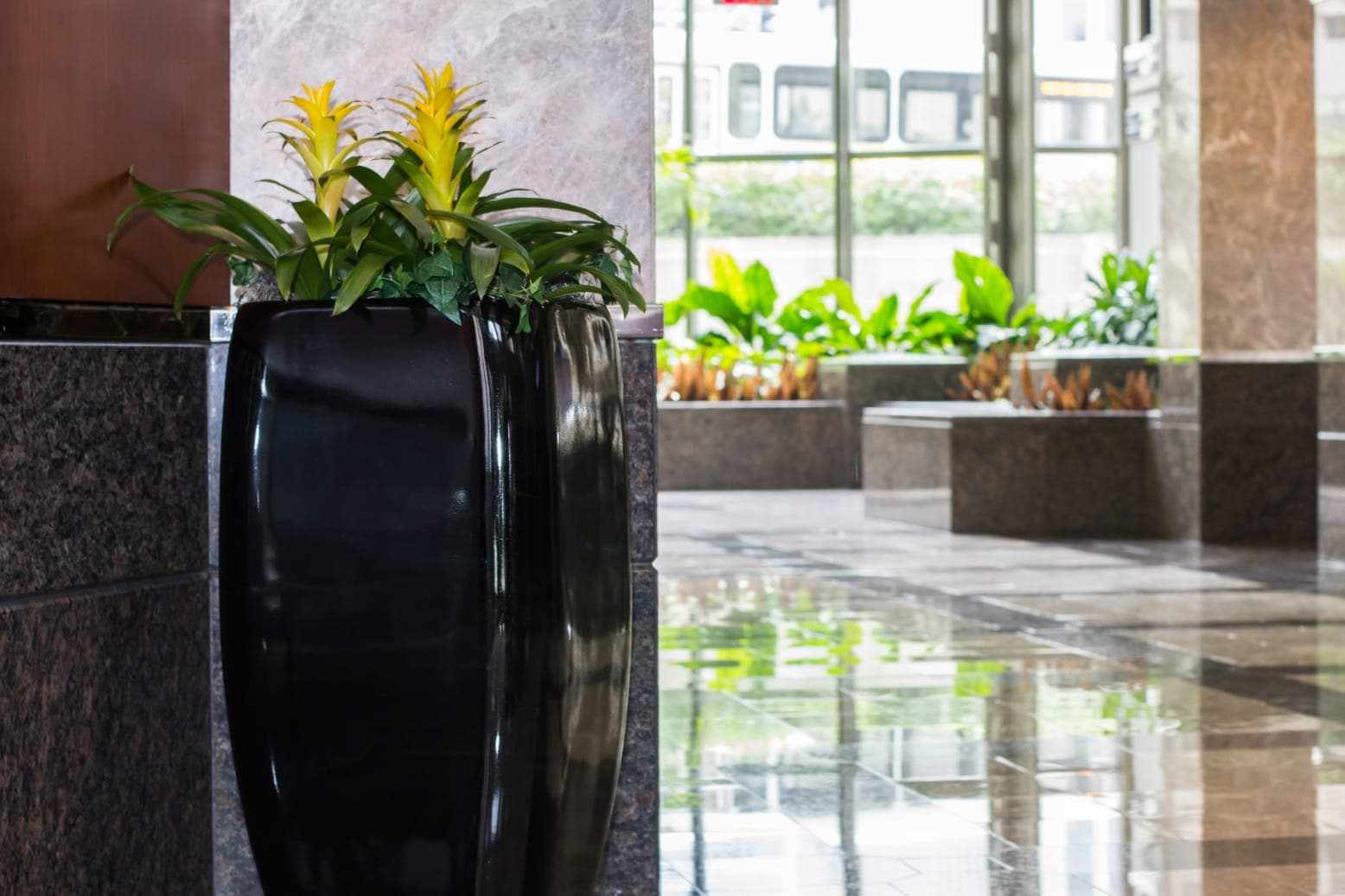
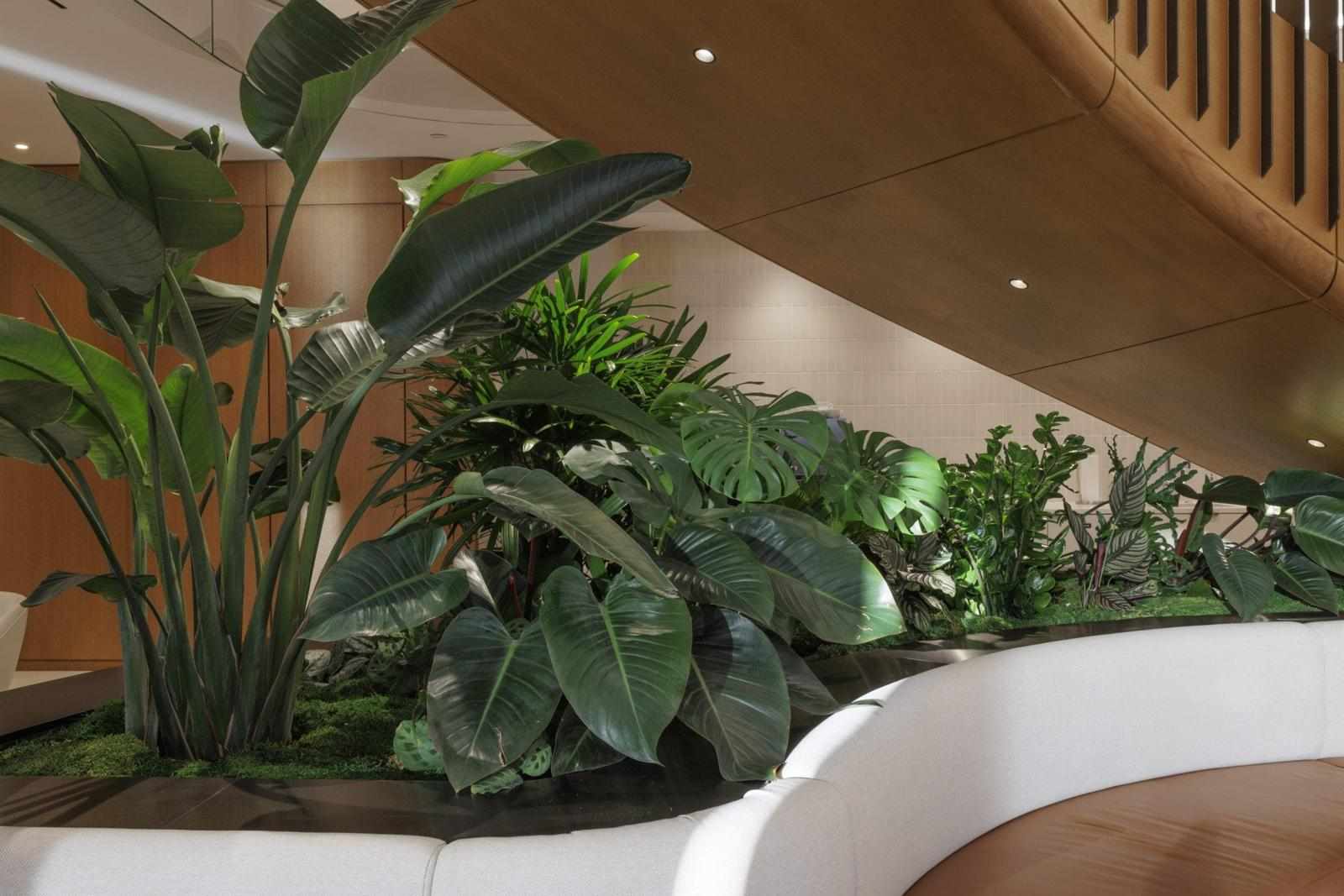
Incorporating a few large, statement plants can have a dramatic impact on a workspace. These plants can be placed in strategic areas to create focal points or to break up large, empty spaces. Consider placing a large potted plant near the entrance or in the corner of an open-plan office to add depth and interest to the room.
4. Integrate Greenery Into Furniture
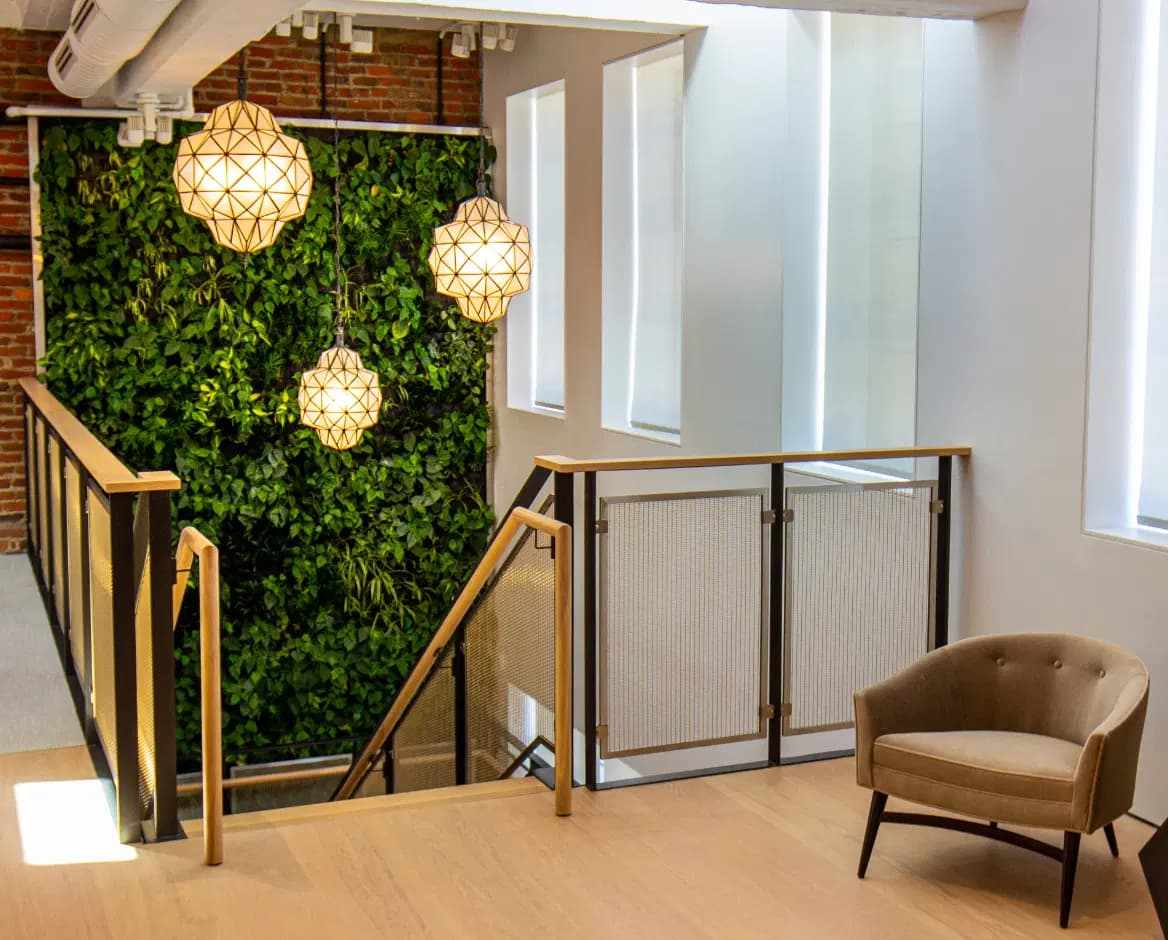
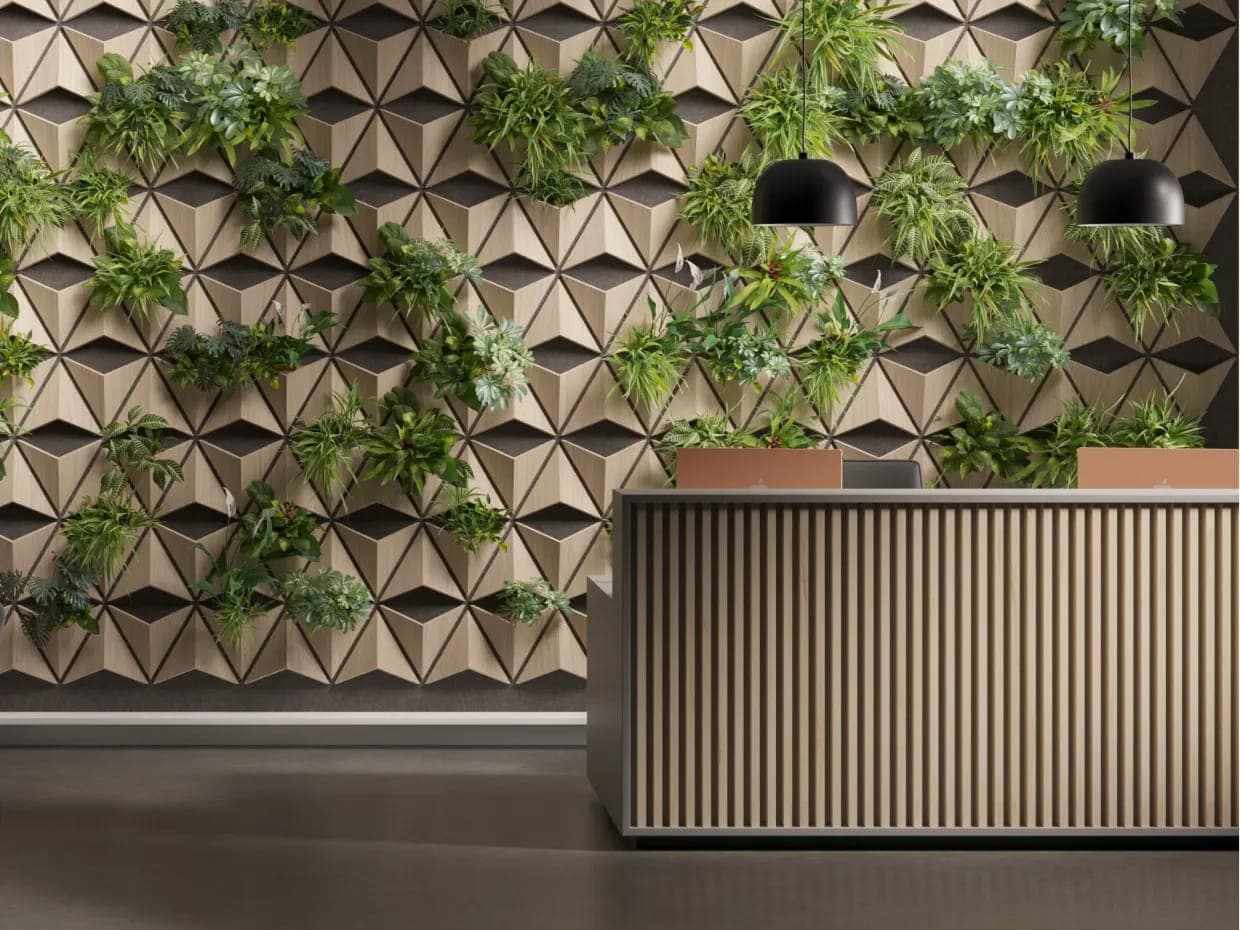
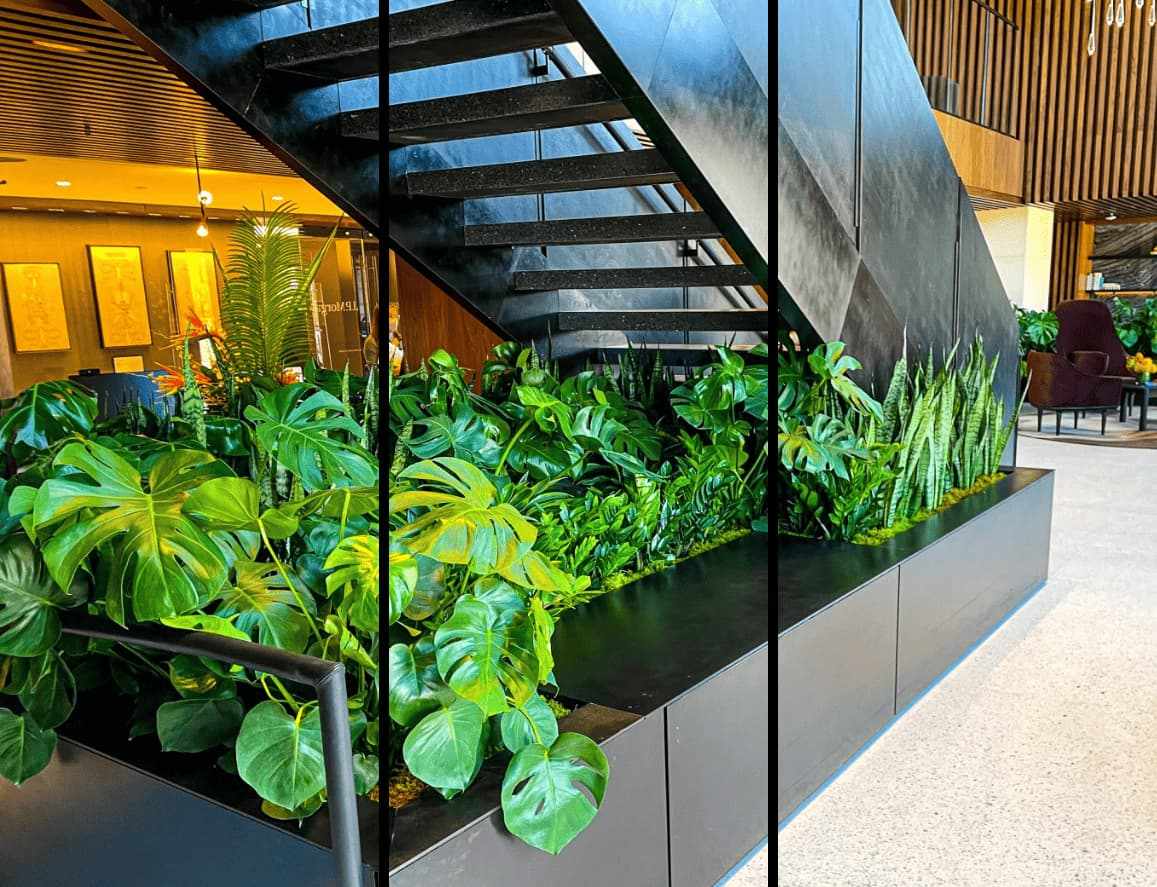
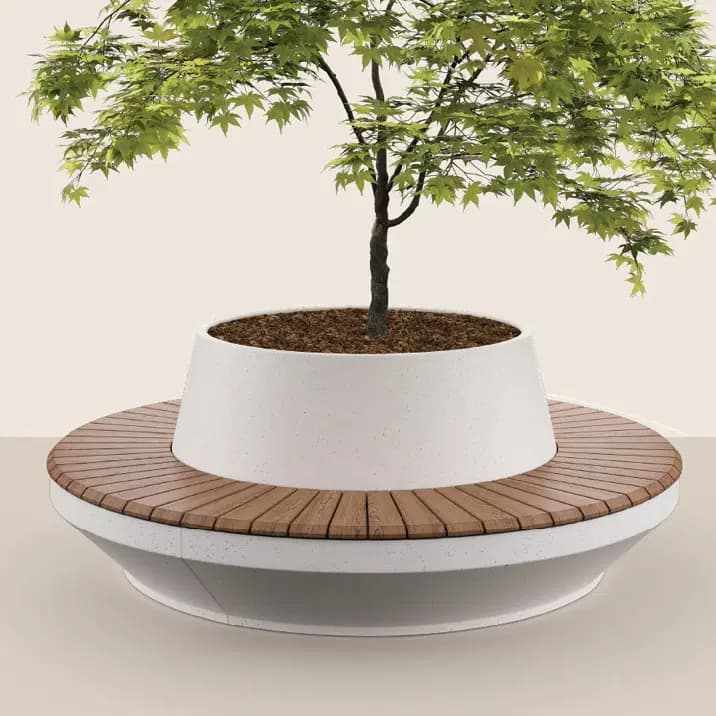
For a seamless, modern look, incorporate plants into office furniture and design elements. Plants can be integrated into shelving units, dividers, or even suspended from the ceiling. Vertical gardens, for example, allow employees to enjoy the benefits of plants without taking up valuable desk space. Similarly, small plants can be placed on desks or windowsills to add a touch of greenery to individual workspaces.
5. Plan for Maintenance
Plants require regular care, so it’s essential to plan for their upkeep. Consider assigning specific employees the task of watering and maintaining the plants or hire a professional plantscaping service to handle plant care. A maintenance plan ensures that the plants remain healthy and continue to enhance the workspace environment.
Sustainable Plantscaping: An Eco-Friendly Approach
Incorporating plants into a workspace isn’t just about aesthetics and well-being; it’s also a sustainable practice. Plants naturally improve air quality by absorbing carbon dioxide and releasing oxygen. Additionally, many plants are low-maintenance and do not require harmful chemicals or excessive water usage. By choosing native plants or drought-tolerant species, businesses can create a more eco-friendly office environment while reducing their environmental footprint.
The Role of Plantscaping in Biophilic Design
Biophilic design is an architectural and design concept that seeks to connect people with nature by incorporating natural elements into built environments. Plantscaping is an essential component of biophilic design, as it directly incorporates plants into the office to improve well-being. Research has shown that exposure to nature whether through plants, natural light, or views of outdoor greenery can reduce stress, enhance cognitive performance, and improve overall happiness.
The Long-Term Impact of Plantscaping
Incorporating plants into a workspace isn’t just a short-term solution it has long-term benefits for both the employees and the organization. By enhancing the workspace environment through plantscaping, businesses can create a more positive and productive atmosphere, which in turn can lead to improved employee retention, job satisfaction, and performance. Furthermore, adopting a green office environment can enhance a company's reputation as an environmentally conscious and forward-thinking organization.
Conclusion
Plantscaping is more than just decorating with plants it’s a powerful tool for enhancing the work environment. By thoughtfully incorporating plants into office spaces, businesses can create a healthier, more productive, and aesthetically pleasing workspace. The benefits of plantscaping extend far beyond decoration; they improve air quality, reduce stress, increase creativity, and boost employee satisfaction. When done properly, plantscaping can transform any office into a more dynamic and inspiring place to work. Whether through small desk plants or large statement pieces, plants offer an easy, cost-effective way to enhance the workspace environment and contribute to the overall success of a business.





Write a comment ...