
In recent years, the integration of nature into workplace environments has gained significant momentum. In Washington D.C., a city known for its fast-paced business culture, many office spaces are realizing the importance of interior plantscaping. The concept involves designing and maintaining indoor plant arrangements that not only improve the aesthetic of an office but also boost the well-being and productivity of its employees. This article will explore the benefits, considerations, and trends of interior plantscaping, especially in the context of D.C. offices.
What is Interior Plantscaping?
Interior plantscaping is the practice of incorporating live plants into the design of interior spaces. This goes beyond simply placing a few potted plants around an office it’s about creating a harmonious balance between nature and the built environment. The goal of plantscaping is to design a space that enhances mood, supports employee well-being, and contributes to a healthier work atmosphere.
While plantscaping can be applied in any setting, it’s particularly beneficial in office spaces where employees spend much of their day. In Washington D.C., where work-life balance is often a challenge, plants in the office provide an oasis of calm and vitality.
Benefits of Interior Plantscaping in DC Offices
Enhanced Employee Well-being
One of the primary reasons D.C. businesses are turning to interior plantscaping is its positive impact on employee well-being. Research has shown that exposure to plants in the workplace can reduce stress, increase satisfaction, and improve overall mental health. In high-stress environments, like those commonly found in D.C. offices, the presence of greenery offers a natural way to counterbalance the pressures of work.
Indoor plants help purify the air by absorbing toxins and releasing oxygen. This not only improves air quality but also contributes to better concentration and alertness. In a bustling city like Washington D.C., where air quality can often be a concern, this can be a game-changer for office environments.
Boost in Productivity
In addition to enhancing mental well-being, plantscaping has been linked to improved productivity. Studies have shown that office plants can increase creativity, concentration, and cognitive performance. In high-demand workplaces, such as those in Washington D.C., where efficiency is key, plants can serve as a simple yet effective way to boost employee performance.
The presence of greenery has been shown to reduce the time it takes to complete tasks and improve focus. For offices dealing with complex projects and tight deadlines, plants help create an environment that fosters clear thinking and innovation.
Positive Company Image
Incorporating plants into the workplace can also improve a company’s image. A well-designed office with vibrant greenery creates a positive, welcoming atmosphere for both employees and clients. This can be particularly important in D.C., where many businesses rely on their image to attract clients and partners.
Interior plantscaping demonstrates that a company cares about its employees' health and the environment. Many businesses in Washington D.C. are eager to show that they are socially responsible and eco-conscious, and adding plants to the workplace is an easy and impactful way to do so.
Noise Reduction and Acoustic Benefits
Another lesser-known benefit of plantscaping is its ability to help reduce noise levels in the office. Offices, especially in urban settings like Washington D.C., can often be noisy, making it difficult for employees to focus. Plants can act as natural sound absorbers, helping to dampen the noise in open-plan spaces.
The leaves and branches of plants absorb sound waves, which reduces the overall sound reflection in a room. This creates a more peaceful, quiet work environment, making it easier for employees to concentrate on their tasks.
Factors to Consider When Implementing Interior Plantscaping
Office Space and Layout
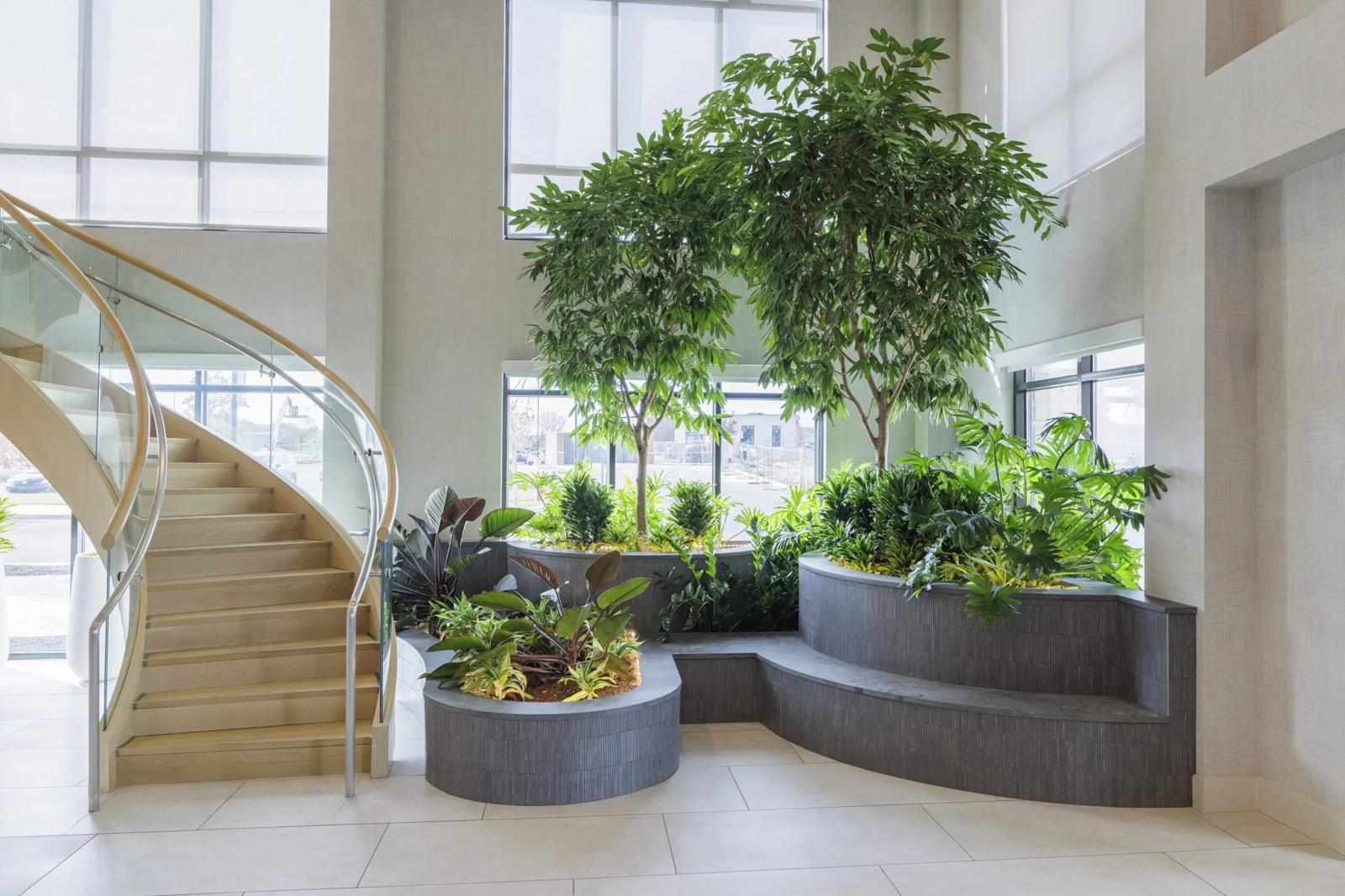
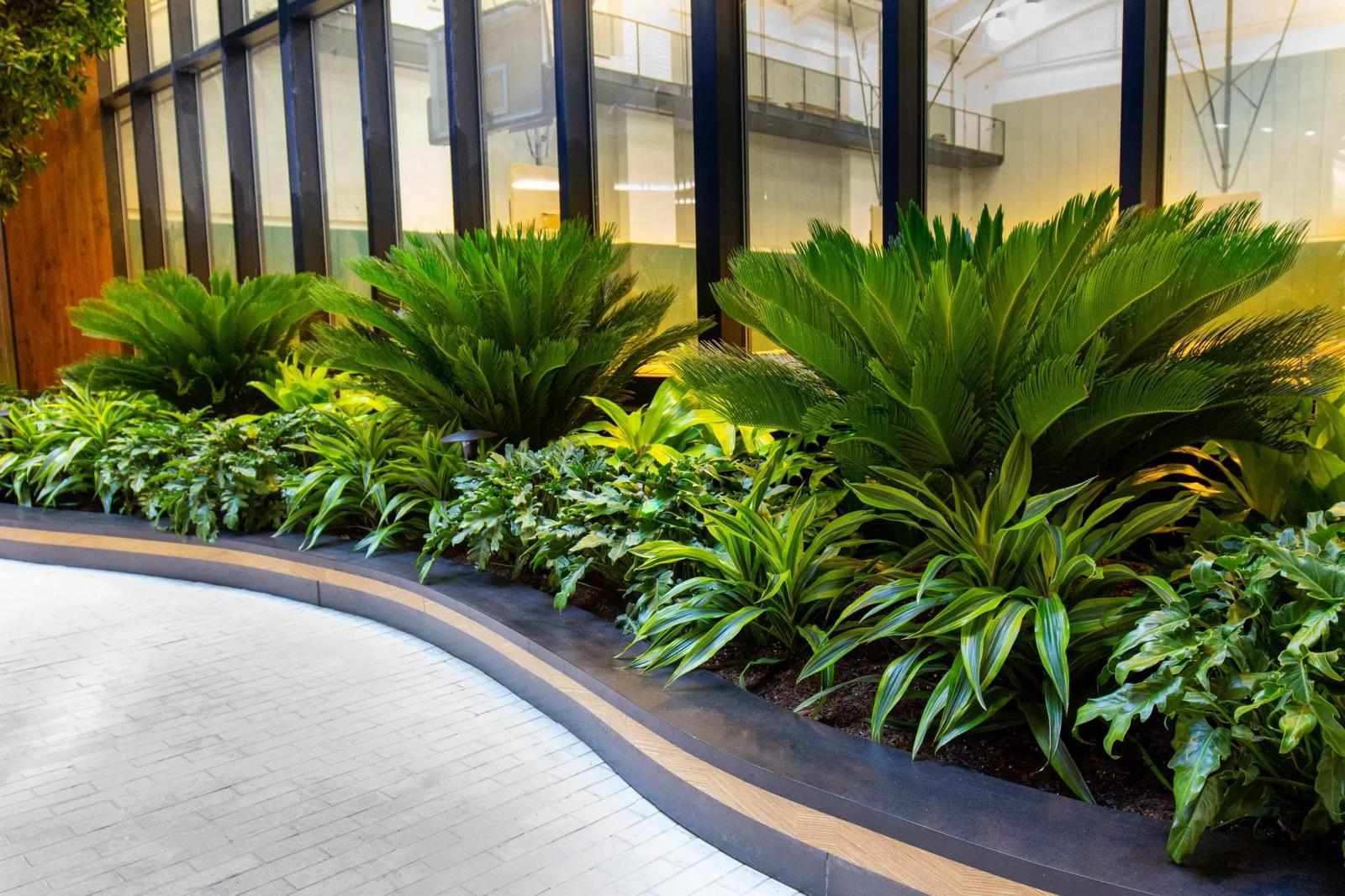
Before diving into the world of plantscaping, it’s essential to consider the office space and layout. The type of plants you choose and their placement will depend on factors like the amount of natural light available, the size of the office, and the layout of the workstations. For example, a large, open-plan office may benefit from larger plants like fiddle-leaf figs or palms, while a smaller space might be better suited for smaller plants such as succulents or pothos.
When planning a plant arrangement, it’s important to strike a balance between aesthetics and practicality. While large plants can create a striking visual impact, smaller plants in various locations can enhance the space without overwhelming it.
Maintenance Requirements
Another key consideration when introducing dc interior plantscaping to an office environment is the level of maintenance required. Some plants require more care than others, such as regular watering and occasional pruning. It’s important to choose plants that are suitable for the office environment and can thrive with minimal attention, especially in a busy workplace where employees may not have the time or expertise to tend to them.
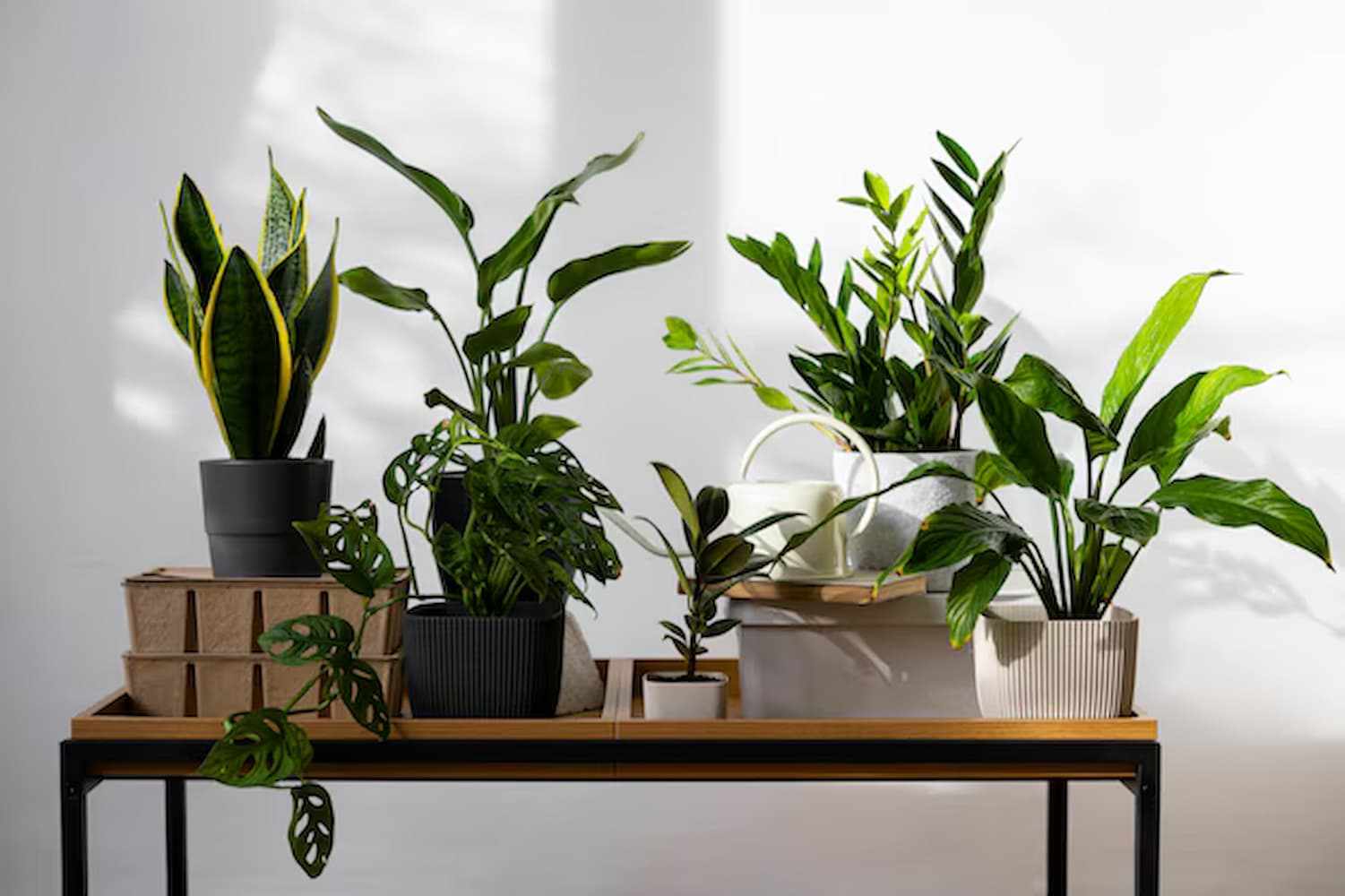
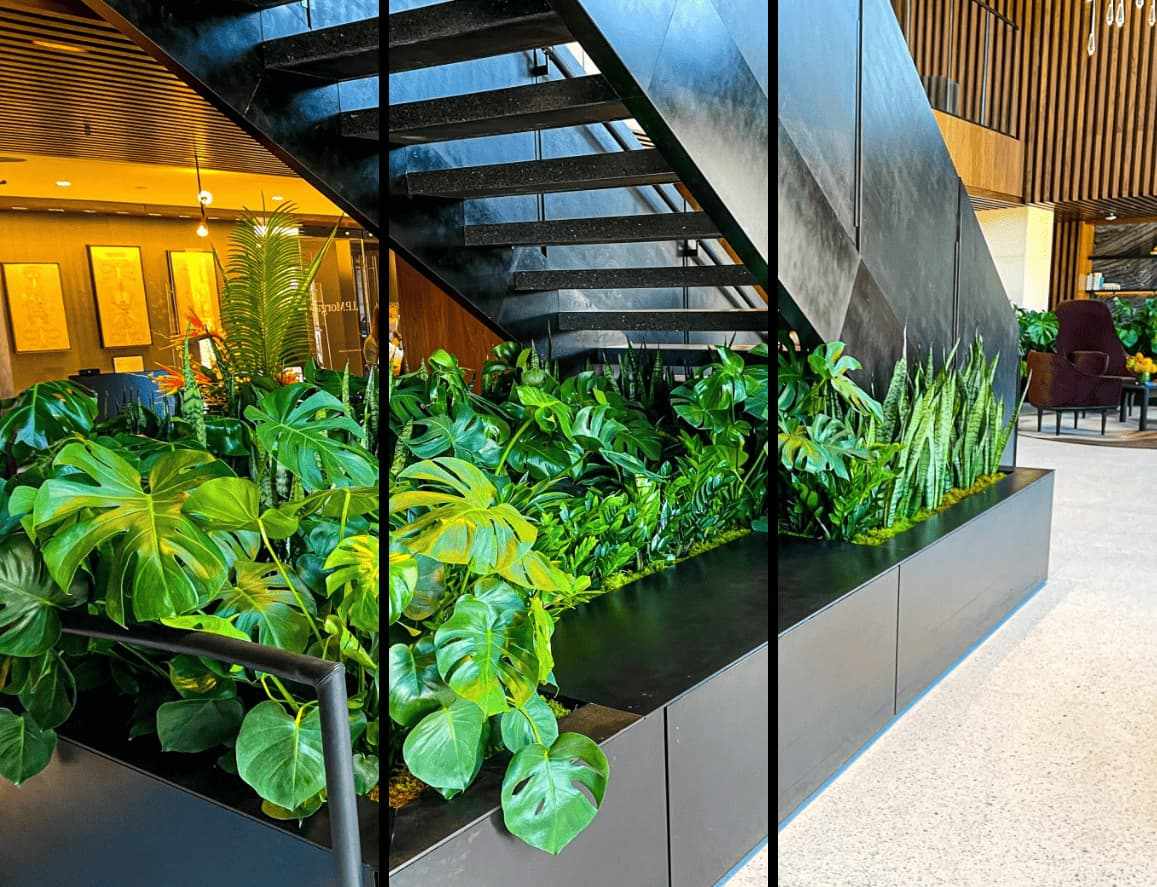
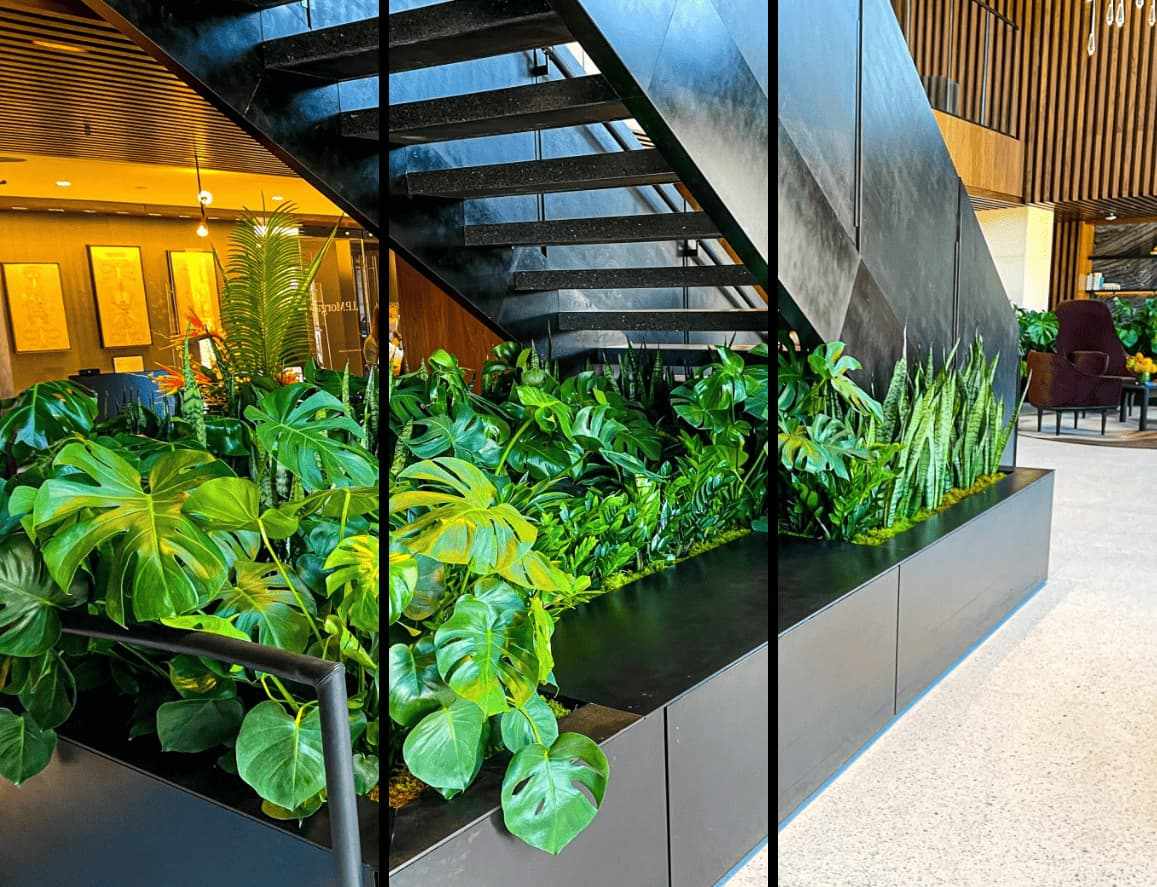
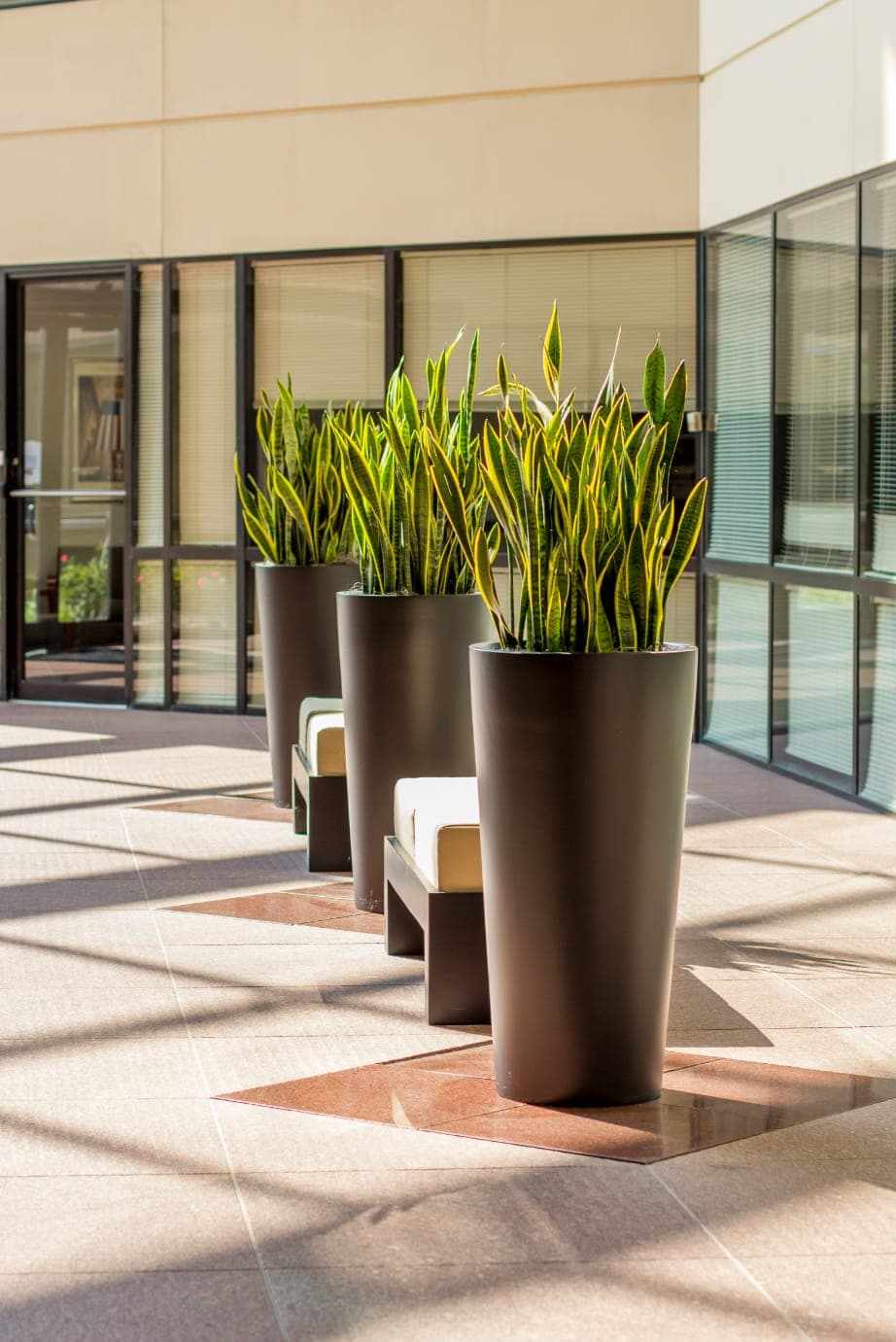
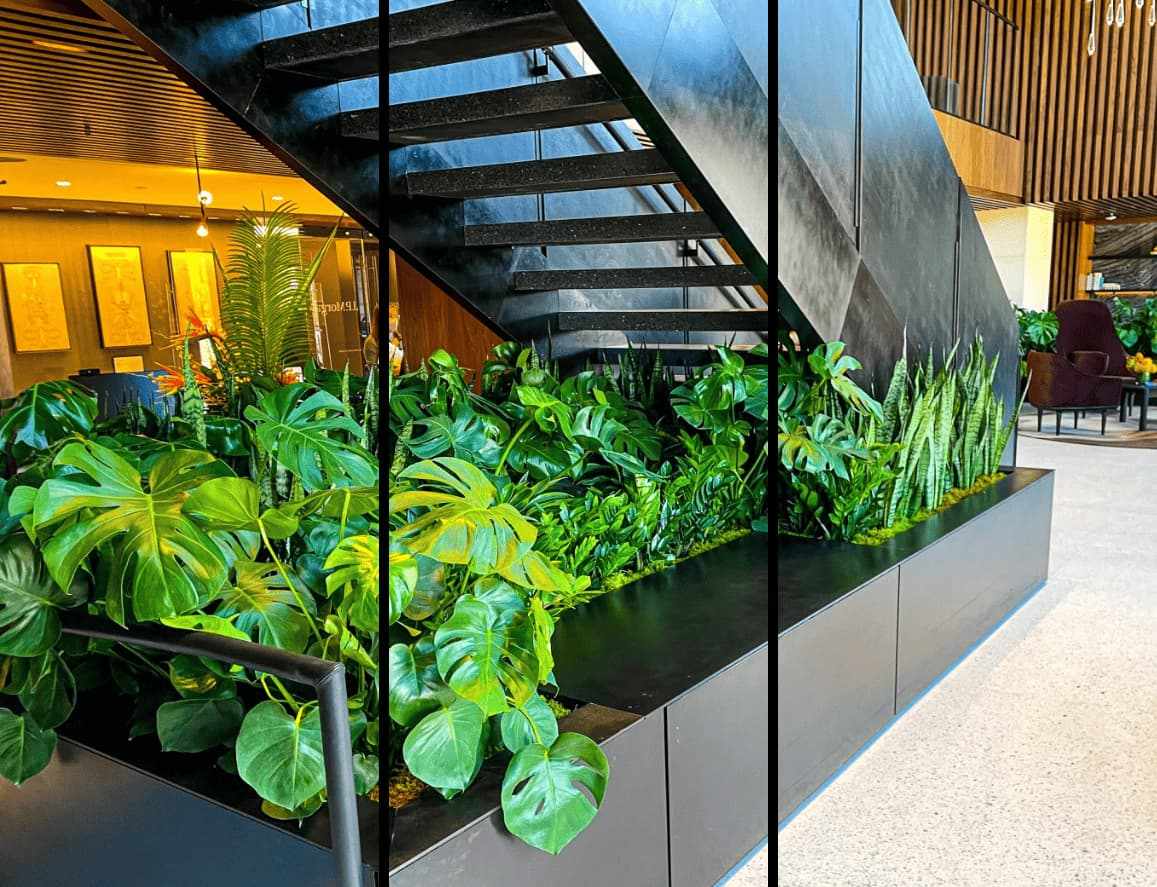
Low-maintenance plants like snake plants, ZZ plants, and succulents are popular choices for office spaces due to their resilience and ability to adapt to less-than-ideal conditions. Additionally, businesses may choose to hire professional plantscaping services to ensure proper care and upkeep.
Budget Considerations
While the benefits of interior plantscaping are numerous, it’s also important to consider the budget. While the initial cost of purchasing plants and planters can vary, ongoing maintenance costs can add up over time. For D.C. businesses with larger office spaces, this could be a significant investment. However, the benefits in terms of employee satisfaction and productivity often outweigh the initial costs.
Many companies choose to invest in plantscaping as part of a broader effort to create a positive work environment and improve employee retention. For those with limited budgets, it’s also possible to start small with a few plants and gradually expand the green space over time.
Trends in DC Interior Plantscaping
Sustainability and Eco-friendly Options
Sustainability is an increasingly important factor for businesses in Washington D.C. As companies seek to reduce their environmental impact, many are turning to eco-friendly plantscaping solutions. This includes opting for native plants that are adapted to the local climate and require less water, as well as choosing environmentally friendly planters made from recycled materials.
Sustainability can also extend to the maintenance process. Some interior plantscaping companies in D.C. offer organic fertilizers and natural pest control solutions, further reducing the environmental impact of indoor plants.
Incorporating Technology with Plantscaping
Technology is also making its way into the world of interior plantscaping. Smart planters with built-in watering systems and sensors that monitor plant health are becoming increasingly popular. These technological advancements make it easier for businesses to maintain their plants and ensure they thrive, even in spaces with limited natural light or busy work schedules.
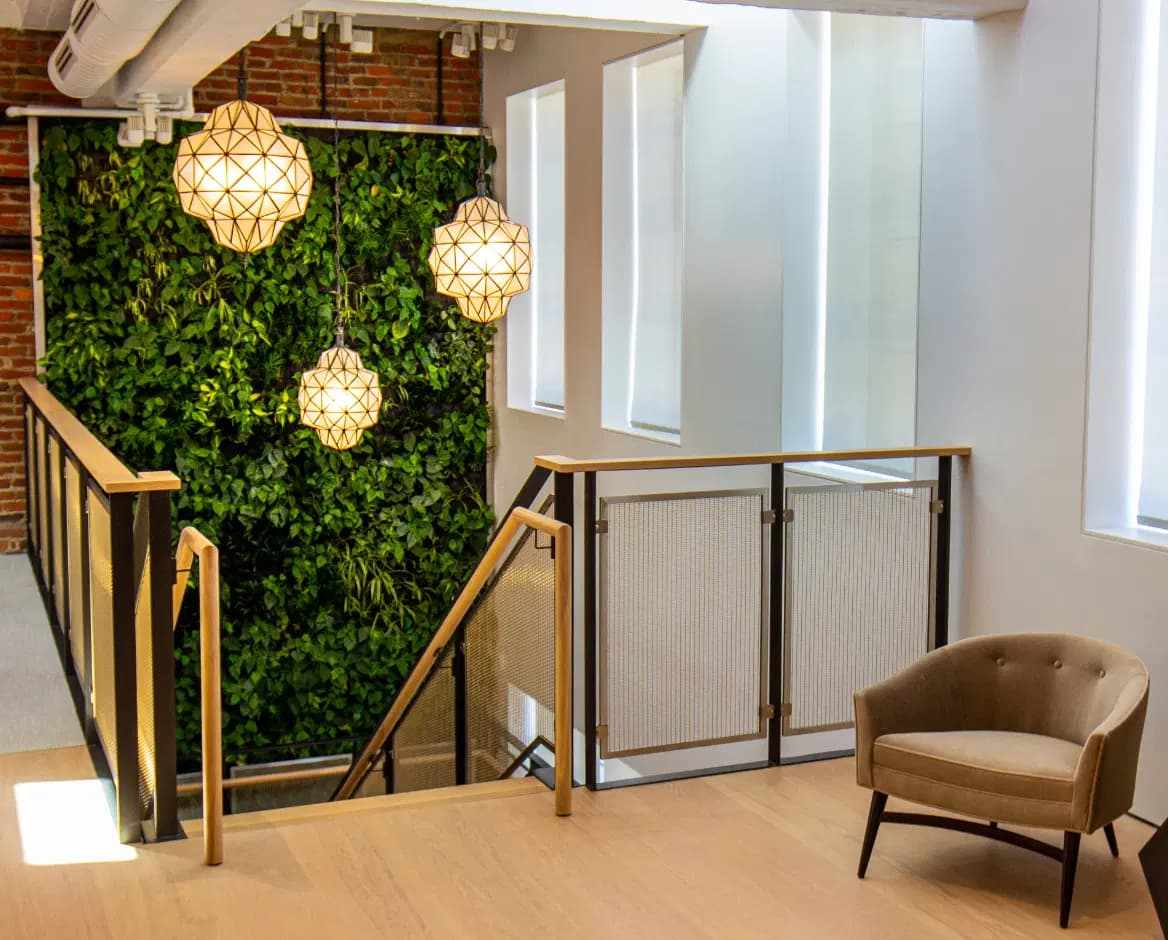
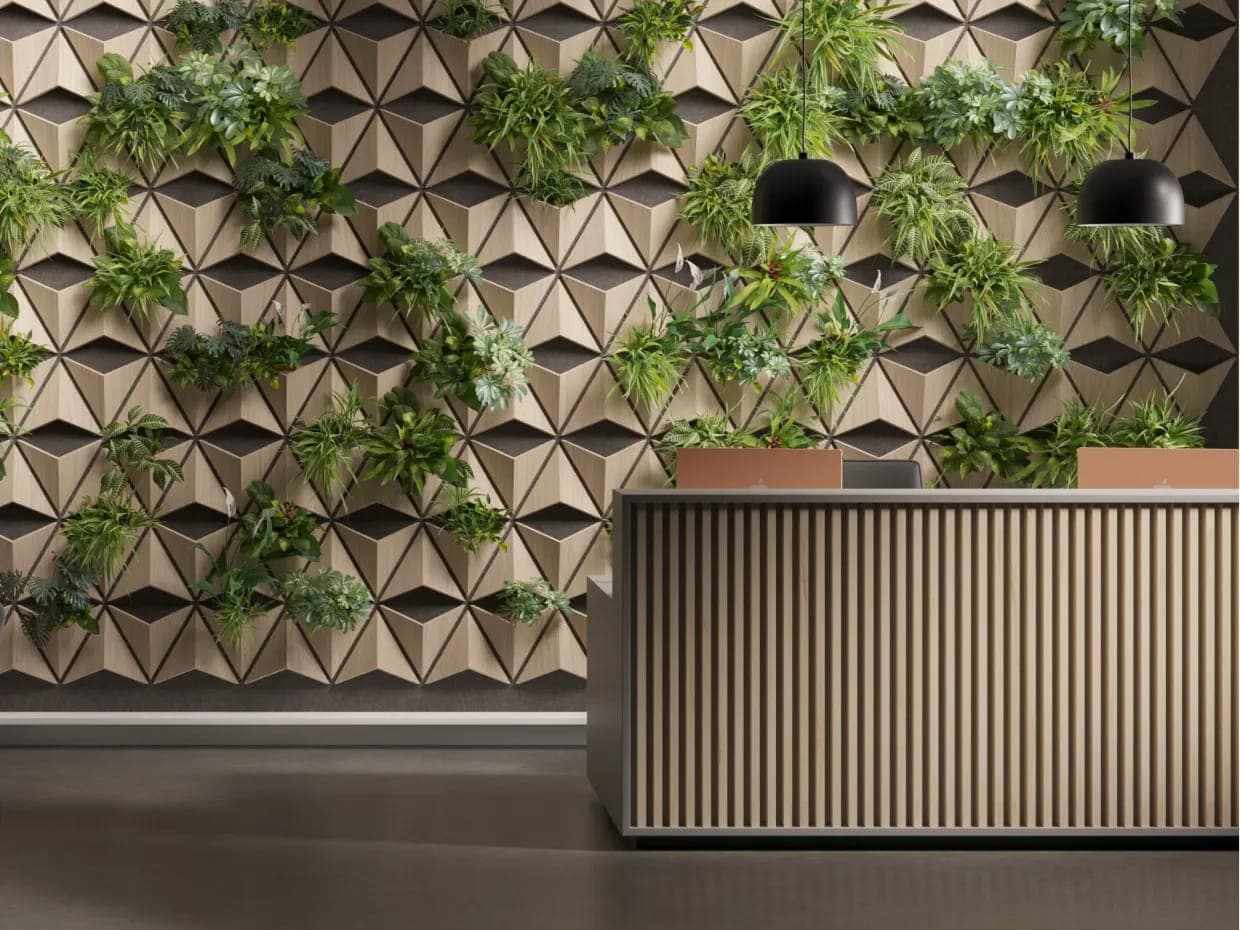
Some companies are also experimenting with "living walls" or vertical gardens, which integrate plants into the structure of the building itself. This approach maximizes space while creating a visually stunning, immersive green environment.
Conclusion
Interior plantscaping is more than just a design trend in Washington D.C. it’s a powerful tool for improving workplace environments. The incorporation of plants into office spaces can lead to enhanced employee well-being, improved productivity, and a more inviting atmosphere for clients and employees alike. As businesses in D.C. continue to embrace the benefits of greenery, the future of office spaces is looking brighter and more vibrant than ever before.




Write a comment ...