
Indoor living walls have become a popular design feature in both residential and commercial spaces. These vertical gardens bring nature indoors while offering aesthetic, environmental, and wellness benefits. A thoughtfully designed living wall indoor system can transform plain walls into vibrant focal points that improve air quality and enhance mood. As more people seek healthier and more inspiring interiors, indoor living walls continue to gain attention for their versatility and visual impact.
This article explores creative and practical indoor living wall design ideas for homes and offices. It also explains how to plan, design, and maintain these green installations for long lasting beauty and function.
Understanding Indoor Living Walls
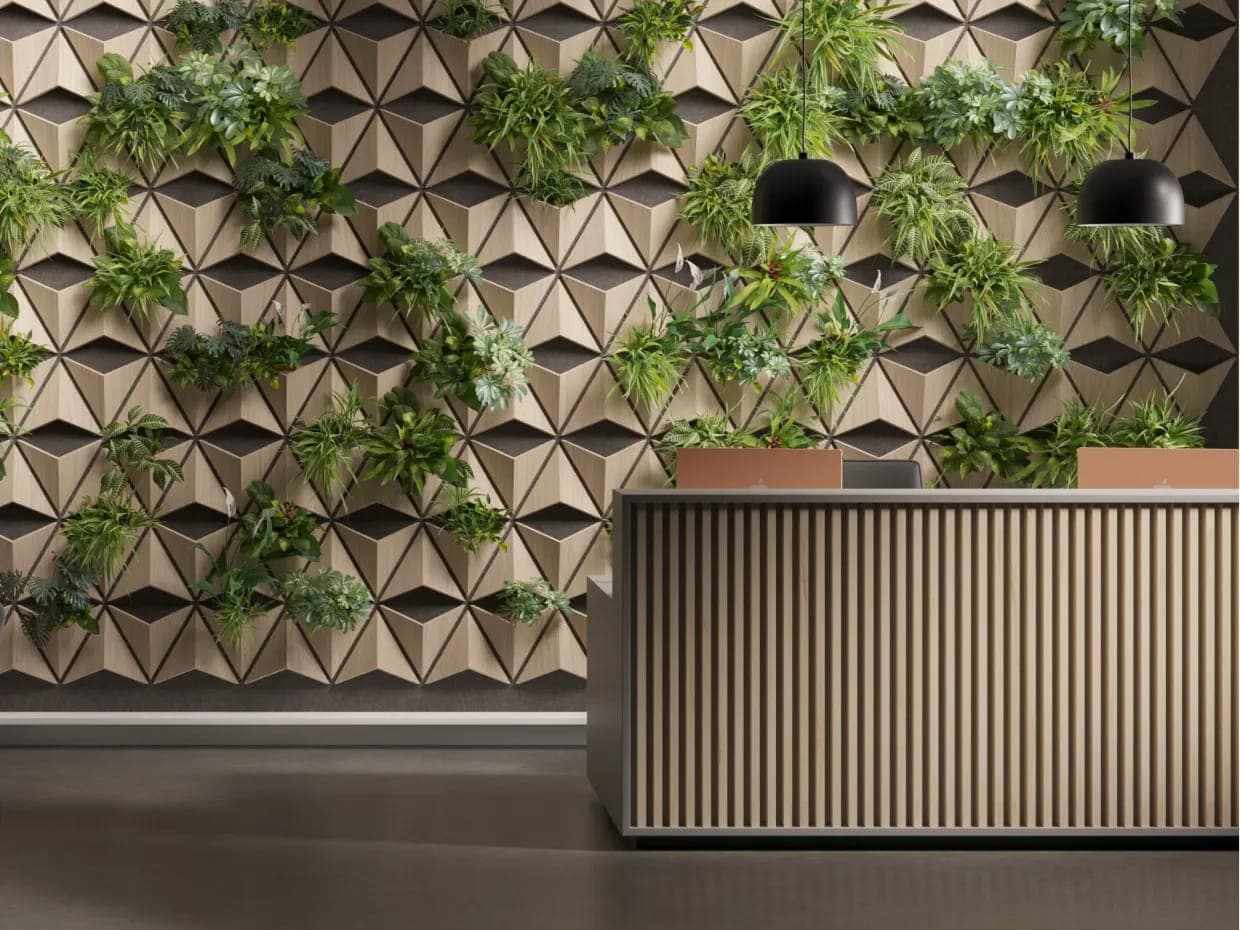
Indoor living walls are vertical structures covered with plants that grow either in soil based systems or in water based systems. They are designed to support plant life on walls using frames, panels, or modular containers. A living wall indoor feature can be customized to suit different spaces, styles, and functional goals.
Benefits of Indoor Living Walls
Indoor living walls offer several advantages beyond visual appeal.
They improve indoor air quality by filtering pollutants and increasing oxygen levels. Plants can also help regulate humidity, making indoor environments more comfortable.
Living walls contribute to mental well being by reducing stress and promoting a sense of calm. In office environments, they can enhance focus, creativity, and employee satisfaction.
They also provide acoustic benefits by absorbing sound, which is especially useful in open plan offices and busy homes.
Planning an Indoor Living Wall
Proper planning is essential for a successful living wall indoor installation. Design decisions should consider space, light, plant selection, and maintenance needs.
Assessing the Available Space
The size and location of the wall play a major role in determining the design. Large walls can support expansive plant arrangements, while smaller walls benefit from compact modular systems.
It is important to ensure the wall can support the weight of the living wall system, plants, and water. Structural assessments may be necessary for larger installations.
Evaluating Light Conditions
Light availability influences plant health and growth. Some indoor spaces receive ample natural light, while others require artificial lighting.
Low light areas may need grow lights to support plant life. Selecting plants that match the available light conditions helps reduce maintenance challenges.
Choosing the Right System
Living wall systems vary in complexity. Options include soil based panels, fabric pocket systems, and hydroponic setups.
Soil based systems offer a traditional approach and suit many plant types. Hydroponic systems use water and nutrients, providing a cleaner and lighter solution that works well in modern interiors.
Indoor Living Wall Design Ideas for Homes
Homes offer endless opportunities to incorporate living walls in creative ways. A living wall indoor feature can be both decorative and functional.
Living Walls in Living Rooms
Living rooms are ideal spaces for statement living walls. A lush green wall can serve as a focal point behind a sofa or entertainment area.
Using a mix of plant textures and shades of green adds depth and interest. Homeowners can also include flowering plants for subtle color accents.
Kitchen Living Wall Concepts
Kitchens benefit from living walls that combine beauty with utility. Herb walls are a popular choice, allowing easy access to fresh herbs for cooking.
Compact modular systems work well in kitchens where space may be limited. Plants like basil, mint, and parsley thrive in bright kitchen environments.
Bedroom Living Wall Ideas
In bedrooms, living walls create a calming and restful atmosphere. Soft foliage plants with gentle forms are ideal for these spaces.
Placing a living wall near a window ensures adequate light while enhancing the connection to nature. Care should be taken to choose plants that do not produce strong scents at night.
Bathroom Living Walls
Bathrooms provide unique opportunities for indoor living walls due to their humidity. Moisture loving plants such as ferns and mosses thrive in these conditions.
Proper ventilation and lighting are important to prevent mold and ensure plant health. A bathroom living wall adds a spa like feel and elevates the overall design.
Indoor Living Wall Design Ideas for Offices
In office settings, living walls support productivity and create welcoming environments for employees and visitors.
Reception Area Living Walls
A living wall indoor feature in a reception area creates a strong first impression. It communicates a commitment to wellness and sustainability.
Designs can incorporate company colors through plant selection or background materials without overwhelming the space.
Open Office Living Walls
Open plan offices often struggle with noise and lack of privacy. Living walls can act as natural dividers while improving acoustics.
Tall vertical plant arrangements help define zones and create visual separation without blocking light or airflow.
Conference Room Living Walls
Conference rooms benefit from the calming influence of greenery. Living walls in these spaces can reduce stress during meetings and support creative thinking.
Simple and balanced plant designs work best to avoid visual distraction during discussions.
Break Room and Lounge Areas
Break rooms and lounges are ideal locations for relaxed and playful living wall designs. These spaces allow for creative plant arrangements and varied textures.
Adding seating near a living wall encourages employees to relax and recharge during breaks.
Choosing Plants for Indoor Living Walls
Plant selection is a key factor in the success of any living wall indoor system. The right plants ensure visual appeal and ease of maintenance.
Low Maintenance Plant Options
Low maintenance plants are ideal for busy homes and offices. Common choices include pothos, philodendron, snake plants, and peace lilies.
These plants adapt well to indoor conditions and tolerate occasional care lapses.
Plants for Low Light Areas
For spaces with limited natural light, shade tolerant plants are essential. Ferns, calatheas, and certain types of ivy perform well in lower light environments.
Supplemental lighting can expand plant options if needed.
Adding Color and Texture
While green foliage forms the foundation of most living walls, adding plants with varied leaf shapes and colors creates visual interest.
Subtle variations in leaf size and texture provide depth without overwhelming the design.
Maintenance and Care Tips
Maintaining a living wall indoor feature requires consistent but manageable care. Proper planning reduces long term effort.
Watering and Irrigation
Many living wall systems include built in irrigation that distributes water evenly. Automated systems help maintain consistent moisture levels.
Manual watering may be suitable for smaller installations, but regular schedules are important to prevent stress on plants.
Pruning and Plant Health
Regular pruning keeps plants healthy and maintains the intended design. Removing dead or damaged leaves encourages new growth.
Monitoring for pests and diseases ensures early intervention and protects the entire wall.
Nutrient Management
Plants in living walls often require supplemental nutrients, especially in hydroponic systems. Balanced nutrient solutions support healthy growth and vibrant foliage.
Following recommended feeding schedules prevents over fertilization and nutrient deficiencies.
Sustainability and Wellness Benefits
Indoor living walls support sustainable design practices and promote healthier indoor environments.
They contribute to energy efficiency by improving insulation and regulating indoor temperatures. Living walls also support biophilic design principles that strengthen the connection between people and nature.
In offices, the presence of greenery can improve employee satisfaction and reduce absenteeism. In homes, living walls create calming retreats that support relaxation and mental clarity.
Integrating Living Walls with Interior Design
A living wall indoor feature should complement the overall interior design rather than compete with it.
Matching the living wall style with existing materials, colors, and furnishings creates a cohesive look. Minimalist interiors may benefit from simple plant palettes, while eclectic spaces can support more diverse arrangements.
Conclusion
Indoor living walls offer a powerful way to enhance homes and offices with natural beauty and functional benefits. From living rooms and kitchens to reception areas and open office layouts, these green installations adapt to a wide range of environments and design styles.
A well planned living wall indoor design improves air quality, supports wellness, and adds lasting visual interest to interior spaces. With thoughtful plant selection, proper lighting, and consistent care, indoor living walls can thrive for years and become defining features of modern interiors.
For those looking to bring these benefits into their spaces with professional expertise and creative vision, Interior Plantscapes provides solutions that help transform ordinary walls into vibrant, living design elements that support healthier and more inspiring environments.





Write a comment ...