
Biophilic design has gained widespread recognition as an approach that enhances the connection between people and nature within indoor environments. With the rise of modern workspaces, this design philosophy is transforming how offices and workspaces are conceptualized. Incorporating natural elements such as plants, natural lighting, and organic materials into workplace design not only boosts the aesthetic value of the space but also contributes to the well-being and productivity of employees. In this article, we will explore the numerous benefits of biophilic design and why it is becoming a must-have in modern office spaces.
Understanding Biophilic Design
Biophilic design is a concept that integrates natural elements into the built environment to create spaces that foster a strong connection to nature. The word “biophilia” comes from the Greek words “bios,” meaning life, and “philia,” meaning love or affection. Essentially, biophilic design incorporates various elements that mimic the natural world to create an environment conducive to human health, well-being, and creativity.
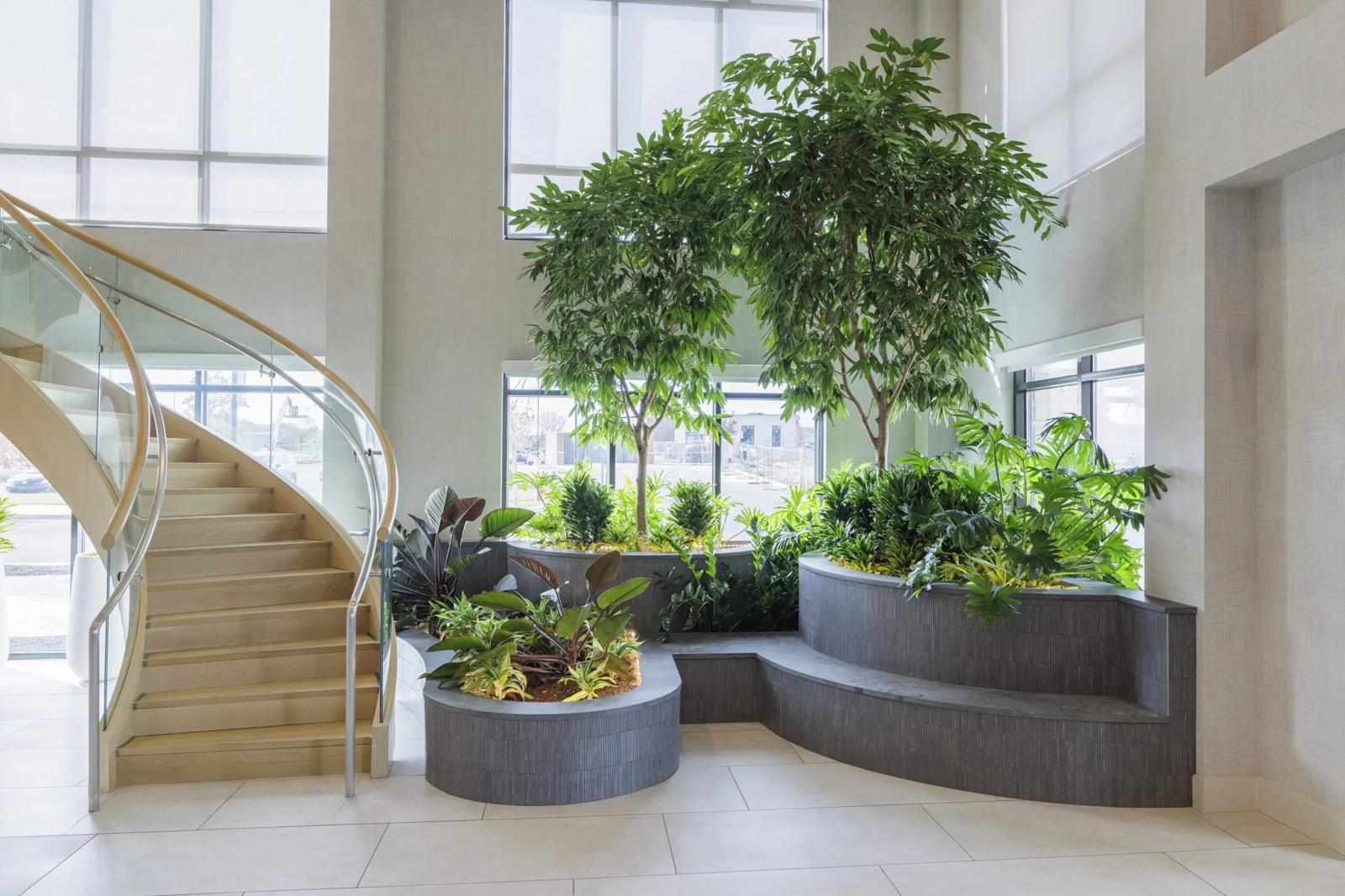
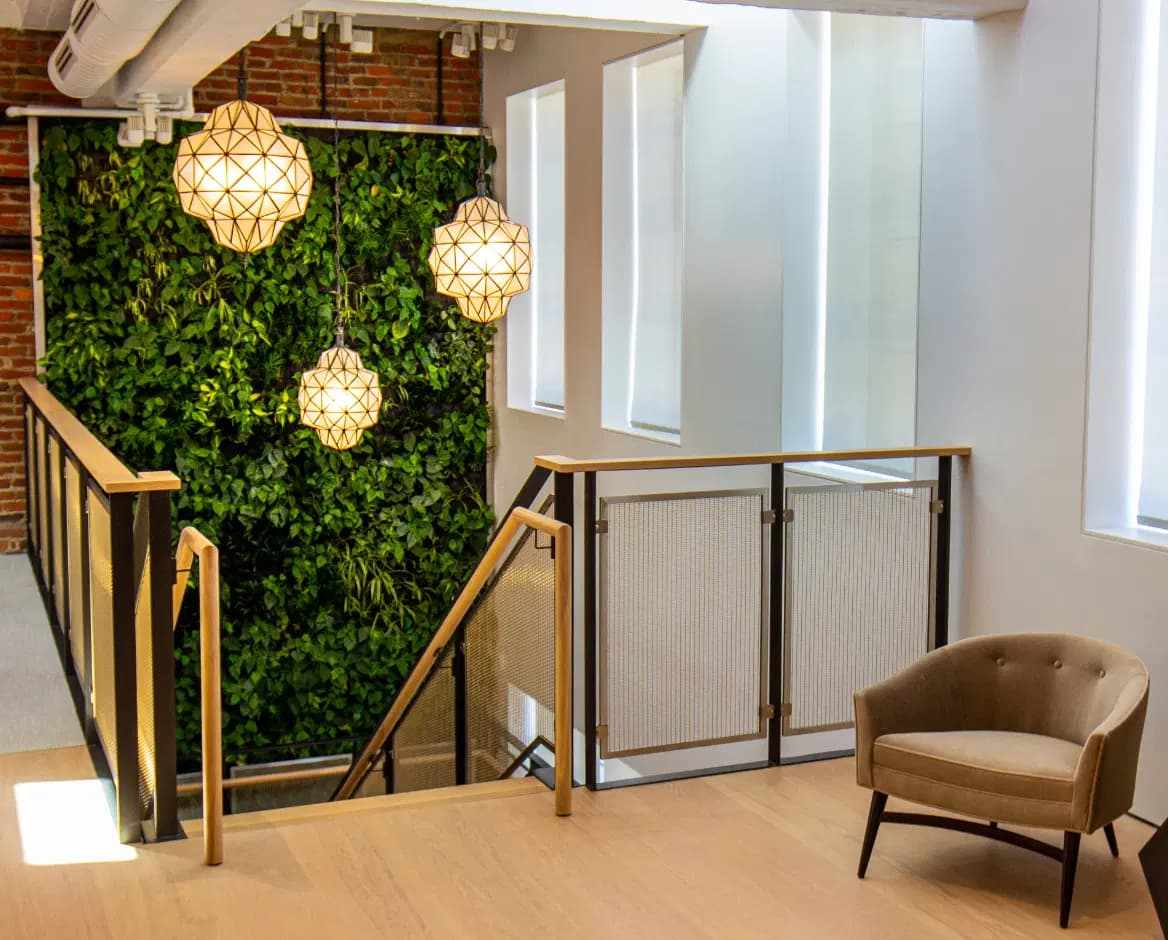
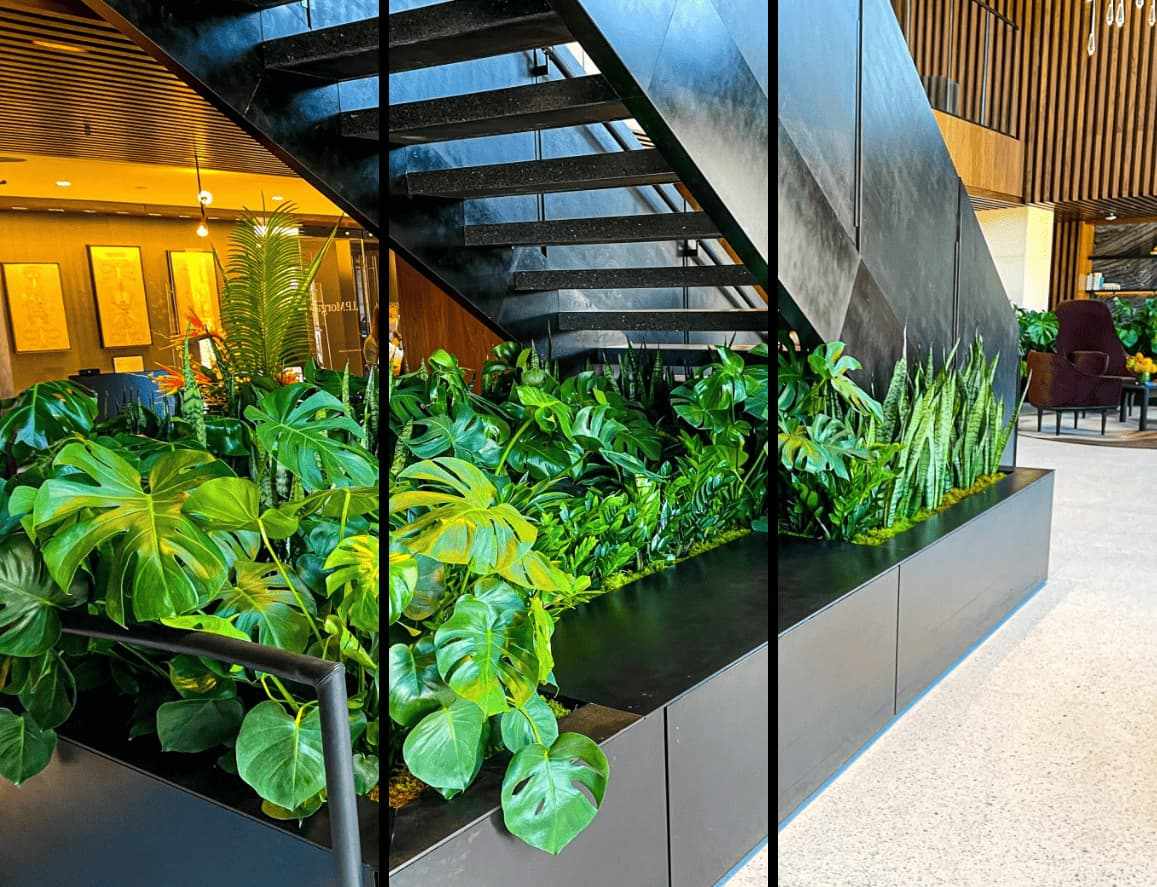
Unlike traditional office designs that focus primarily on functionality and aesthetics, biophilic design goes a step further by incorporating natural elements like green walls, water features, natural materials, and ample daylight into workspaces. These elements help create a more calming, inspiring, and productive environment.
The Impact of Biophilic Design on Employee Well-being
Reducing Stress and Enhancing Mental Health
One of the primary benefits of biophilic design is its positive impact on mental health. Numerous studies have shown that exposure to nature, or even nature-inspired elements, can significantly reduce stress levels. Biophilic design helps reduce anxiety and fosters a sense of tranquility by incorporating elements like indoor plants, natural wood finishes, and water features.
Natural environments have been shown to lower cortisol levels, a hormone that is released when the body is stressed. By integrating biophilic elements into the workspace, employees can experience a reduction in stress, leading to a more peaceful and focused atmosphere.
Improving Cognitive Function and Creativity
Natural environments are not just soothing for the mind; they also have a significant impact on cognitive function. Studies have demonstrated that employees working in spaces enriched with natural elements tend to perform better on tasks requiring concentration and problem-solving skills.
The presence of greenery and natural elements in the workplace also enhances creativity. Employees exposed to nature or biophilic design tend to think more innovatively and come up with better solutions to problems. In fact, employees in biophilic-designed spaces have reported higher levels of satisfaction with their work environment, leading to increased job performance and output.
The Link Between Biophilic Design and Increased Productivity
Boosting Focus and Reducing Fatigue
Productivity in the workplace is heavily influenced by the environment in which employees work. A sterile, monotonous office can leave employees feeling disengaged and tired, but biophilic design provides a refreshing contrast. The integration of natural light, plants, and organic textures into the workspace has been shown to increase attention span and focus while decreasing feelings of fatigue.
Natural light is particularly effective in boosting productivity, as it regulates circadian rhythms and improves mood. The inclusion of green spaces or plants also creates a more pleasant and less distracting environment, allowing employees to concentrate better on their tasks and assignments.
Enhancing Collaboration and Engagement
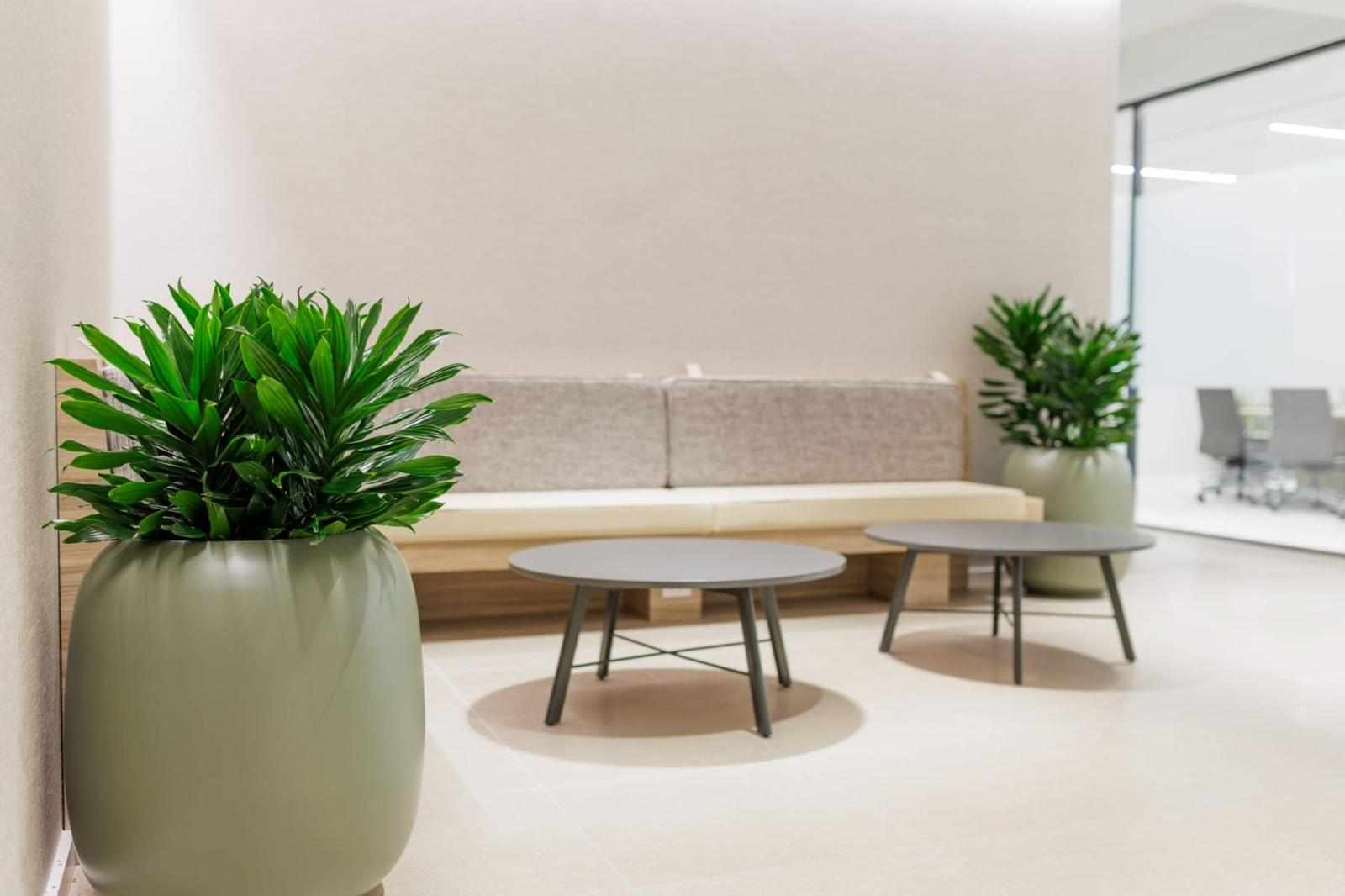
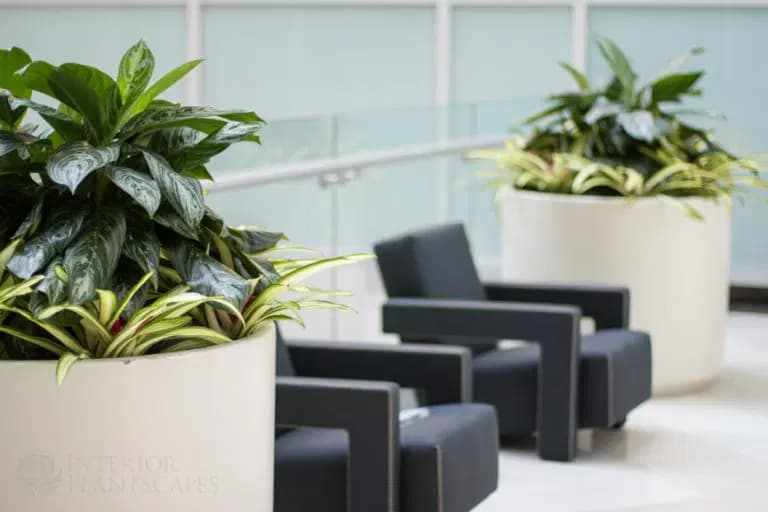
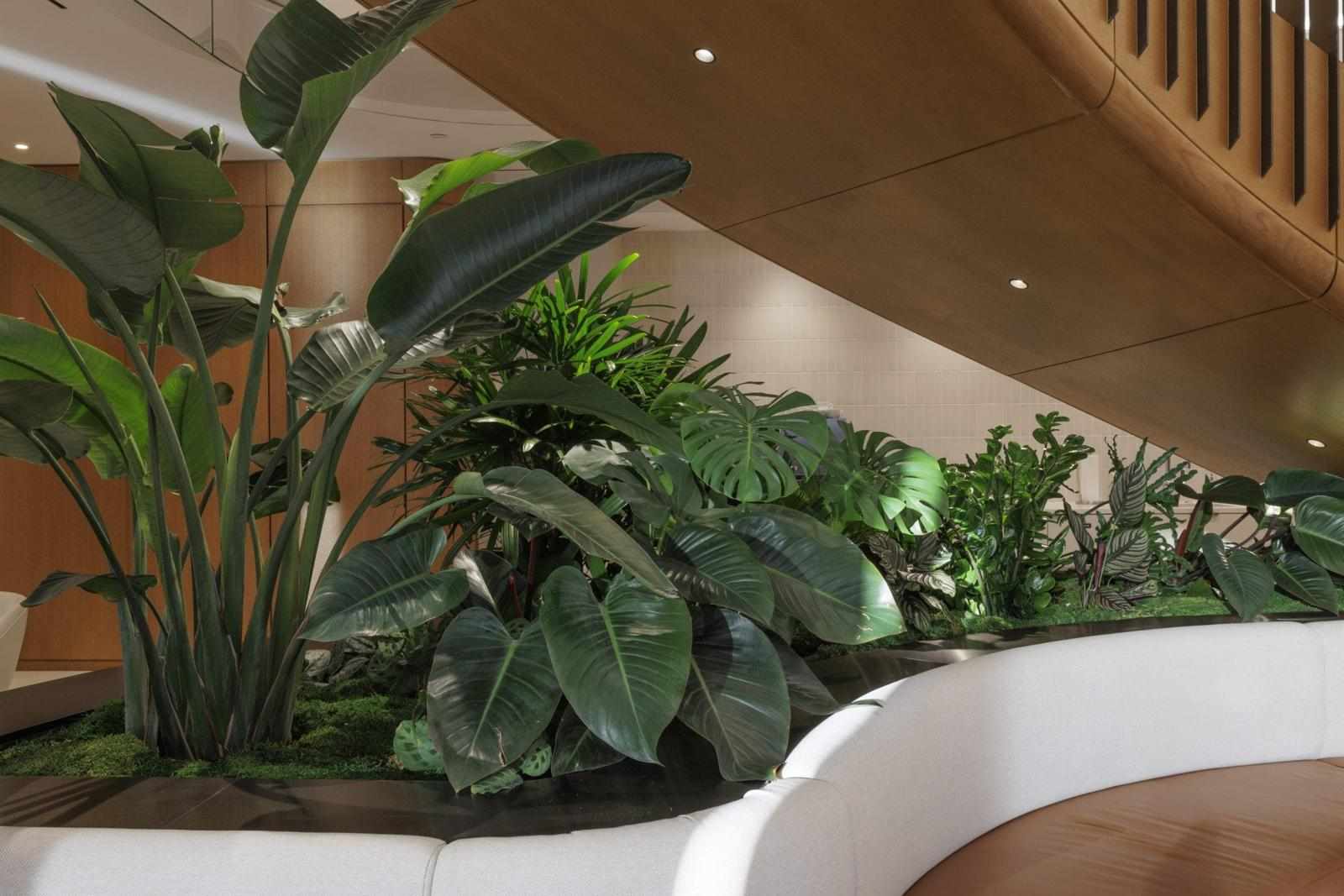
Workspaces that incorporate biophilic design not only benefit individual productivity but also encourage collaboration and engagement. The use of natural materials in communal spaces fosters an inviting atmosphere that encourages social interaction. Whether it's a green office garden, a relaxing lounge area with natural wood furniture, or a breakout space filled with lush plants, biophilic design makes employees feel more at ease, which naturally promotes teamwork and open communication.
Creating spaces that invite collaboration while ensuring employees feel connected to nature can boost employee engagement and satisfaction. In turn, these factors lead to greater efficiency and a stronger sense of community within the workplace.
The Environmental Impact of Biophilic Design
Promoting Sustainability and Eco-Friendliness
Incorporating biophilic design elements into the workplace not only benefits employees but also helps the environment. Biophilic design often involves the use of sustainable materials such as reclaimed wood, bamboo, and stone, all of which are eco-friendly and have a smaller carbon footprint. Furthermore, biophilic design encourages the use of energy-efficient practices such as maximizing natural light to reduce the need for artificial lighting.
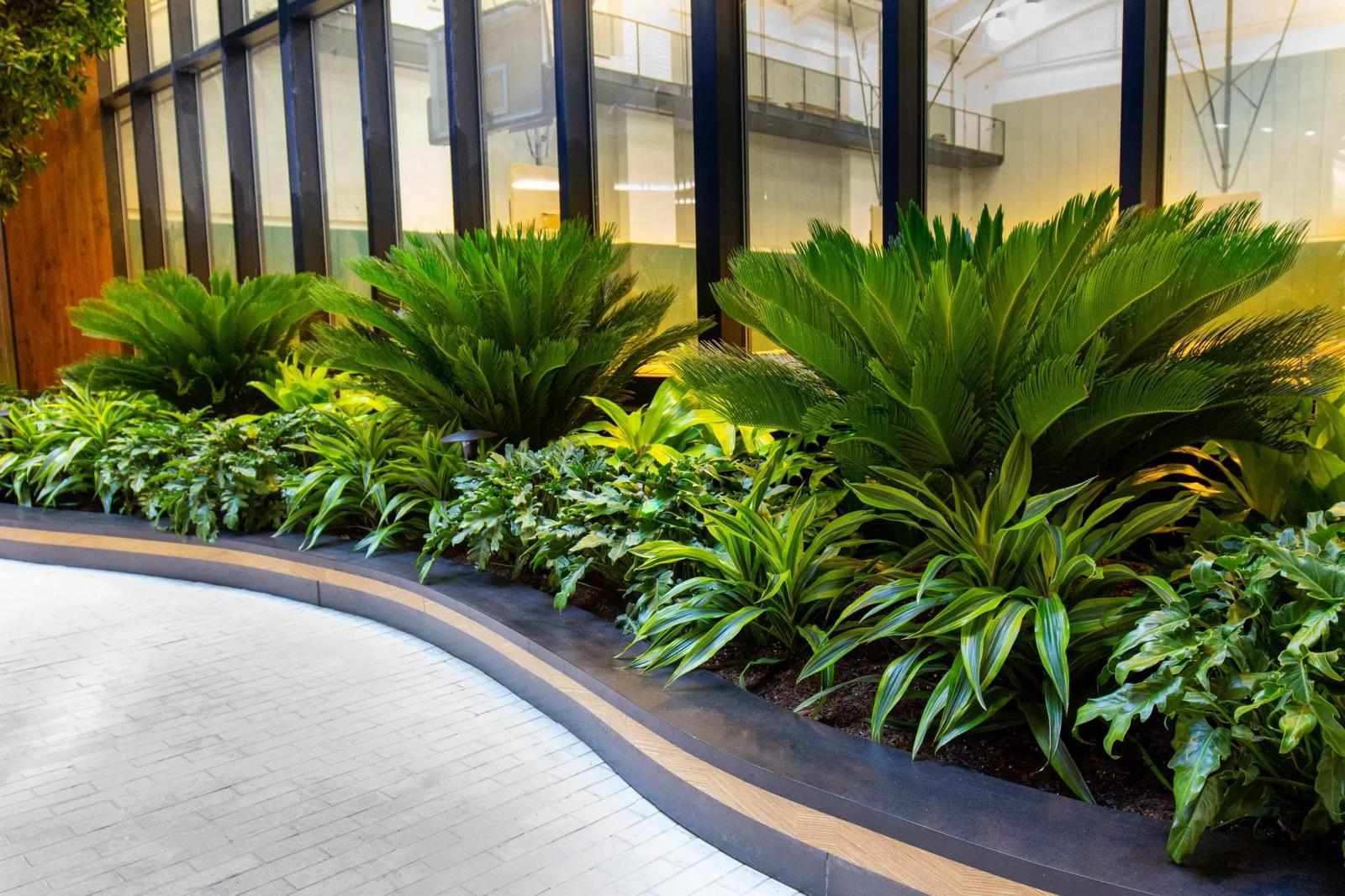
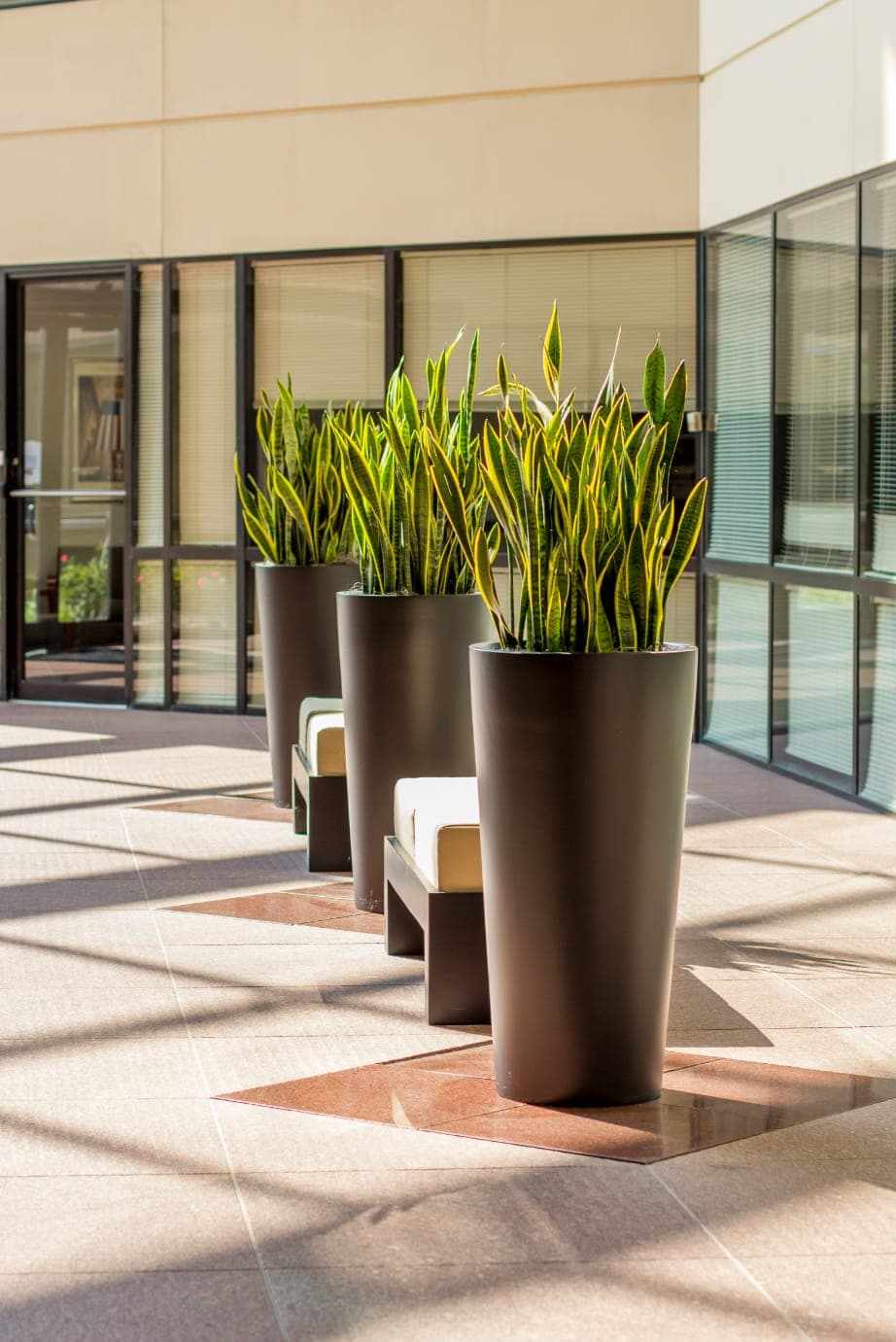
The inclusion of plants and greenery can also improve air quality by filtering out harmful pollutants, creating a healthier environment for everyone in the workspace. By making the workplace more sustainable and eco-conscious, businesses are not only contributing to employee well-being but also doing their part in reducing environmental impact.
Encouraging Connection to the Outdoors
Another key aspect of biophilic design is its emphasis on creating a direct connection between the indoors and the outdoors. Features like large windows, living green walls, and outdoor spaces help bring the natural world inside, allowing employees to connect with nature without leaving the building. This creates a healthier and more dynamic environment, where employees are constantly reminded of the natural world around them.
When employees are able to experience nature through windows or green outdoor spaces, it fosters a sense of harmony and well-being, which has been linked to improved focus and satisfaction at work. Moreover, outdoor spaces provide opportunities for relaxation and social interaction, promoting a healthy work-life balance.
Long-term Cost Benefits of Biophilic Design
Lowering Employee Turnover and Absenteeism
The positive effects of biophilic design on employee well-being and job satisfaction can have long-term financial benefits for businesses. Studies have shown that employees are less likely to experience burnout and stress-related illnesses when they work in biophilic environments. This leads to lower absenteeism rates and less frequent turnover, which can save companies significant amounts of money in terms of recruitment and training.
Additionally, employees who feel connected to their workspace and environment are more likely to stay with the company for longer periods of time. By creating an office that supports mental health and productivity, companies can enhance employee retention and reduce the costs associated with high turnover.
Enhancing the Company’s Reputation
Businesses that embrace biophilic design often see an improvement in their reputation as socially responsible companies. The growing awareness of environmental sustainability has made eco-friendly workplaces a priority for both clients and employees. By creating a space that supports the well-being of employees while prioritizing sustainability, companies are seen as forward-thinking and responsible, which can attract top talent and clients alike.
Conclusion
The incorporation of biophilic design into modern workspaces is more than just a passing trend; it’s an approach that improves employee well-being, productivity, and creativity while benefiting the environment. By embracing nature-inspired elements such as plants, natural light, and eco-friendly materials, companies can create work environments that foster a positive and engaging atmosphere.
The shift towards biophilic design is helping to redefine the modern workspace, making it not only a place of productivity but also a sanctuary for creativity, collaboration, and overall well-being. Companies looking to improve the quality of life for their employees while promoting sustainability should strongly consider integrating biophilic design principles into their office spaces.







Write a comment ...