
Interior design continues to evolve as people seek environments that feel comfortable, inspiring, and connected to nature. One of the most impactful ways to achieve this transformation is through a well planned plantscape. By thoughtfully integrating living greenery into interior settings, a plantscape can reshape the way spaces look, feel, and function.
A plantscape is more than placing a few pots around a room. It is a coordinated design approach that uses plants as structural, decorative, and atmospheric elements. When carefully planned and professionally maintained, a plantscape can redefine interior spaces in ways that support both aesthetics and human wellbeing.
Understanding the Concept of a Plantscape
More Than Simple Decoration
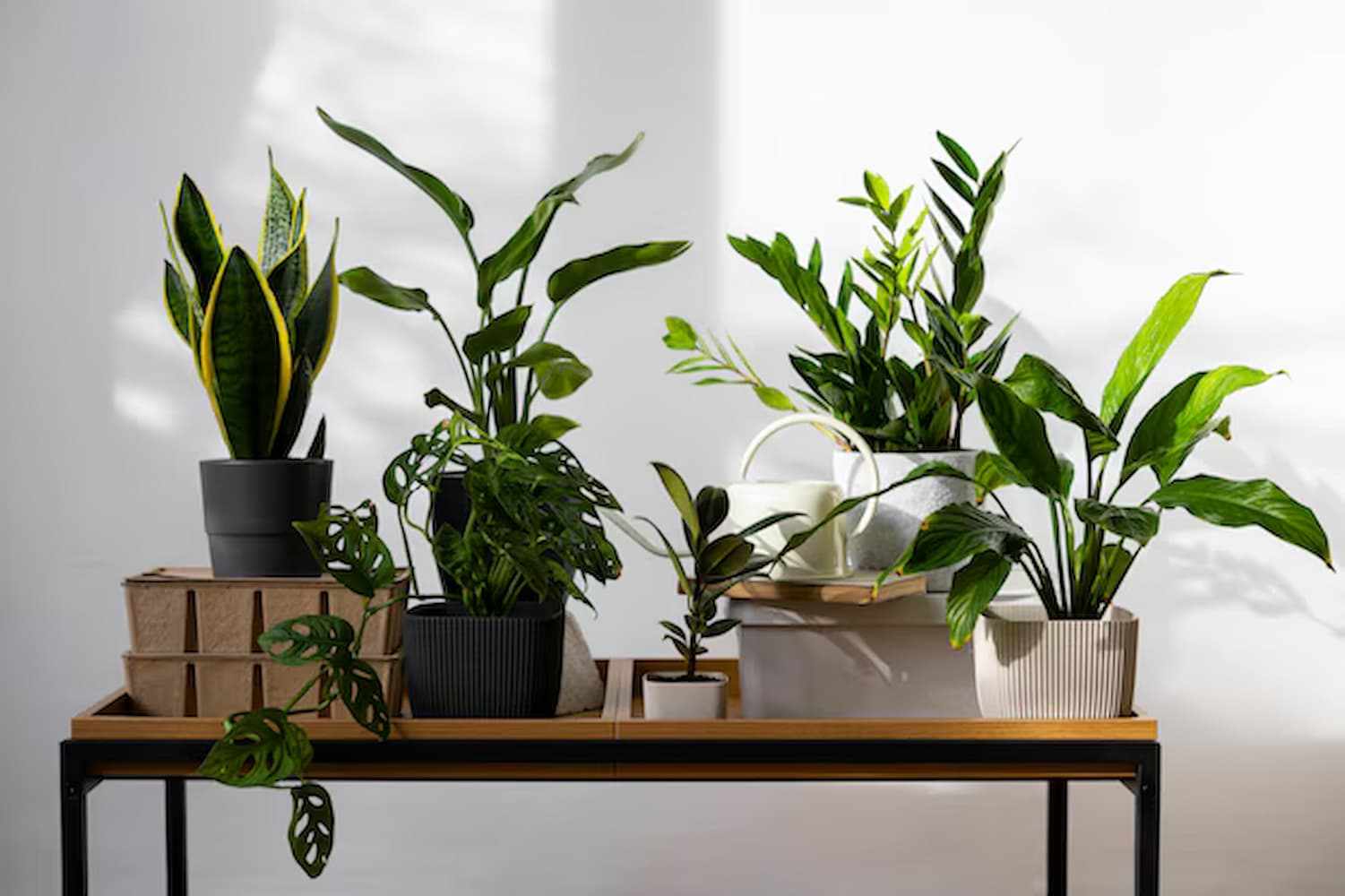
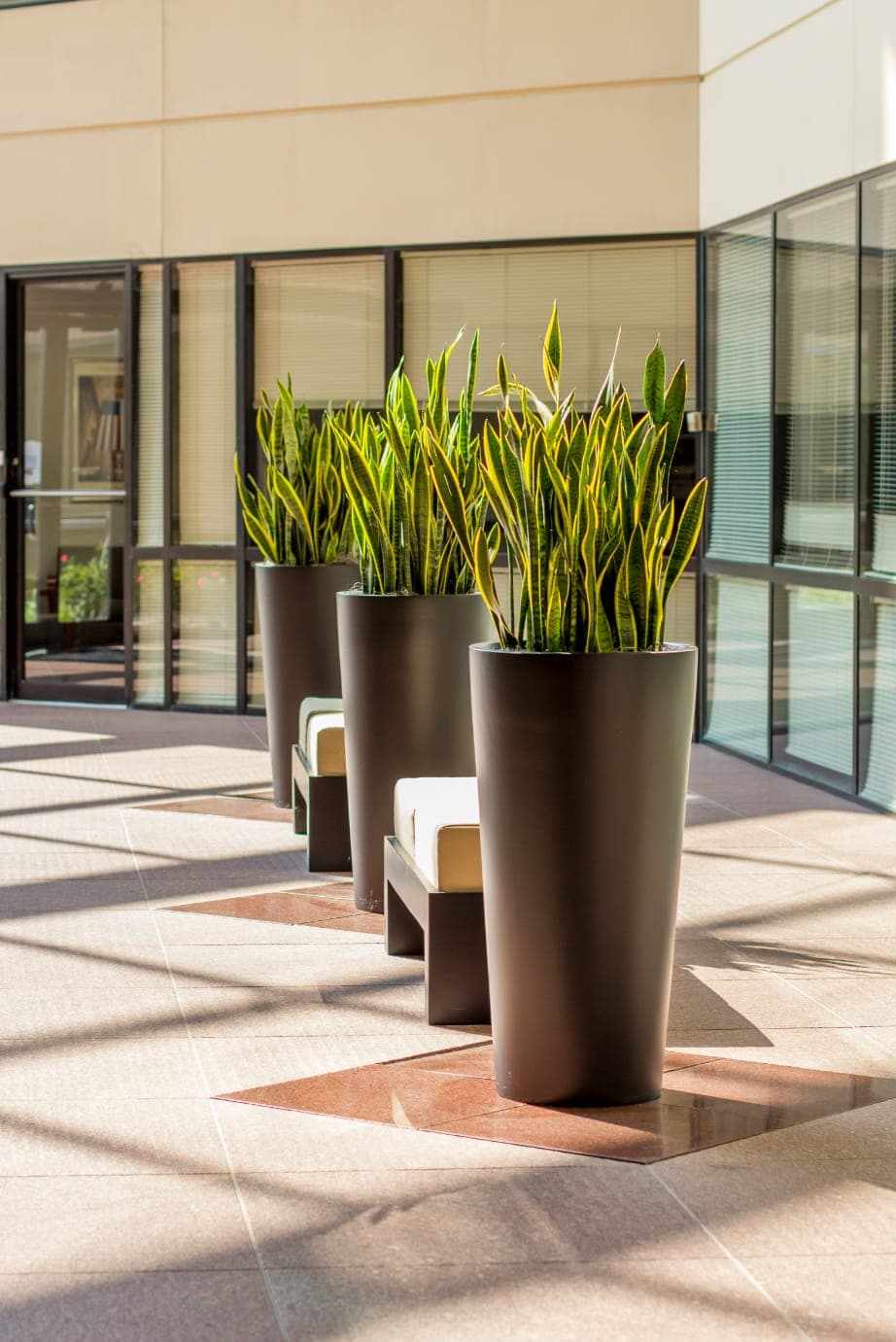
A plantscape goes beyond casual plant placement. It involves strategic selection of plant types, container styles, and positioning to create a cohesive visual experience. Designers consider color, texture, height, and scale to ensure that greenery complements the surrounding architecture and furnishings.
Through this intentional approach, a plantscape becomes part of the overall design language of a space. Plants help guide the eye, soften harsh lines, and introduce natural contrast against built surfaces.
Integrating Nature Into Built Environments
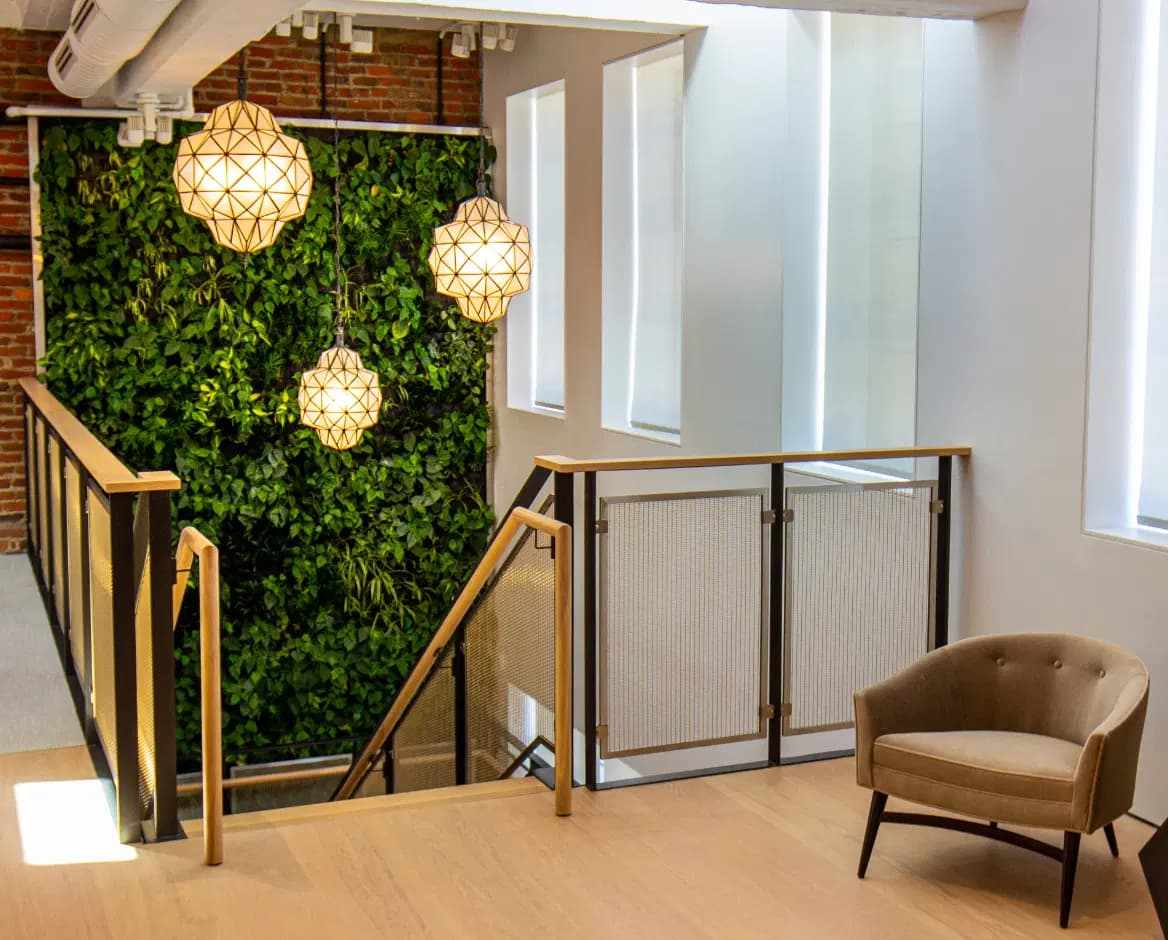
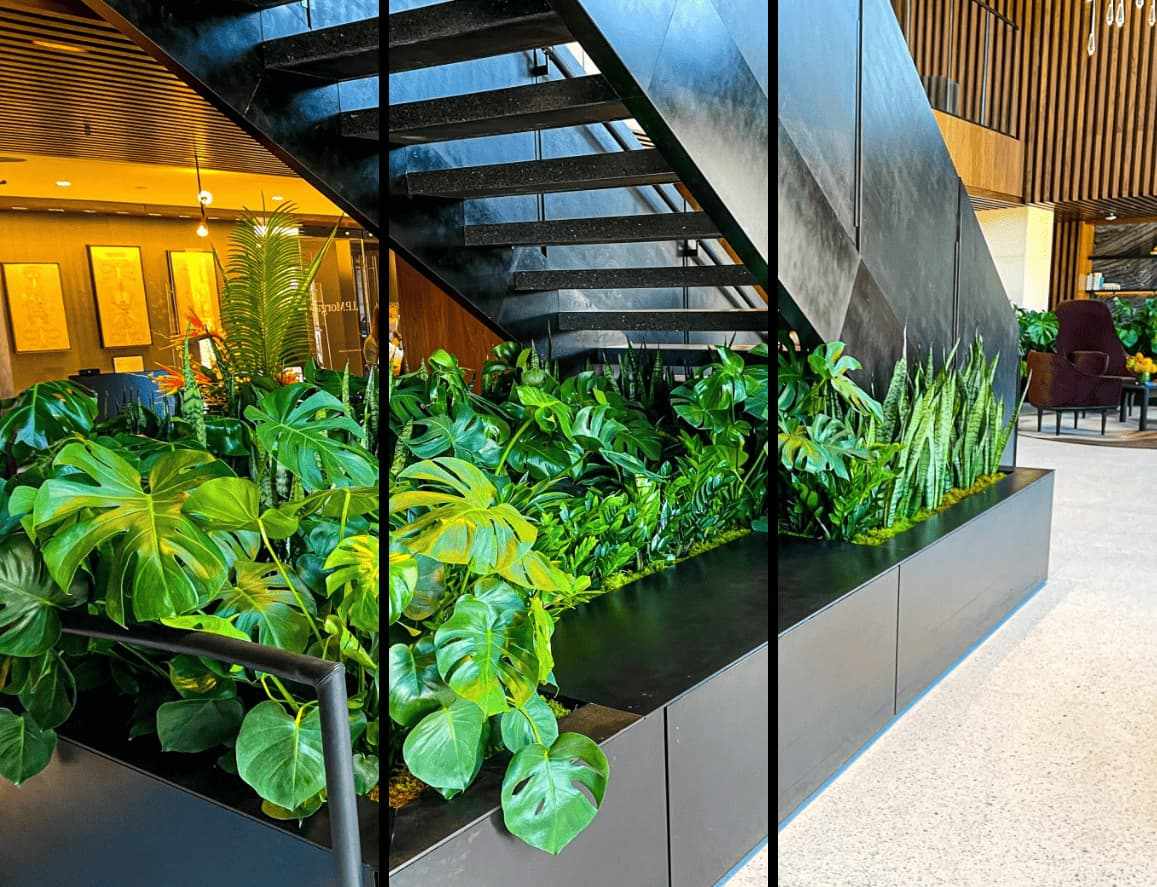
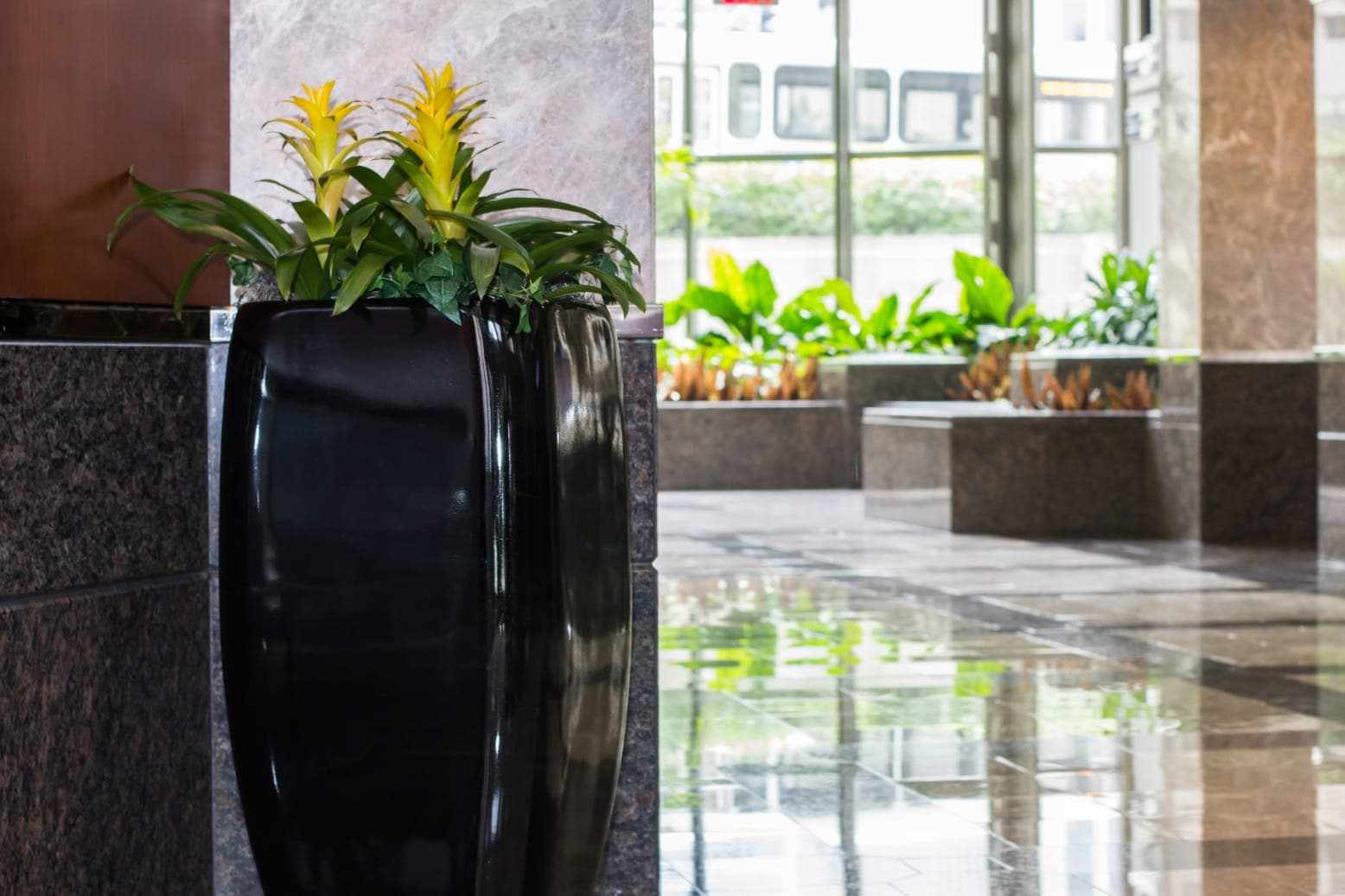
Modern interiors often rely on glass, metal, and synthetic materials. While these elements can be sleek and functional, they may lack warmth. A plantscape introduces organic forms that balance these materials and create a more inviting atmosphere.
By bringing natural elements indoors, a plantscape helps bridge the gap between interior spaces and the outside world. This connection to nature can make environments feel more grounded and comfortable.
Visual Transformation Through a Plantscape
Adding Depth and Dimension
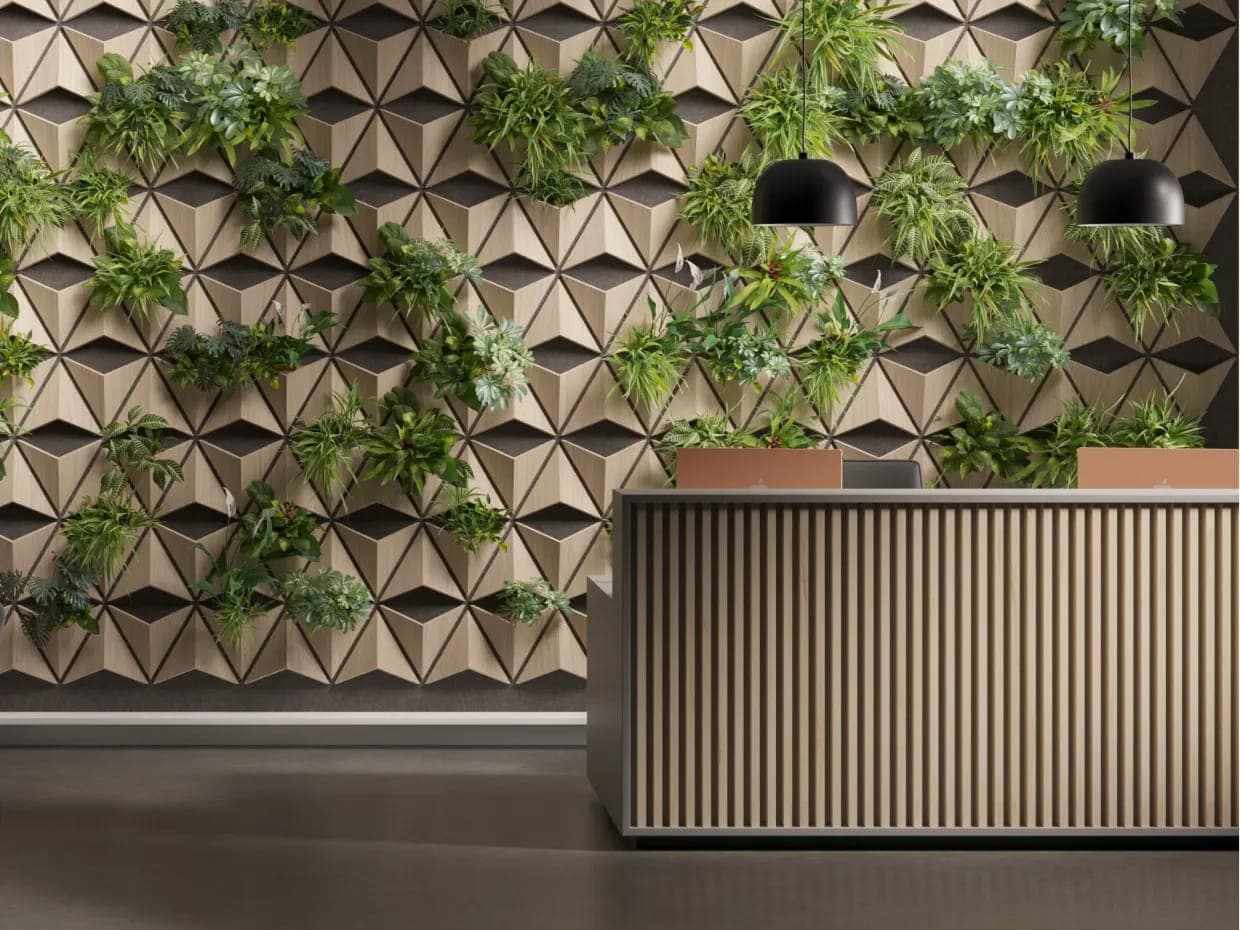
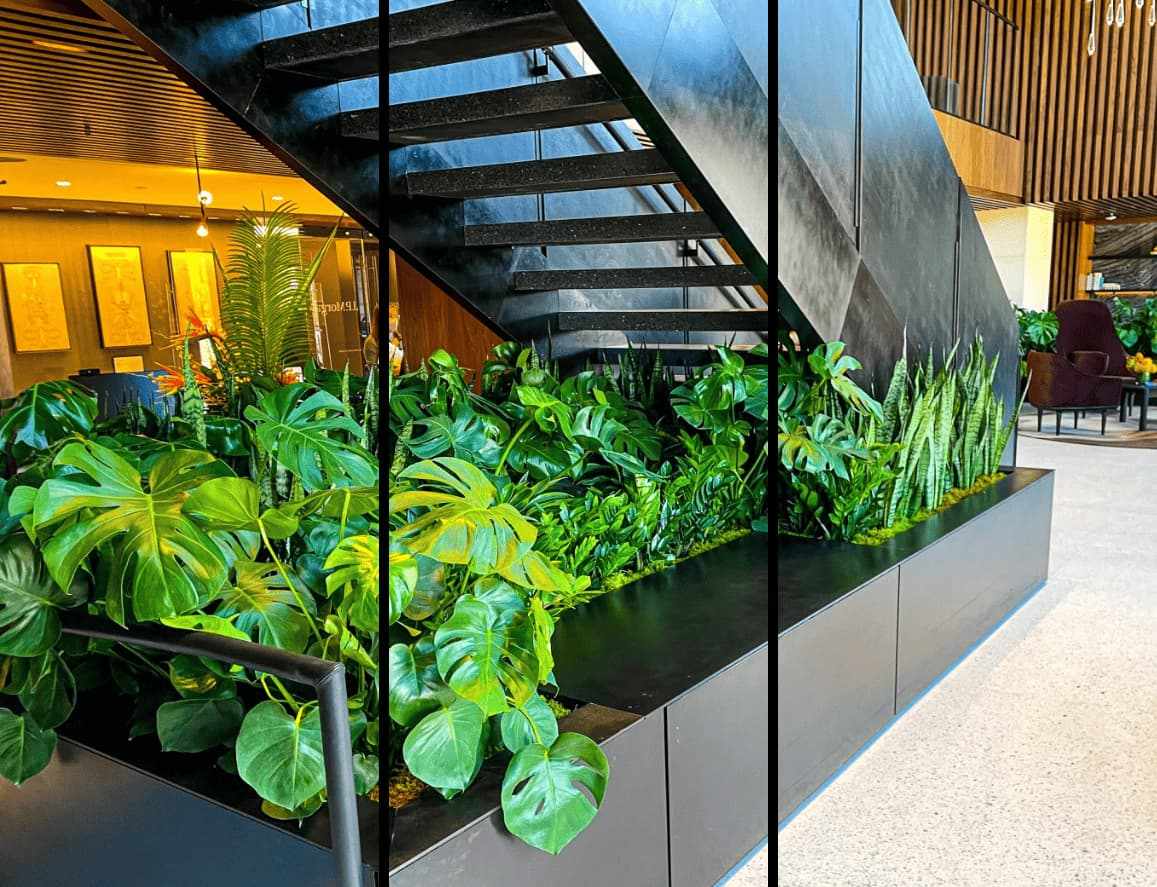
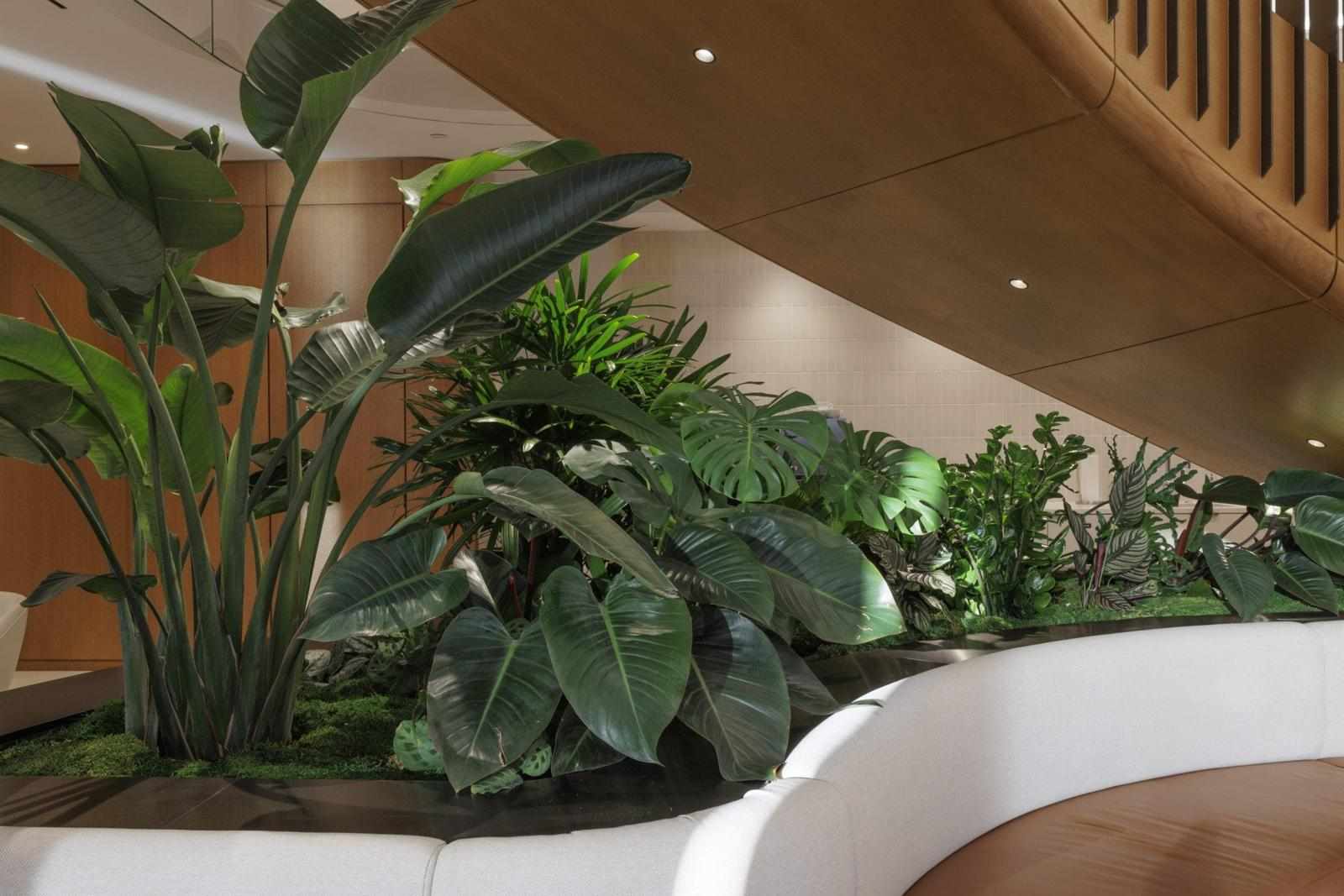
Flat walls and uniform surfaces can make interiors feel static. A plantscape adds layers and dimension through varying plant heights and shapes. Tall floor plants draw the eye upward, while smaller plants fill lower visual zones.
This layering effect creates a sense of depth that enriches the overall design. Spaces feel more dynamic and visually engaging when greenery is thoughtfully arranged.
Creating Focal Points
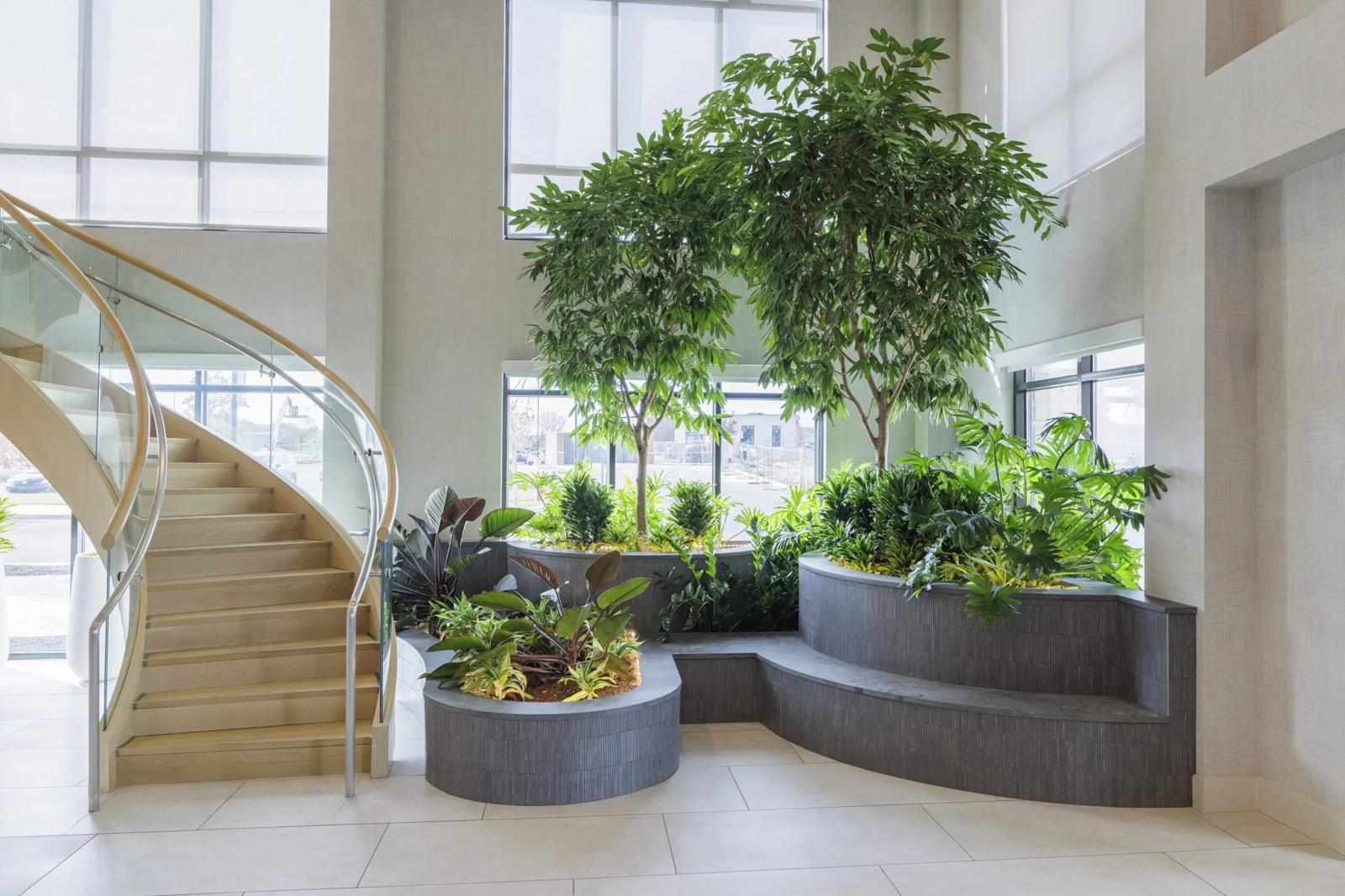
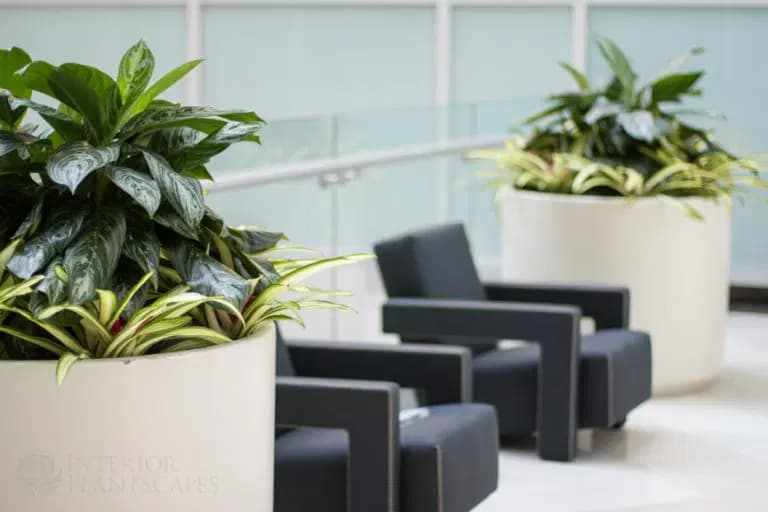
A well designed plantscape can highlight key areas within a room. Large statement plants or grouped arrangements can serve as focal points in lobbies, lounges, or meeting areas. These natural features attract attention and help define important zones.
Focal points created by greenery often feel softer and more welcoming than purely structural elements. They add character without overwhelming the space.
Improving Atmosphere and Comfort
Softening Hard Architectural Lines
Interior architecture often includes sharp angles and rigid forms. A plantscape introduces flowing shapes that soften these lines. Leaves and branches create gentle contours that contrast with straight edges.
This balance between structured and organic forms can make spaces feel less rigid and more comfortable. People may find it easier to relax and focus in environments that include natural curves and textures.
Influencing Mood and Perception
Greenery has a subtle psychological impact. Spaces that include a plantscape often feel calmer and more pleasant. The color green is commonly associated with balance and renewal, which can influence how people perceive their surroundings.
By maintaining healthy and vibrant plants, a plantscape supports a positive emotional response to the environment.
Functional Benefits of a Plantscape
Enhancing Air Quality
Plants contribute to a healthier indoor atmosphere by absorbing certain airborne particles and releasing oxygen. A well maintained plantscape can support fresher air within enclosed spaces.
Although plants alone cannot solve all air quality issues, they play a helpful role when combined with proper ventilation. A plantscape adds a natural component to indoor environmental strategies.
Supporting Acoustic Comfort
Plants can also influence sound within interior spaces. Foliage and soil can help absorb and diffuse sound, reducing echoes in large or open areas. This can make environments feel quieter and more comfortable.
A thoughtfully designed plantscape can be positioned to help manage sound levels, especially in busy offices or public spaces.
A Plantscape as a Design Tool
Defining Spaces Without Walls
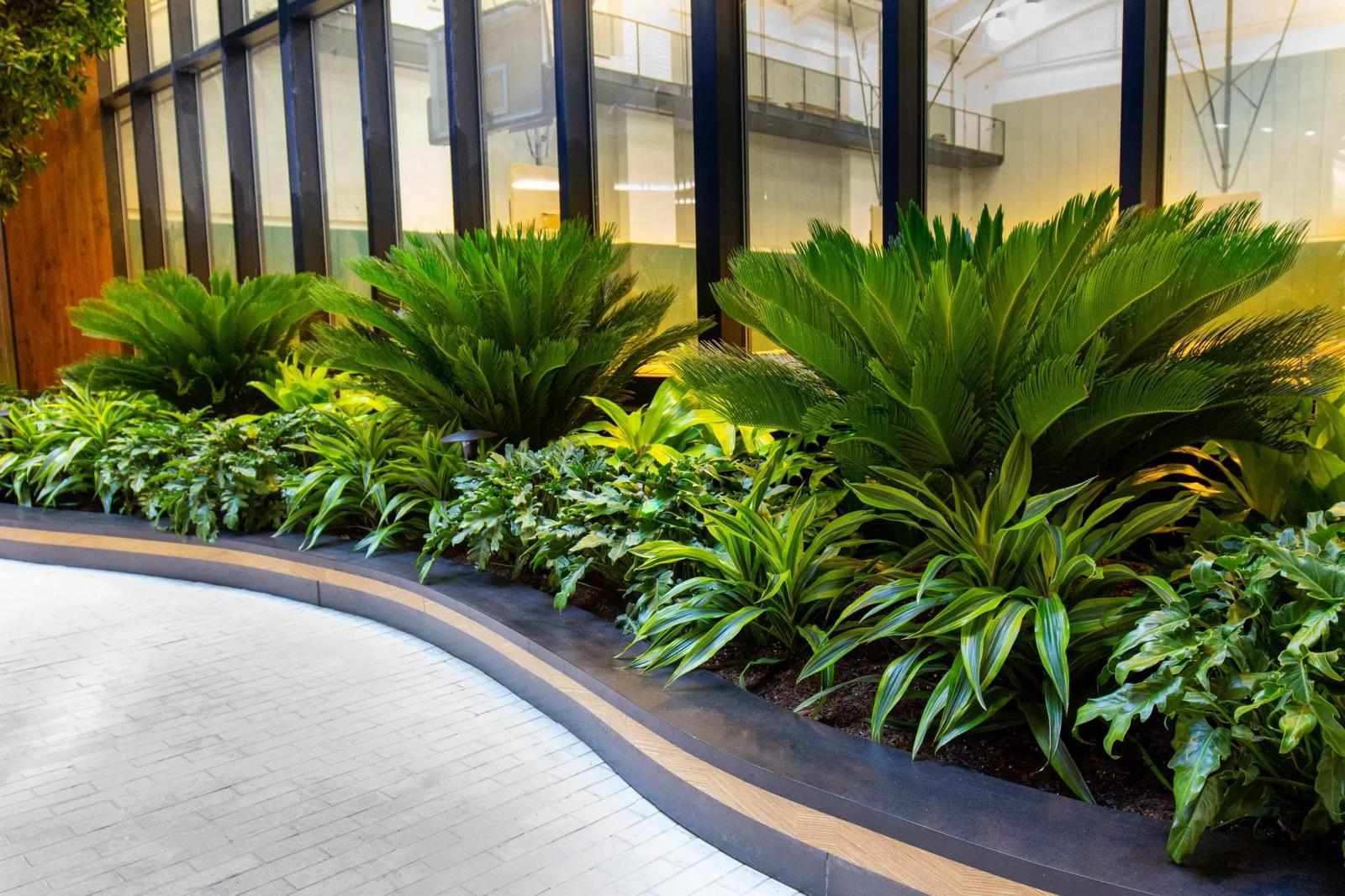
In open plan environments, it can be challenging to create separation between areas. A plantscape can serve as a natural divider. Rows of plants or larger arrangements can subtly mark boundaries without blocking light or movement.
This approach maintains an open feel while providing visual structure. It allows designers to define zones for work, relaxation, or collaboration using living elements.
Complementing Interior Themes
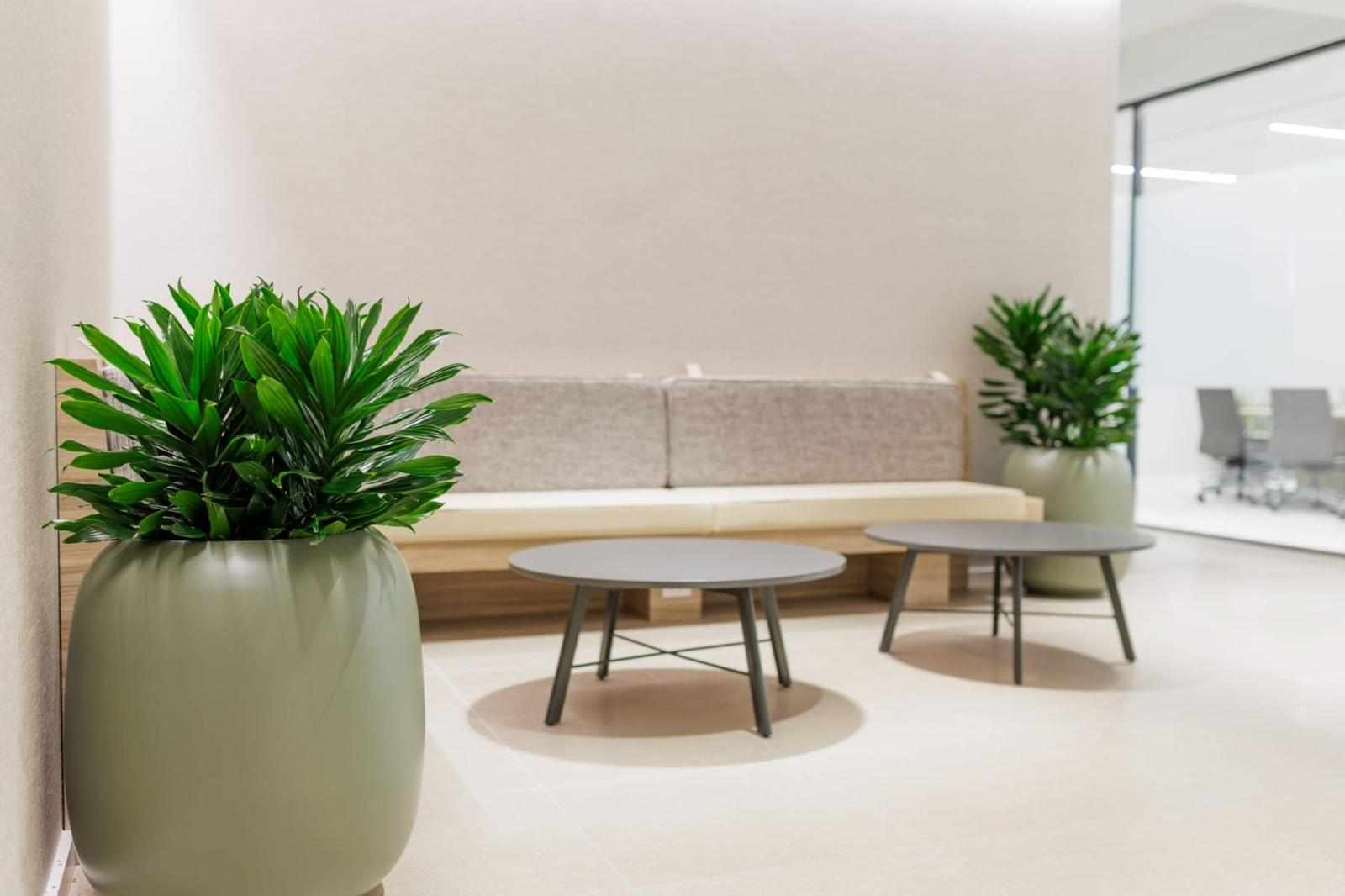
Every interior has a unique style, whether modern, traditional, or minimalist. A plantscape can be tailored to complement these themes. Sleek containers and sculptural plants may suit contemporary spaces, while lush arrangements can enhance more classic interiors.
The versatility of plants allows a plantscape to align with a wide range of design preferences.
Long Term Impact of a Well Maintained Plantscape
Sustaining Visual Appeal
Plants are living elements that change over time. Without proper care, they can lose their vibrancy. Professional maintenance helps ensure that a plantscape continues to look its best.
Regular pruning, cleaning, and monitoring keep plants healthy and attractive. This ongoing attention preserves the original design intent.
Protecting the Investment in Interior Design
A plantscape represents an investment in both aesthetics and wellbeing. Maintaining plant health helps protect that investment. Healthy greenery remains an asset that enhances the space rather than becoming a maintenance issue.
Consistent care ensures that the benefits of a plantscape are enjoyed for years.
Adapting a Plantscape to Different Settings
Workplaces and Offices
In professional environments, a plantscape can improve comfort and focus. Greenery near workstations, meeting rooms, and shared areas supports a balanced atmosphere. Employees may feel more at ease in surroundings that include natural elements.
Thoughtful placement ensures that plants enhance the workspace without interfering with daily tasks.
Hospitality and Public Interiors
Hotels, restaurants, and public buildings use plantscapes to create memorable experiences. Lush greenery can make these spaces feel more inviting and distinctive. Guests often respond positively to interiors that include living design features.
A well planned plantscape contributes to a welcoming environment that encourages visitors to stay longer.
Conclusion
A plantscape has the power to redefine interior spaces by blending natural beauty with functional design. Through careful planning and maintenance, greenery becomes an integral part of the environment rather than an afterthought.
From enhancing visual appeal to improving comfort and atmosphere, a plantscape supports both design goals and human wellbeing. As interest in nature inspired interiors continues to grow, the role of the plantscape in shaping engaging and healthy spaces will remain essential.





Write a comment ...